
Mission to the Sun (2018)
Story overview
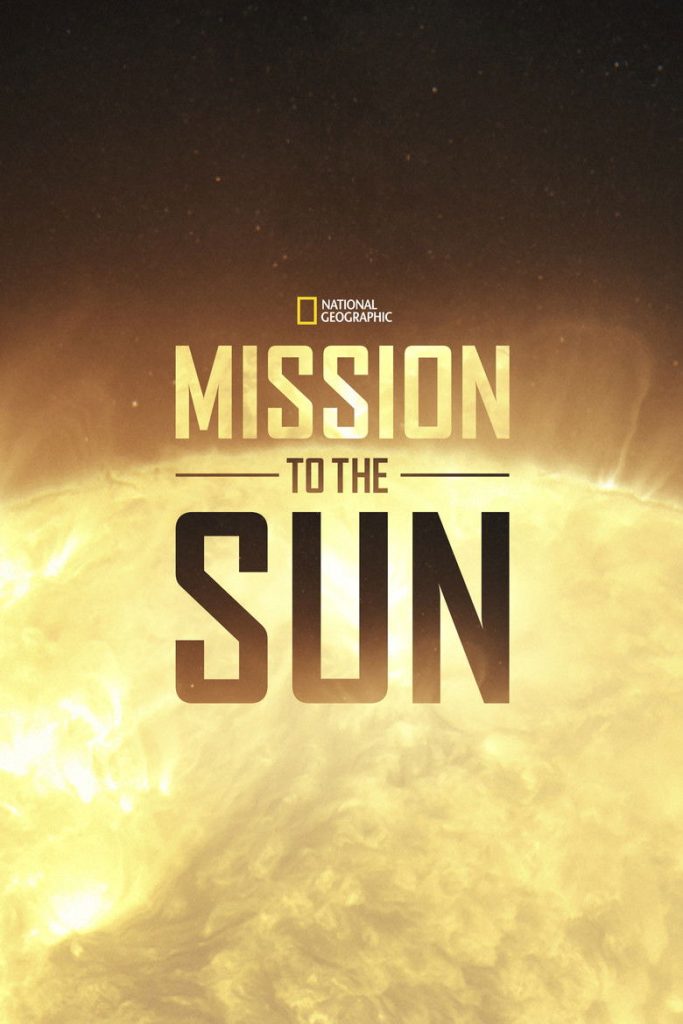
This 2018 documentary follows NASA's Parker Solar Probe mission, launched in August 2018 to study the sun. It explores the spacecraft's design, scientific objectives, and the challenges of approaching our star, featuring insights from scientists and engineers involved in the project.
Parent Guide
A family-friendly educational documentary about space exploration with no concerning content. Suitable for elementary school children and older.
Content breakdown
No violence or peril depicted. The documentary focuses on scientific achievement and engineering.
Nothing scary or disturbing. Includes standard documentary footage of space and scientific visuals.
No inappropriate language. Professional scientific terminology used throughout.
No sexual content or nudity.
No substance use depicted.
Mild excitement during launch sequences. Otherwise calm, educational tone.
Parent tips
This educational documentary is suitable for children interested in space science. It contains no concerning content, but younger viewers might find some technical explanations challenging. Consider watching together to answer questions about space exploration.
Parent chat guide
Parent follow-up questions
- What colors did you see in space?
- Was the spaceship big or small?
- Did you like the sun pictures?
- How hot is the sun?
- Why does the spaceship need a shield?
- What do scientists hope to learn?
- How does the probe collect data?
- What challenges did engineers face?
- How does this mission help us on Earth?
- What technological innovations made this mission possible?
- How does solar research impact climate science?
- What are the future implications of this mission?
🎭 Story Kernel
At its core, 'Mission to the Sun' is less about solar exploration and more about humanity's desperate need for purpose in a post-crisis world. The mission itself is a MacGuffin—what truly drives the characters is their individual attempts to outrun personal failures and societal collapse. Commander Vance's obsession with reaching the sun masks his inability to save his family during Earth's environmental breakdown. Dr. Chen's scientific detachment is a shield against survivor's guilt. The film argues that when terrestrial problems become overwhelming, we project our salvation fantasies onto cosmic endeavors, creating new myths to replace broken ones.
🎬 Visual Aesthetics
The film employs a stark visual dichotomy: Earth scenes are desaturated with handheld, shaky camerawork emphasizing instability, while space sequences transition to smooth, steady shots with a warm amber-and-gold palette mimicking solar radiation. This isn't just aesthetic—it visually argues that clarity and beauty exist only when escaping Earth's chaos. The sun isn't photographed as a destructive force but as a luminous, almost religious icon. Action scenes are deliberately sparse; when the coolant system fails, the tension comes from blinking warning lights and hushed dialogue rather than explosions, making the technological fragility more terrifying than any space battle.
🔍 Details & Easter Eggs
💡 Behind the Scenes
The solar corona effects were created using practical lighting—the crew built a massive array of 2,000 tungsten bulbs behind diffusion screens to authentically illuminate actors' faces during 'sun approach' scenes. Lead actor Michael Kass refused to use a stunt double for the weightless sequences, training for six months with aerial silk techniques. Ironically, the most expensive VFX shot (the full sun visualization) was ultimately reduced to a 30-second glimpse when test audiences found prolonged exposure 'visually overwhelming.'
Where to watch
Choose region:
- Disney Plus
- Fandango At Home