
Modern Times (1936)
Story overview
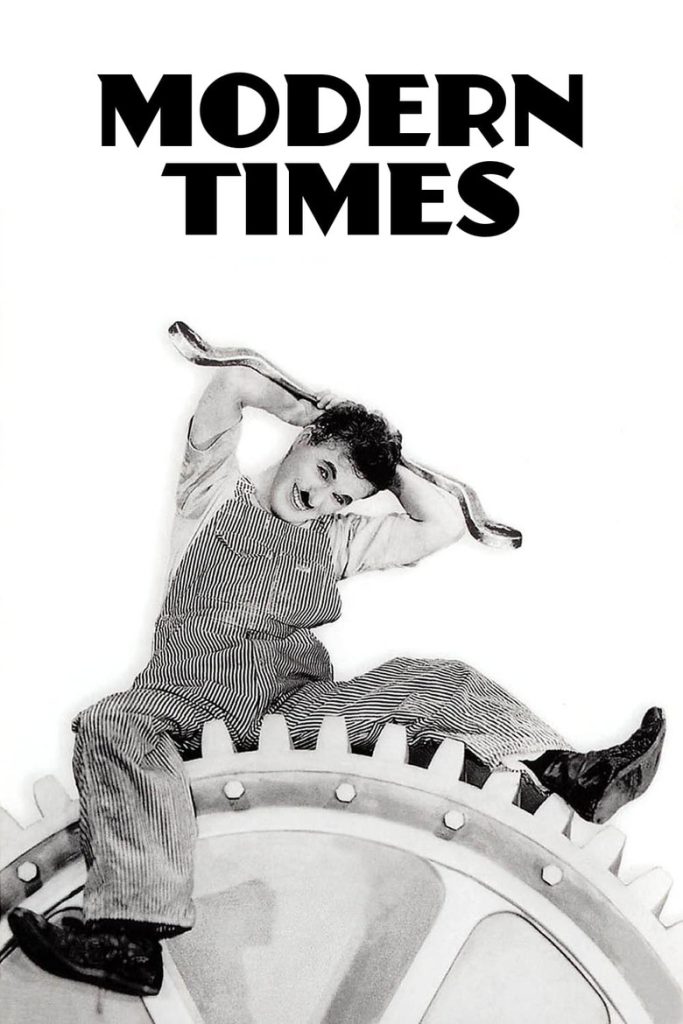
Modern Times is a classic silent film comedy that follows the misadventures of a factory worker struggling to adapt to the rapid industrialization of the 1930s. Through physical comedy and visual gags, the film explores themes of poverty, perseverance, and the human spirit in the face of modern challenges. The story centers on the worker's attempts to build a better life with a young woman he meets, highlighting their resilience despite constant setbacks.
Parent Guide
A classic silent comedy with mild physical humor and themes of perseverance during economic hardship.
Content breakdown
Slapstick comedy with characters getting caught in machinery, falling, or being chased in non-threatening ways. No actual violence between characters.
Some scenes show characters in mildly perilous situations with machinery, but all are resolved comically. Brief depiction of poverty and hunger.
Silent film with occasional intertitles containing no objectionable language.
No sexual content or nudity. Characters are modestly dressed throughout.
No depiction of alcohol, tobacco, or drug use.
Mild emotional moments related to poverty and struggle, balanced with frequent comedic relief. Characters maintain hopeful outlook despite challenges.
Parent tips
This film is generally appropriate for most audiences with its G rating, but parents should be aware that it portrays economic hardship and some mild peril situations. The silent film format with intertitles may require reading assistance for younger viewers, and the physical comedy involving machinery could be misinterpreted by very young children. The film's themes of poverty and unemployment are handled with humor but may prompt questions about historical economic conditions.
Parent chat guide
Parent follow-up questions
- What was your favorite funny part in the movie?
- How did the characters show they were happy or sad without talking?
- What machines did you see in the factory?
- Why do you think the main character kept having problems at work?
- How did the characters help each other when things were difficult?
- What did you notice about how people dressed and lived in this old movie?
- What message do you think the film was trying to give about machines and factories?
- How did the film use comedy to talk about serious problems like not having enough money?
- What differences did you notice between life in the 1930s and life today?
- How does the film comment on the relationship between workers and technology?
- What social issues from the Great Depression era does the film address through comedy?
- How effective is silent film as a medium for discussing economic and social themes?
🎭 Story Kernel
At its core, 'Modern Times' isn't just about unemployment or poverty - it's about the systematic dehumanization of the individual in industrialized society. The Tramp isn't driven by ambition or love, but by the desperate need to maintain basic dignity when every system (factory, prison, department store) reduces him to a cog. His relationship with the Gamin isn't romantic pursuit, but mutual survival - two discarded humans clinging together against a world that has no use for them. The factory owner doesn't appear as a villain, but as a disembodied voice and image on screens, making the oppression feel systemic rather than personal.
🎬 Visual Aesthetics
Chaplin masterfully uses visual contrast to emphasize his themes. The factory scenes are shot with rigid, geometric compositions - straight lines, repetitive motions, and claustrophobic framing that mirror the mechanical oppression. Outside, the camera finds more organic, chaotic movements. Watch how the famous feeding machine sequence uses tight close-ups of the Tramp's panicked face against the cold metal apparatus, creating visceral tension. The color palette (in later tinted versions) often uses cold blues for industrial scenes versus warmer tones for human moments. Even the slapstick isn't just comedy - the chaotic physicality becomes visual rebellion against ordered systems.
🔍 Details & Easter Eggs
💡 Behind the Scenes
This was Chaplin's last silent film, released nearly a decade after talkies became standard - a deliberate artistic statement. The famous feeding machine was based on actual 'efficiency devices' being marketed to factories. Chaplin spent months developing the nonsense song at the end, wanting to comment on talkies without fully embracing dialogue. The factory machinery scenes were filmed with real (and dangerous) industrial equipment - Chaplin insisted on authenticity despite safety concerns. The Gamin was played by Paulette Goddard, who became Chaplin's wife during production.
Where to watch
Choose region:
- Amazon Prime Video
- HBO Max
- HBO Max Amazon Channel
- YouTube TV
- Criterion Channel
- TCM
- Amazon Prime Video with Ads
- Amazon Video
- Apple TV
- Fandango At Home
- Amazon Prime Video Free with Ads
- Mometu
- Kanopy
Trailer
Trailer playback is unavailable in your region.