
Monkey Kingdom (2015)
Story overview
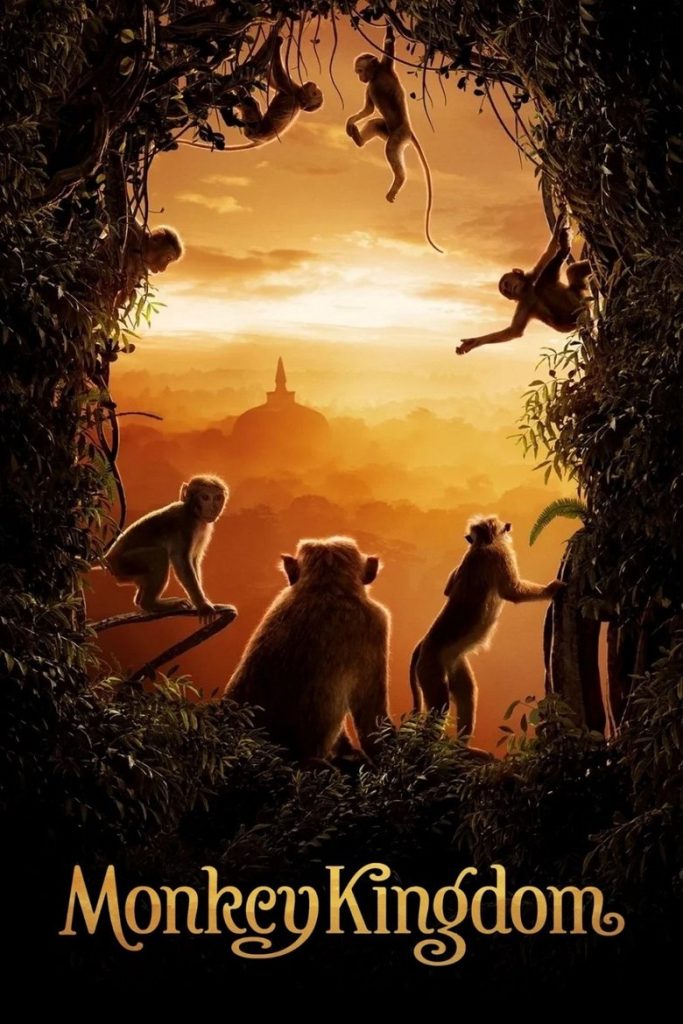
Monkey Kingdom is a 2015 nature documentary narrated by Tina Fey that follows Maya, a low-ranking female toque macaque, and her newborn son Kip as they navigate the complex social hierarchy of their troop in the ancient ruins of Sri Lanka's jungles. The film depicts their daily struggles for food, shelter, and social standing within the competitive group dynamics, showcasing both the challenges and triumphs of survival in the wild.
Parent Guide
Family-friendly nature documentary with educational value and mild natural peril. Suitable for most ages with parental guidance for very young children during intense moments.
Content breakdown
Natural animal behavior includes brief chasing, posturing, and mild conflicts over food/resources. No graphic violence, but predators are mentioned and there are scenes of monkeys in peril from environmental challenges.
Some scenes might be tense for very young children: monkeys face natural threats, struggle for survival during monsoon season, and experience social rejection. The tone is educational rather than frightening.
No inappropriate language. Narration by Tina Fey is family-friendly and educational.
Natural animal behavior without sexual content. Monkeys are shown naturally without human standards of modesty.
No substance use depicted.
Emotional moments include mother-child bonding, social exclusion, and survival challenges. The documentary has uplifting moments of triumph and community support.
Parent tips
This G-rated DisneyNature documentary is generally appropriate for all ages, but younger children might need reassurance during scenes of natural peril. The film presents realistic animal behavior including mild conflicts over resources and social status. Consider discussing themes of family bonds, perseverance, and social dynamics with children. The 81-minute runtime is manageable for most children, though very young viewers might need breaks.
Parent chat guide
Parent follow-up questions
- Which monkey was your favorite?
- What sounds did the monkeys make?
- Did you see the baby monkey?
- What colors did you see in the jungle?
- Why do you think the monkeys live in groups?
- How did Maya protect her baby?
- What was hardest for the monkeys to find?
- What did you learn about monkey families?
- How does the troop's social hierarchy work?
- What survival strategies did the monkeys use?
- How did the environment affect their daily lives?
- What similarities do you see between monkey and human social behavior?
- What does this documentary reveal about evolutionary adaptations?
- How does the film use narrative techniques to engage viewers?
- What ethical considerations arise from documenting wild animals?
- How does the social structure reflect broader ecological principles?
🎭 Story Kernel
The film is less about monkeys and more about a rigid social caste system. Maya, a low-ranking macaque, drives the narrative not through rebellion but through desperate adaptation within the confines of her society. The core theme is the brutal reality of inherited status. Her struggle for survival and her son Kip's future is a raw examination of how social mobility is often an illusion, replaced by the sheer, grinding will to endure. The 'kingdom' is a prison of tradition, and the plot's tension comes from watching characters navigate its unyielding rules, where a better life isn't about overthrowing the queen but finding scraps in her shadow.
🎬 Visual Aesthetics
The cinematography employs an intimate, ground-level perspective, often shooting from within the troop to emphasize claustrophobia and social pressure. The color palette shifts with Maya's fortune: lush, saturated greens and golds in the bountiful castle rock, contrasted with the washed-out, harsh greys of the urban scavenging grounds. Action is framed not as grand adventure but as tense, quiet moments of theft or confrontation, using tight close-ups on eyes and hands to communicate fear and calculation. The recurring visual of the ancient castle ruin serves as a potent symbol of both enduring structure and inevitable decay.
🔍 Details & Easter Eggs
💡 Behind the Scenes
Filmed over three years in the ancient ruins of Polonnaruwa, Sri Lanka, the crew used remote-controlled cameras and disguised camera hides to capture natural behavior. The narration by Tina Fey was a late addition, with the script being rewritten to match her more comedic, relatable delivery, a deliberate choice to soften the film's stark social commentary for a family audience. The 'monkey actors' were wild troops habituated to the crew's presence, with no animals trained or coerced for specific shots.
Where to watch
Choose region:
- Disney Plus
- Amazon Video
- Apple TV Store
- Google Play Movies
- YouTube
- Fandango At Home
Trailer
Trailer playback is unavailable in your region.