
Moonlight (2016)
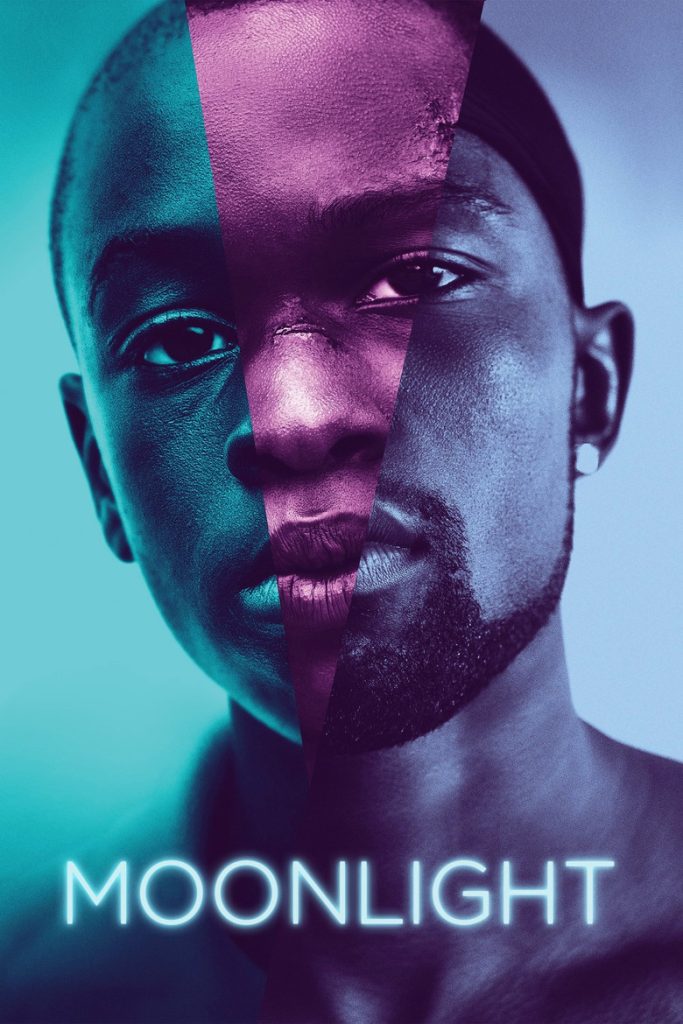
Story overview
Moonlight is a 2016 drama film that follows the life of a young Black man named Chiron as he grows up in a rough Miami neighborhood. The story is told in three chapters, exploring his childhood, adolescence, and early adulthood as he grapples with his identity, sexuality, and relationships. It's a poignant character study that examines themes of masculinity, vulnerability, and self-discovery against a backdrop of poverty and social challenges.
Parent Guide
A mature drama exploring identity, sexuality, and masculinity with emotional depth and some challenging content.
Content breakdown
Some physical altercations, bullying scenes, and tense confrontations. No graphic violence shown.
Emotionally intense scenes dealing with bullying, rejection, and identity struggles. Some scenes may be psychologically challenging.
Strong language including profanity throughout the film. Consistent with the realistic dialogue of the setting.
Sexual themes and references, including discussions of sexuality and identity. Some intimate scenes without graphic nudity.
Depiction of drug use and drug dealing as part of the environment. Shows substance abuse affecting characters' lives.
High emotional intensity throughout as the protagonist grapples with identity, relationships, and self-acceptance.
Parent tips
Moonlight is rated R primarily for mature thematic content, language, and some sexual references. The film deals with complex emotional themes including bullying, drug use, and sexual identity that may be difficult for younger viewers to process. Parents should be prepared to discuss issues of poverty, masculinity, and self-acceptance with older teens who watch this film.
Parent chat guide
Parent follow-up questions
- Did you see any friends in the movie?
- What colors did you notice in the movie?
- How did the music make you feel?
- What did you think about how the characters treated each other?
- What makes someone a good friend in this story?
- How do you think the main character felt when people were mean to him?
- Why do you think the main character had trouble expressing his feelings?
- How did the neighborhood where he lived affect his life?
- What does it mean to be 'tough' versus being yourself?
- How does the film explore the relationship between environment and identity?
- What commentary does the film make about traditional masculinity?
- How do the three chapters show character development over time?
🎭 Story Kernel
Moonlight explores the brutal negotiation between self-discovery and societal expectations through Chiron's three-act life. The film's core tension lies in the collision between prescribed masculinity—embodied by Juan's drug-dealer swagger and Terrel's bullying—and Chiron's innate sensitivity. Each chapter ('Little', 'Chiron', 'Black') represents not just aging but different survival strategies: from seeking protection in childhood, to violent self-erasure in adolescence, to constructing an armored identity in adulthood. The driving force isn't plot progression but emotional archaeology—excavating moments where Chiron could be his true self versus when he had to perform masculinity to survive. The beach scene with Kevin becomes the emotional North Star that haunts all three chapters, suggesting authentic connection is possible but constantly threatened by a world demanding conformity.
🎬 Visual Aesthetics
Director Barry Jenkins and cinematographer James Laxton create a tactile visual language that feels like memory itself. The camera often floats in intimate close-ups, making Miami's Liberty City feel both expansive and claustrophobic. The color palette evolves with Chiron: childhood scenes use aqua blues and warm golds (the ocean, Juan's car), adolescence shifts to harsh fluorescent greens (school corridors), adulthood adopts cool, artificial teals (Black's car, nightclub). Water becomes a recurring visual motif—not as cleansing but as a medium for transformation and vulnerability. The three-act structure is visually reinforced through aspect ratio changes and distinct shooting styles for each chapter, making the film feel like three short films in conversation.
🔍 Details & Easter Eggs
💡 Behind the Scenes
Trevante Rhodes (adult Chiron) and Ashton Sanders (teen Chiron) never met during filming to preserve their chapters' emotional separation. Mahershala Ali learned his role as Juan would be limited to the first act after accepting the part. The iconic beach scene was shot in one take during magic hour, with Jenkins whispering directions to the actors from just off-camera. The film's structure was inspired by the play 'In Moonlight Black Boys Look Blue' by Tarell Alvin McCraney, who co-wrote the screenplay based on his own Miami childhood. All three Chirons are left-handed, a subtle physical continuity the directors noticed only during editing.
Where to watch
Choose region:
- HBO Max
- Fandango at Home Free
- Amazon Video
- Apple TV
- Google Play Movies
- YouTube
- Fandango At Home
- Spectrum On Demand
Trailer
Trailer playback is unavailable in your region.