
Most Wanted Sharks (2020)
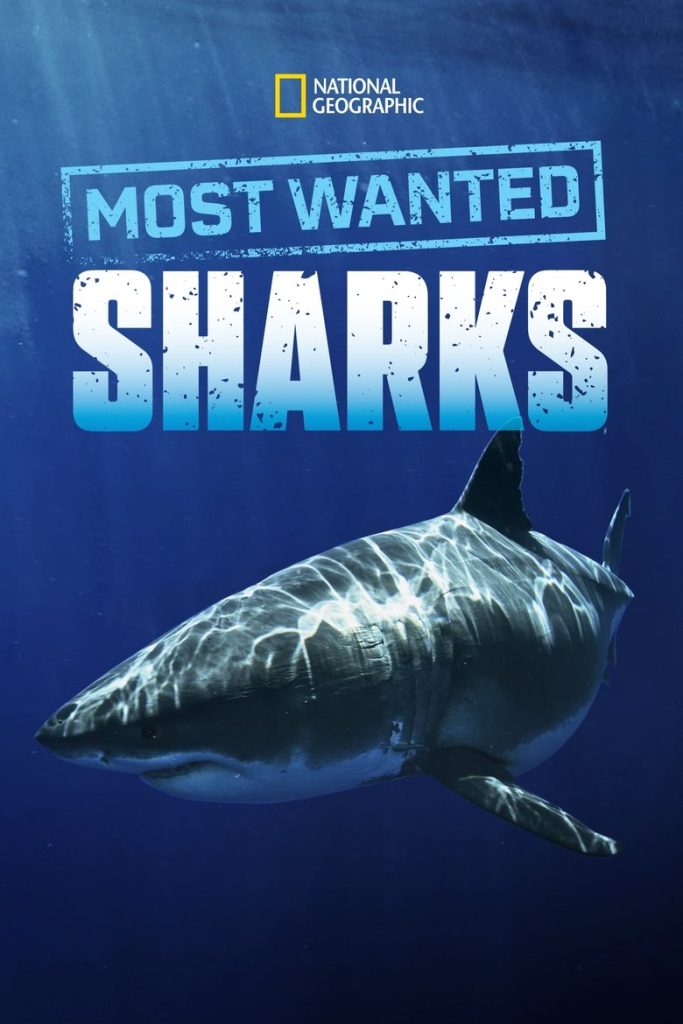
Story overview
This 2020 documentary TV movie explores the world's most famous sharks, featuring stories about record-breaking great whites, frequently photographed tiger sharks, and sharks known for spectacular aerial leaps. It presents factual information about these marine predators in an educational format typical of nature documentaries.
Parent Guide
Educational documentary suitable for most children with interest in marine life. Contains typical predator-prey footage but no graphic violence.
Content breakdown
Sharks shown hunting fish in natural behaviors; no graphic attacks on humans or excessive gore.
Close-up shots of sharks with teeth visible might unsettle very young children; predator footage could be intense for sensitive viewers.
No inappropriate language; educational narration only.
No sexual content or nudity.
No substance use depicted.
Moderate excitement during hunting sequences; otherwise educational tone.
Parent tips
This documentary focuses on shark facts and behaviors without graphic violence. Consider previewing if your child is particularly sensitive to predator animals. The educational content makes it suitable for family viewing with elementary-aged children and up.
Parent chat guide
Parent follow-up questions
- What colors did you see in the ocean?
- Did the sharks look friendly or scary?
- What was your favorite sea animal?
- What makes each shark special in the documentary?
- How do sharks help the ocean?
- Would you want to see a shark in real life?
- What adaptations help sharks survive?
- How do documentaries balance education and entertainment?
- Why might some people fear sharks unnecessarily?
- How does this documentary contribute to shark conservation awareness?
- What ethical considerations exist in filming wildlife documentaries?
- How accurate do you think the portrayal of shark behavior is?
🎭 Story Kernel
The film is less about the sharks themselves and more about humanity's primal, media-driven obsession with categorizing and fearing apex predators. The narrative engine isn't scientific inquiry but the construction of a 'most wanted' list, framing these animals as aquatic criminals. This drives the host's journey, which feels like a bounty hunt rather than exploration. The real theme is our compulsion to project narratives of villainy onto nature, simplifying complex ecosystems into a digestible, fear-based spectacle. The characters are driven by the need to validate this manufactured drama, searching for evidence to fit a pre-written script of danger.
🎬 Visual Aesthetics
The cinematography relies heavily on aggressive, quick-cut editing and dramatic, low-angle shots to artificially inject tension. Stock underwater footage is intercut with grainy, 'caught-on-tape' style clips to suggest imminent threat. The color palette is dominated by murky blues and grays, emphasizing a sense of ominous, unseen danger rather than the vibrant reality of ocean life. Action sequences, often recreated or using archival news footage, are presented with a true-crime aesthetic, complete with digital 'mugshots' of shark species. This visual language prioritizes sensationalism over clarity, using the camera as a tool for indictment rather than observation.
🔍 Details & Easter Eggs
💡 Behind the Scenes
Much of the 'original' footage was sourced from various stock libraries and older documentary projects, with new narration and interviews layered on top. The host, while presented as an intrepid investigator, is primarily a television personality known for other adventure-based reality shows, not a marine biologist. Several segments were filmed at a commercial shark diving location, where sharks are attracted using chum, creating the 'action' scenes. The film's title and marketing were directly inspired by true-crime television formats, aiming to capitalize on that genre's popularity rather than educational documentary traditions.
Where to watch
Choose region:
- Disney Plus
- fuboTV