
Mountain Queen: The Summits of Lhakpa Sherpa (2024)
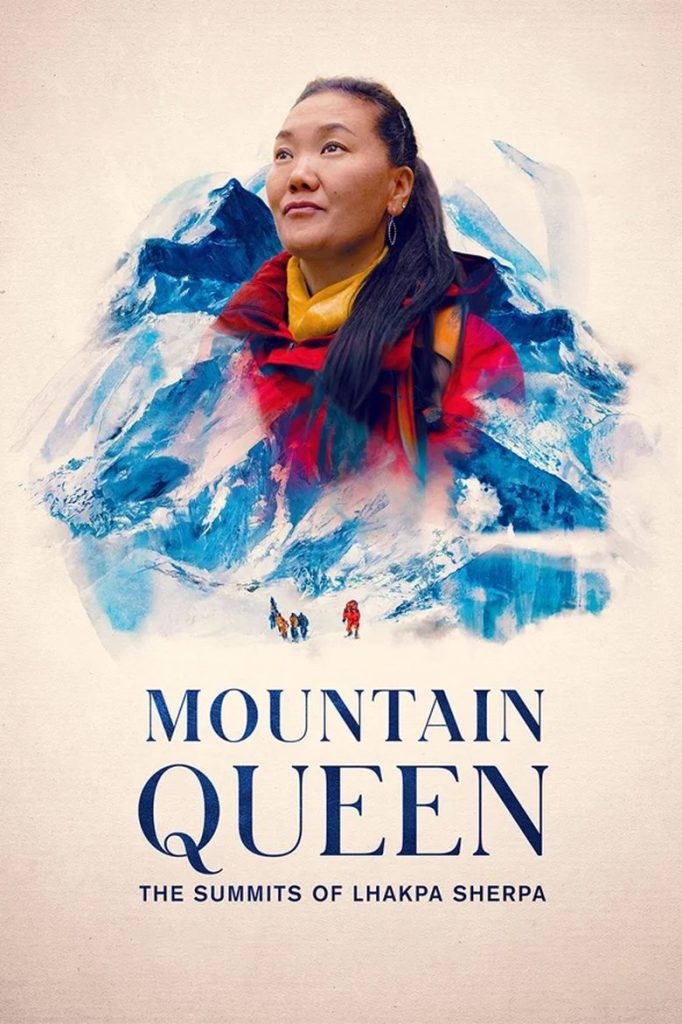
Story overview
This documentary follows Lhakpa Sherpa, a Nepali mountaineer, as she attempts a record-breaking climb of Mount Everest. The film explores her motivations, including her desire to secure a better future for her daughters, and depicts the physical and emotional challenges of high-altitude mountaineering.
Parent Guide
A documentary about extreme mountaineering with themes of maternal sacrifice and cultural identity. Contains intense peril scenes and emotional content.
Content breakdown
Contains scenes of dangerous mountain climbing with visible peril, including ice falls, avalanches, and oxygen deprivation. No graphic violence or injuries shown.
Some tense moments during climbing sequences and discussions of life-threatening situations. No jump scares or horror elements.
No offensive language noted in the documentary context.
No sexual content or nudity.
No depiction of substance use.
Strong emotional themes about family separation, maternal sacrifice, and cultural identity. Some scenes may be emotionally affecting.
Parent tips
This documentary contains intense scenes of mountain climbing peril and emotional themes about family sacrifice. Consider watching with children to discuss perseverance and cultural perspectives.
Parent chat guide
Parent follow-up questions
- What was your favorite part of the movie?
- What do you think it feels like to climb a big mountain?
- Why do you think Lhakpa wants to climb Mount Everest?
- How do you think her daughters feel about her climbing?
- What sacrifices does Lhakpa make for her family?
- How does the documentary show the dangers of mountain climbing?
- What does this film reveal about gender roles in different cultures?
- How does the documentary balance the thrill of achievement with the reality of risk?
🎭 Story Kernel
The film transcends the typical mountaineering documentary by framing Lhakpa Sherpa’s record-breaking ten ascents of Mount Everest not as mere athletic feats, but as profound acts of survival and reclamation. It explores the jarring contrast between her status as a legendary 'Mountain Queen' in the Himalayas and her invisible life as a single mother working at a Whole Foods in Connecticut. The narrative delves into the systemic erasure of Sherpa contributions in high-altitude climbing and the personal trauma of an abusive marriage to a fellow climber. Ultimately, the story is about the search for agency; for Lhakpa, the 'Death Zone' of Everest offers more clarity and safety than the domestic life she endured. It is a meditation on resilience, showing that the most treacherous terrain isn't the Khumbu Icefall, but the societal and personal structures designed to keep a woman in her place.
🎬 Visual Aesthetics
Director Lucy Walker employs a visual language that oscillates between the claustrophobic and the infinite. The use of archival footage from Lhakpa’s early expeditions provides a raw, tactile sense of history, contrasting sharply with the crisp, high-definition cinematography of her tenth climb. The film masterfully juxtaposes the verticality of the Himalayas with the horizontal, mundane sprawl of suburban America. Visual metaphors abound in the way the camera lingers on Lhakpa’s hands—weathered by both the freezing temperatures of the peaks and the repetitive labor of retail work. The mountain is depicted not as a hostile antagonist, but as a sanctuary of light and scale, while the indoor scenes in Connecticut often feel shadowed and constrained, visually reinforcing the psychological weight of her past trauma and her current economic struggles.
🔍 Details & Easter Eggs
💡 Behind the Scenes
Lhakpa Sherpa holds the world record for the most Everest summits by a woman, a feat she achieved while largely lacking the corporate sponsorships typical of elite climbers. Director Lucy Walker, a two-time Oscar nominee known for 'Waste Land,' spent years documenting Lhakpa’s life to capture the transition leading up to her 2022 climb. The film highlights Lhakpa's upbringing in a family of 11 children in the Makalu region, where she was denied a formal education because of her gender. Her first summit in 2000 was a historic milestone, as she became the first Nepali woman to successfully summit and survive the descent.
Where to watch
Choose region:
- Netflix
- Netflix Standard with Ads
Trailer
Trailer playback is unavailable in your region.