
Mr. Saturday Night (2021)
Story overview
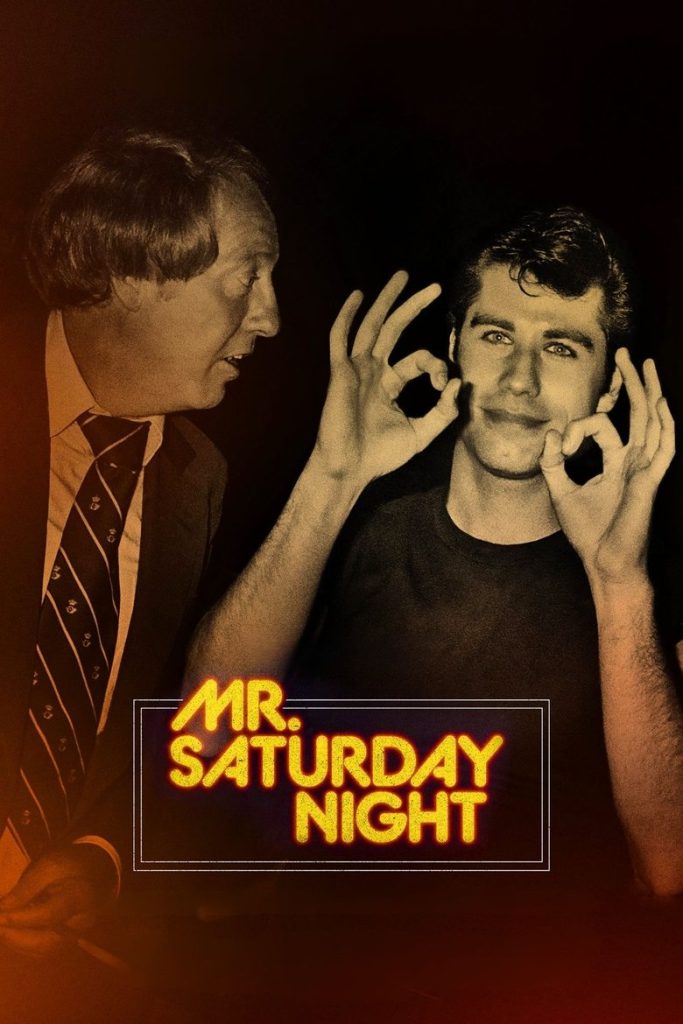
This documentary explores the life and career of Robert Stigwood, the influential music and film producer behind the iconic 'Saturday Night Fever' and its groundbreaking disco soundtrack. It delves into his business acumen, creative partnerships, and impact on 1970s pop culture, offering insights into the entertainment industry of that era.
Parent Guide
A clean, educational documentary about music history and production with no concerning content. Suitable for most ages, though business themes may be more engaging for older children.
Content breakdown
No violence, peril, or dangerous situations depicted.
No scary or disturbing imagery; focuses on factual historical content.
No offensive or inappropriate language expected in this documentary.
No sexual content or nudity; discusses music and film production professionally.
No depiction or discussion of substance use.
Mild emotional content related to business challenges or creative achievements; no intense scenes.
Parent tips
This documentary focuses on music history and business, making it suitable for older children interested in music or film production. No concerning content is present, but younger viewers might find the business discussions less engaging. Consider watching together to discuss the historical context and creative process.
Parent chat guide
Parent follow-up questions
—
- What kind of music did you hear in the movie?
- Did you see any instruments or people singing?
- What was Robert Stigwood's most famous project?
- How did disco music become popular in the 1970s?
- What business strategies did Stigwood use to succeed?
- How did 'Saturday Night Fever' impact both music and film industries?
🎭 Story Kernel
At its core, 'Mr. Saturday Night' is a devastating autopsy of artistic ego and the collateral damage of ambition. Buddy Young Jr.'s driving force isn't just the desire to make people laugh, but a pathological need for validation that supersedes all human connection. The film meticulously charts how his comedic genius—a weaponized form of emotional truth—becomes the very instrument that alienates his family, sabotages his career, and leaves him a king without a kingdom. It's less about the rise and fall of a star, and more about the corrosive nature of talent when it's divorced from empathy, asking whether the art can ever justify the artist's failings.
🎬 Visual Aesthetics
The film's visual language masterfully mirrors Buddy's psychological journey through a deliberate aesthetic evolution. Early scenes in the Catskills and on live TV are bathed in the warm, high-contrast glow of vintage film stock, capturing the electric chaos of a live audience. As his career stagnates and his bitterness grows, the palette drains into cooler, flatter tones, and the framing becomes more static and isolating, often trapping Buddy in medium shots that emphasize his separation from others. The transition to color in the 'present-day' 1990s sequences feels ironically bleak, using muted colors to underscore the hollow victory of his late-career recognition.
🔍 Details & Easter Eggs
💡 Behind the Scenes
Billy Crystal, who co-wrote, directed, and stars as Buddy, based aspects of the character on composite figures from the Borscht Belt comedy scene. David Paymer's Oscar-nominated performance as Buddy's long-suffering brother/manager Stan was developed through extensive improvisation with Crystal to build their fraught history. The film's authentic period feel was achieved by shooting the 1940s/50s sequences on actual vintage microphones and cameras sourced from collectors, and filming the Catskills resort scenes at locations that were still operational from that era.
Where to watch
Choose region:
- HBO Max
- HBO Max Amazon Channel
Trailer
Trailer playback is unavailable in your region.