
Mr. Smith Goes to Washington (1939)
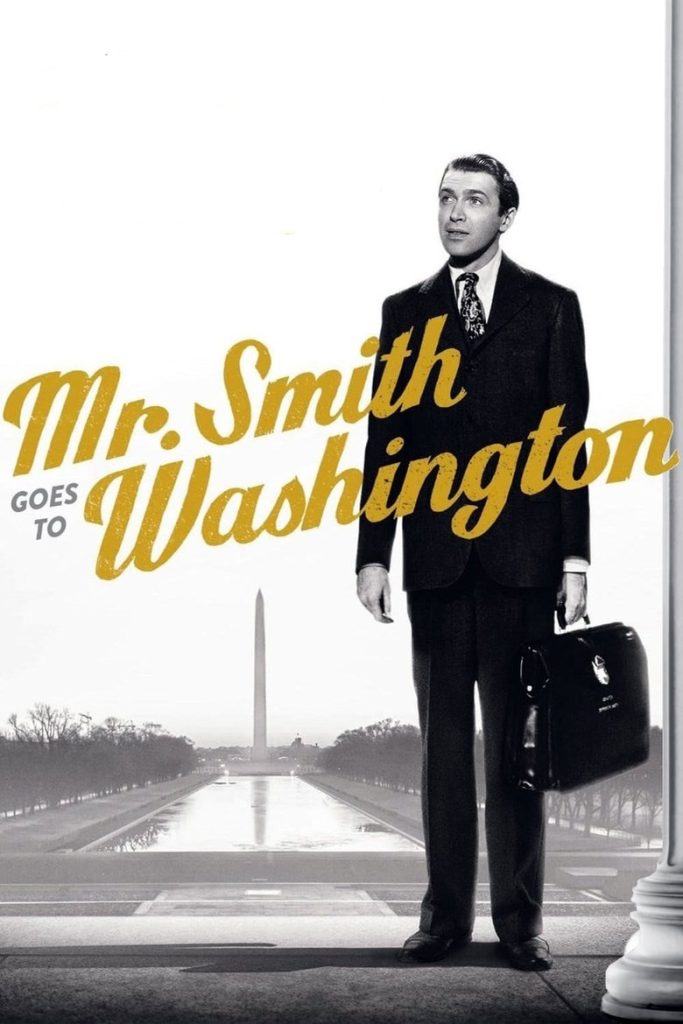
Story overview
This classic film follows an idealistic young man who is unexpectedly appointed to the United States Senate. He arrives in Washington D.C. full of hope and patriotic ideals, but quickly discovers the harsh realities of political corruption. The story centers on his struggle to maintain his integrity while facing powerful opposition from established political figures. Ultimately, it's a tale about standing up for what's right against overwhelming odds.
Parent Guide
A classic political drama about integrity and corruption, suitable for mature elementary students and up with guidance.
Content breakdown
No physical violence, but political tension creates psychological pressure. One scene shows a character collapsing from exhaustion.
Political manipulation and betrayal might disturb sensitive viewers. The intense final scenes involve emotional exhaustion and public confrontation.
Period-appropriate mild language. Some political insults and heated exchanges, but no modern profanity.
No sexual content or nudity. Characters have respectful professional relationships.
Social drinking in political settings, typical of 1930s depictions. No drunkenness or substance abuse.
High-stakes political drama creates sustained tension. The protagonist's emotional struggle and dramatic climax are emotionally engaging.
Parent tips
This film offers excellent opportunities to discuss civic responsibility, ethical decision-making, and how government systems work. While there's no graphic content, the political maneuvering and emotional intensity of the final scenes might be confusing or overwhelming for younger viewers. The 130-minute runtime requires sustained attention, so consider watching in segments with children under 10. The black-and-white cinematography and 1930s setting provide natural openings to discuss historical context and how filmmaking has evolved.
Parent chat guide
Parent follow-up questions
- What did you like about the main character?
- How did the people in the movie help each other?
- What buildings did you see in Washington?
- Was anyone being mean in the movie?
- What color was everything in the movie?
- Why was the main character chosen to be a senator?
- What does it mean to be 'honest' like the main character?
- How did the other senators try to stop him?
- What was the big speech at the end about?
- How do you think the story ended?
- What political tactics did the corrupt senators use?
- How did the main character's idealism change throughout the film?
- What does this film teach us about democracy?
- Why was the newspaper reporter an important character?
- How does this 1939 film relate to politics today?
- What systemic problems in government does the film expose?
- How does the film balance idealism with political realism?
- What ethical dilemmas did the main character face?
- How does the film use symbolism (like the Lincoln Memorial)?
- What contemporary political situations mirror this story?
🎭 Story Kernel
The film's core tension isn't just between good and evil politicians, but between institutionalized cynicism and stubborn idealism. Jefferson Smith isn't fighting a single villain—he's battling an entire system that has normalized graft and silenced dissent through social pressure and procedural manipulation. What drives Senator Paine isn't pure greed but the tragic belief that compromise is necessary survival in a broken machine. The movie argues that corruption isn't about mustache-twirling villains but about good people making incremental moral concessions until they become what they once despised. Smith's filibuster isn't just political theater—it's a desperate attempt to make the system hear one uncorrupted voice before it consumes him too.
🎬 Visual Aesthetics
Capra's direction masterfully uses visual contrasts to underscore Smith's journey. Washington's monuments are shot with imposing low angles, dwarfing the characters and emphasizing institutional power. The Senate chamber becomes a claustrophobic arena during the filibuster, with tight shots on Smith's exhausted face while wide shots show the empty chamber—visualizing his isolation. The newspaper montages use rapid cuts to show public opinion shifting, turning media into a character itself. Most strikingly, the Lincoln Memorial scenes employ soft lighting and reverent framing, creating visual sanctuaries of idealism amidst the political grime.
🔍 Details & Easter Eggs
💡 Behind the Scenes
James Stewart prepared for his iconic filibuster scene by actually not sleeping for 30 hours to achieve the proper exhausted delirium. The Senate set was so accurate that real senators visited and complimented its authenticity. Jean Arthur, playing Saunders, was so nervous about her role that she considered quitting—her palpable anxiety actually enhanced her character's transformation from cynic to believer. The production faced significant political pressure, with some in Washington trying to block the film for its unflattering portrayal of politics, proving life imitating art before the movie even premiered.
Where to watch
Choose region:
- Amazon Video
- Apple TV
- Google Play Movies
- YouTube
- Fandango At Home
- Spectrum On Demand
- Tubi TV
Trailer
Trailer playback is unavailable in your region.