
Mudbound (2017)
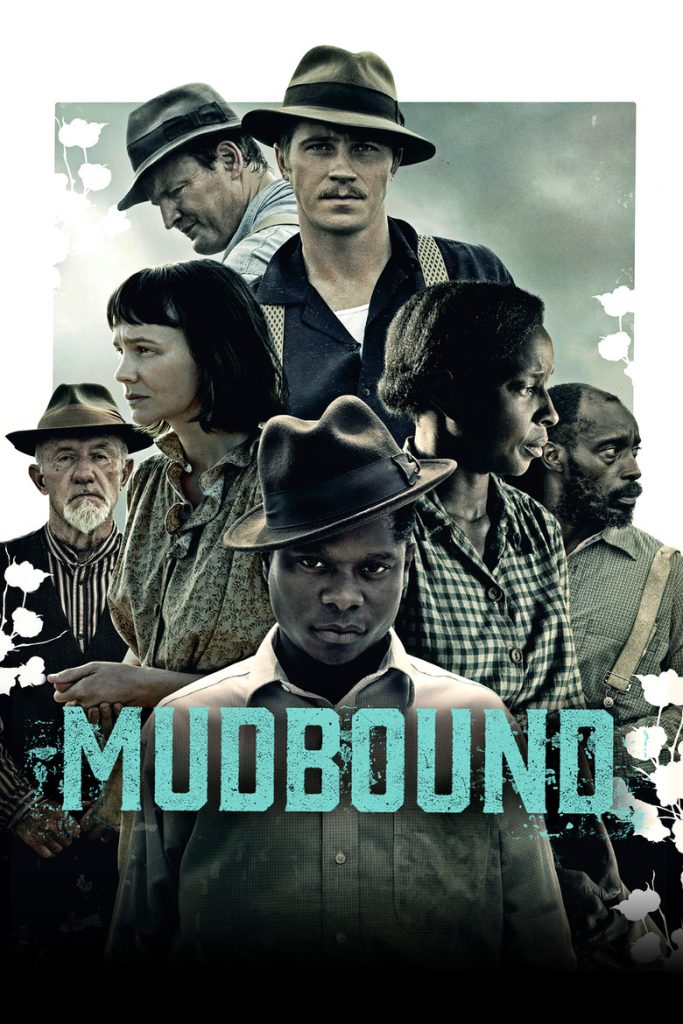
Story overview
Mudbound is a 2017 drama set in the rural American South during and after World War II. The film explores the intertwined lives of two families—one white, one Black—as they navigate farming, racism, and the aftermath of war. It examines themes of prejudice, trauma, and the struggle for dignity in a deeply divided society.
Parent Guide
Mature drama dealing with racism, war trauma, and social injustice in historical context.
Content breakdown
Includes racial violence, threats, and brief physical confrontations.
Contains disturbing racial situations and emotional intensity.
Includes racial slurs and strong language consistent with the period.
Implied relationships and brief suggestive content.
Social drinking depicted in some scenes.
Deals with racism, trauma, and difficult social situations.
Parent tips
Mudbound is rated R for mature themes including racial violence, strong language, and intense emotional situations. The film contains scenes depicting racial hatred, discrimination, and brief violence that may be disturbing. Parents should be aware that the movie deals with historical racism and trauma in ways that require maturity to process.
Parent chat guide
Parent follow-up questions
- What did you notice about how the families lived?
- How did the characters help each other?
- What colors did you see in the movie?
- How did the two families in the movie treat each other?
- What challenges did the characters face on the farm?
- How did the soldiers feel when they came home from war?
- Why do you think there was tension between the families in the movie?
- How did the time period affect how people treated each other?
- What did the characters learn about fairness and respect?
- How does the film portray systemic racism in mid-20th century America?
- What does the movie suggest about the psychological effects of war?
- How do the characters' economic circumstances influence their relationships and choices?
🎭 Story Kernel
Mudbound explores how systemic racism and trauma bind people across racial lines in post-WWII Mississippi, not through grand gestures but through shared, suffocating daily realities. The film's core isn't about overcoming racism but about how it permeates everything—land, bodies, relationships. The McAllan and Jackson families are driven by survival: the white family by maintaining fragile privilege on unforgiving land, the black family by navigating constant threat while claiming dignity. Their connection through returning veterans Jamie and Ronsel reveals how war trauma intersects with racial violence, showing that some bonds form not despite hatred, but because of shared recognition of life's brutal weight.
🎬 Visual Aesthetics
Director Dee Rees uses mud as both literal setting and visual metaphor—the brown-gray palette dominates every frame, making the Mississippi landscape feel like a character that swallows hope. Cinematography emphasizes claustrophobia through tight interior shots and vast, empty exterties that feel equally imprisoning. The camera often lingers on hands working soil, washing clothes, or touching wounds—emphasizing labor and trauma as shared human experiences. War flashbacks employ shaky, desaturated footage contrasting with the Mississippi scenes' heavy stillness, visually connecting different battlefields. Water scenes (the river, rain) provide rare visual relief while carrying danger, mirroring how brief moments of connection exist alongside constant threat.
🔍 Details & Easter Eggs
💡 Behind the Scenes
Director Dee Rees initially planned to shoot in Mississippi but moved production to Louisiana due to better tax incentives, requiring careful recreation of 1940s Mississippi farmland. Mary J. Blige, in her first major acting role as Florence Jackson, drew from her own childhood in housing projects to portray dignified resilience. The mud was a practical nightmare—a mixture of peat moss, concrete powder, and cocoa powder that stained everything and required daily pressure-washing of equipment. Jason Mitchell (Ronsel) and Garrett Hedlund (Jamie) spent weeks in veterans' groups researching PTSD in WWII soldiers. The film's dual narration structure was refined through 12 script drafts to ensure both families' voices felt equally weighted.
Where to watch
Choose region:
- Netflix
- Netflix Standard with Ads
Trailer
Trailer playback is unavailable in your region.