
Music Box: Yacht Rock: A DOCKumentary (2024)
Story overview
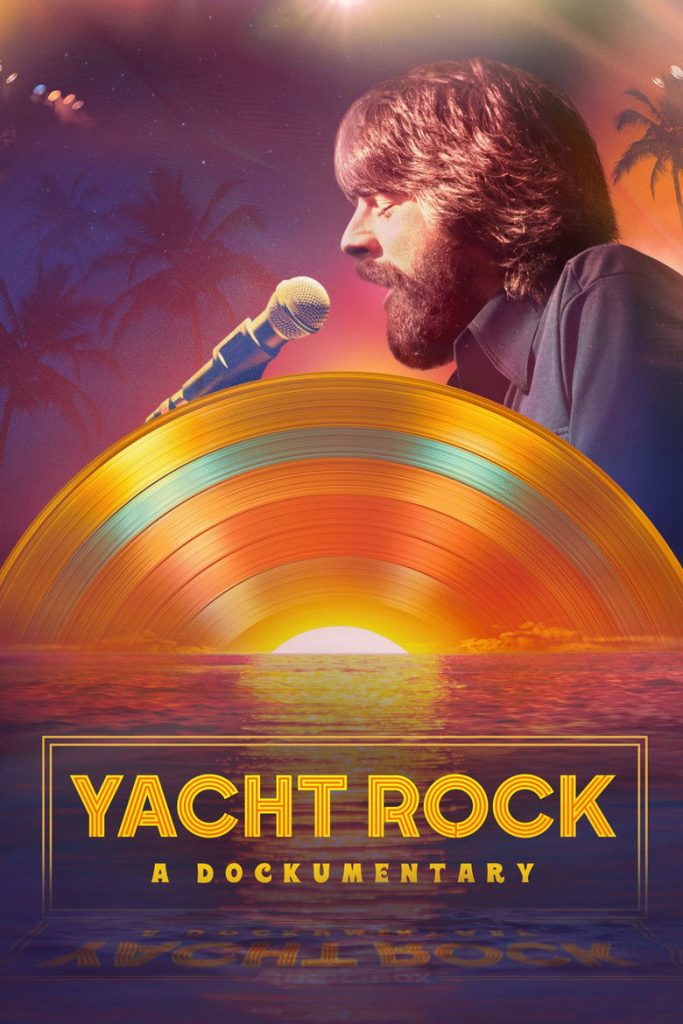
This 2024 documentary explores the history of 'Yacht Rock,' a smooth, melodic soft rock genre popular in the late 1970s and early 1980s. Through interviews with key artists like Kenny Loggins, Christopher Cross, and Michael McDonald, the film traces how this music was initially mocked by critics but has since been reevaluated and celebrated for its cultural impact. The documentary provides insight into the music industry, artistic expression, and changing public tastes over time.
Parent Guide
A music documentary exploring the history and cultural reception of Yacht Rock, featuring interviews with prominent musicians from the genre. The content is educational and focuses on music history, artistic expression, and industry dynamics. The TV-MA rating appears to stem primarily from occasional strong language in interview segments.
Content breakdown
No violence, peril, or dangerous situations depicted. The documentary consists entirely of interviews, archival footage, and musical performances.
Nothing frightening or disturbing. The tone is analytical and celebratory of the music genre.
May include occasional strong language (e.g., 'hell,' 'damn,' possibly stronger terms) from musicians during interviews when discussing career challenges or industry experiences. Language is not pervasive but present in some conversational moments.
No sexual content, nudity, or romantic situations. The focus is exclusively on music history and artistic careers.
No depiction or discussion of substance use. The documentary maintains focus on musical creation and industry dynamics.
Some emotional moments as artists discuss career setbacks, criticism, or personal reflections on their work. These are presented thoughtfully rather than dramatically.
Parent tips
This documentary is suitable for older children and teenagers interested in music history. The TV-MA rating primarily reflects occasional strong language from musicians discussing their careers. Parents should be aware that some artists may use mild profanity when recounting personal stories or industry challenges. The content focuses entirely on music creation, performance, and cultural reception without any violent, sexual, or substance-related material. Consider watching together with music-loving teens to discuss artistic perseverance and how cultural perceptions evolve.
Parent chat guide
Parent follow-up questions
- Did you like the music in the movie?
- What was your favorite song?
- Did you see any musical instruments?
- What is 'Yacht Rock' music?
- Why do you think some people didn't like this music at first?
- What instruments did you hear in the songs?
- How did the documentary explain why Yacht Rock became popular?
- What challenges did these musicians face in their careers?
- How has people's opinion of this music changed over time?
- What does this documentary reveal about how cultural trends are created and evaluated?
- How did the music industry's treatment of Yacht Rock compare to how it treats genres today?
- What can we learn about artistic integrity from these musicians' experiences?
🎭 Story Kernel
The film explores the retroactive branding of late-70s and early-80s high-fidelity soft rock as Yacht Rock, a term coined decades after the music's heyday. It is not just a nostalgia trip; it is a deep dive into the tension between commercial accessibility and elite musicianship. The documentary examines how a group of highly skilled session musicians—often the same players across different bands like Toto and Steely Dan—created a specific, polished sound that prioritized smoothness above all else. By interviewing the architects of the sound, like Michael McDonald and Kenny Loggins, the film investigates the genre's fall from grace during the rise of MTV and its eventual resurrection through internet culture. It ultimately argues that the music’s enduring appeal lies in its escapist quality and the undeniable technical mastery required to produce such effortless-sounding arrangements.
🎬 Visual Aesthetics
Director Garret Price employs a vibrant, sun-drenched aesthetic that mirrors the escapist luxury of the music itself. The film utilizes a wealth of archival 16mm footage and television performances, often treated with a warm, nostalgic color grade that evokes the late-70s California coastline. A recurring visual motif involves the juxtaposition of serene, oceanic imagery with the sterile, high-tech environments of recording studios. This visual contrast highlights the central irony of the genre: the breezy and relaxed sound was the product of obsessive, perfectionist labor in windowless, expensive rooms. The editing is rhythmic and snappy, often syncing archival transitions to the iconic drum shuffles that defined the era's percussion, making the technical aspects of the music feel visually dynamic and accessible to a general audience.
🔍 Details & Easter Eggs
💡 Behind the Scenes
Director Garret Price previously collaborated with producer Bill Simmons on the Music Box installment Woodstock 99: Peace, Love, and Rage, showcasing his ability to deconstruct specific cultural moments. The documentary features a wide array of contemporary voices, including Questlove and Thundercat, who provide a modern critical perspective on the genre's influence on R&B and Hip-Hop. Interestingly, many of the original artists, such as Christopher Cross, admit in the film that they initially disliked the Yacht Rock label before realizing it had introduced their music to a much younger, appreciative digital-age audience.
Where to watch
Choose region:
- HBO Max
- HBO Max Amazon Channel
Trailer
Trailer playback is unavailable in your region.