
Muxes (2016)
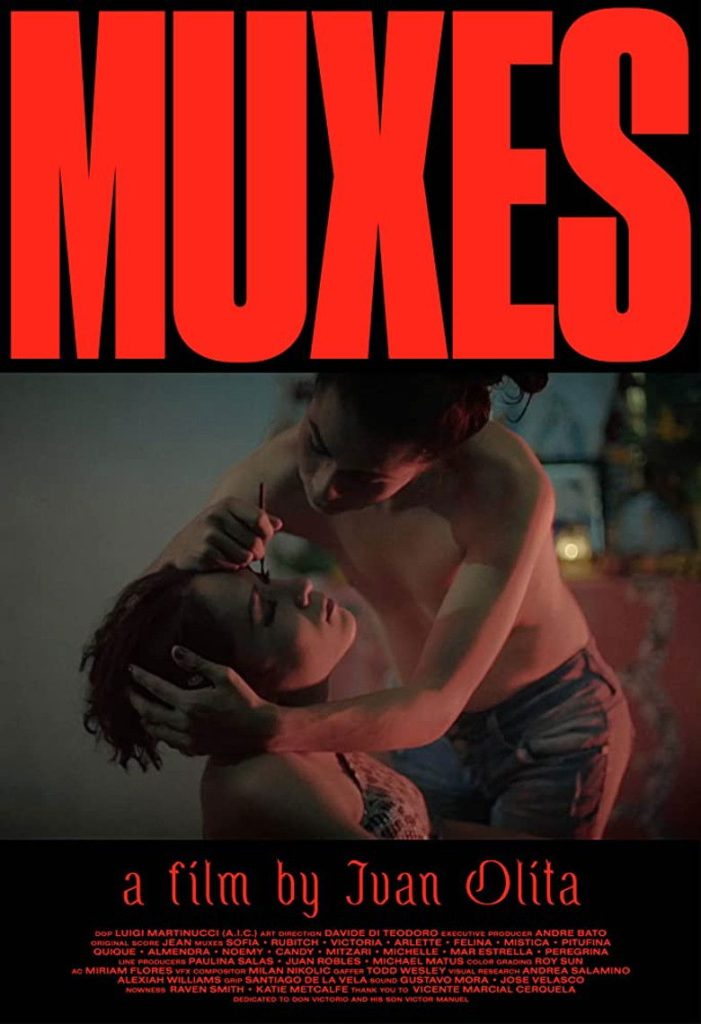
Story overview
This 2016 documentary explores the Zapotec community in Juchitán, Mexico, where a third gender category called 'muxes' is socially recognized. Muxes are men who identify as women and live between traditional male and female roles, offering a perspective on gender diversity within indigenous culture.
Parent Guide
Educational documentary about gender diversity in Mexican indigenous culture. Presents mature themes in a respectful, age-appropriate manner for guided viewing.
Content breakdown
No violence or peril depicted.
Content is non-threatening and presented in a documentary style.
No offensive language noted.
No sexual content or nudity present.
No substance use shown.
May evoke curiosity about gender identity; some children might find the concept unfamiliar but not distressing.
Parent tips
This documentary introduces children to concepts of gender diversity and cultural acceptance. It's educational but may require parental guidance to explain non-binary identities. Suitable for discussions about respect and inclusion.
Parent chat guide
Parent follow-up questions
- What does it mean to be kind to everyone?
- Can you name different ways people can be?
- How do the muxes show courage?
- Why is it important to accept people who are different?
- What can we learn from cultures that recognize more than two genders?
- How does this documentary challenge traditional ideas about gender?
- How does this film relate to current discussions about gender identity?
- What are the social implications of recognizing third gender categories?
🎭 Story Kernel
At its core, 'Muxes' explores the tension between cultural heritage and personal authenticity through the lens of Mexico's third-gender community in Oaxaca. The film follows muxe individuals navigating societal expectations while asserting their identities within the Zapotec culture that historically recognizes them. What drives the characters isn't merely acceptance from others, but the internal journey toward self-validation within a framework that both honors and confines them. The narrative reveals how tradition can be both sanctuary and cage, as characters negotiate family obligations, romantic desires, and community roles. The real expression here is about finding freedom within structure, and how identity isn't about rejecting one's roots but reinterpreting them.
🎬 Visual Aesthetics
The film employs a warm, saturated color palette dominated by vibrant pinks, purples, and golds that mirror the traditional textiles of Oaxaca, creating visual harmony between the characters and their environment. Cinematography favors intimate close-ups during emotional revelations and wide shots during community celebrations, emphasizing both personal journeys and collective identity. The camera often moves with fluid grace during dance sequences, mirroring the muxes' own fluidity. Symbolism appears through recurring imagery of embroidery and weaving—traditional women's work that muxes both adopt and transform, representing how they stitch together masculine and feminine elements into new patterns.
🔍 Details & Easter Eggs
💡 Behind the Scenes
The film features real muxe community members in supporting roles alongside professional actors, creating authentic representation. Shooting occurred entirely in Juchitán de Zaragoza, Oaxaca, during actual local festivals to capture genuine cultural atmosphere. Director Ivan Lowenberg spent three years living in the community before filming to ensure respectful and accurate portrayal. Several traditional garments worn in the film are heirlooms loaned by muxe families, with some embroidery patterns being centuries old. The musical score incorporates actual recordings from velas (local festivals) mixed with original compositions.
Where to watch
Choose region:
- HBO Max
- HBO Max Amazon Channel
- IndieFlix
- HBO Max Amazon Channel