
My Daughter’s Killer (2022)
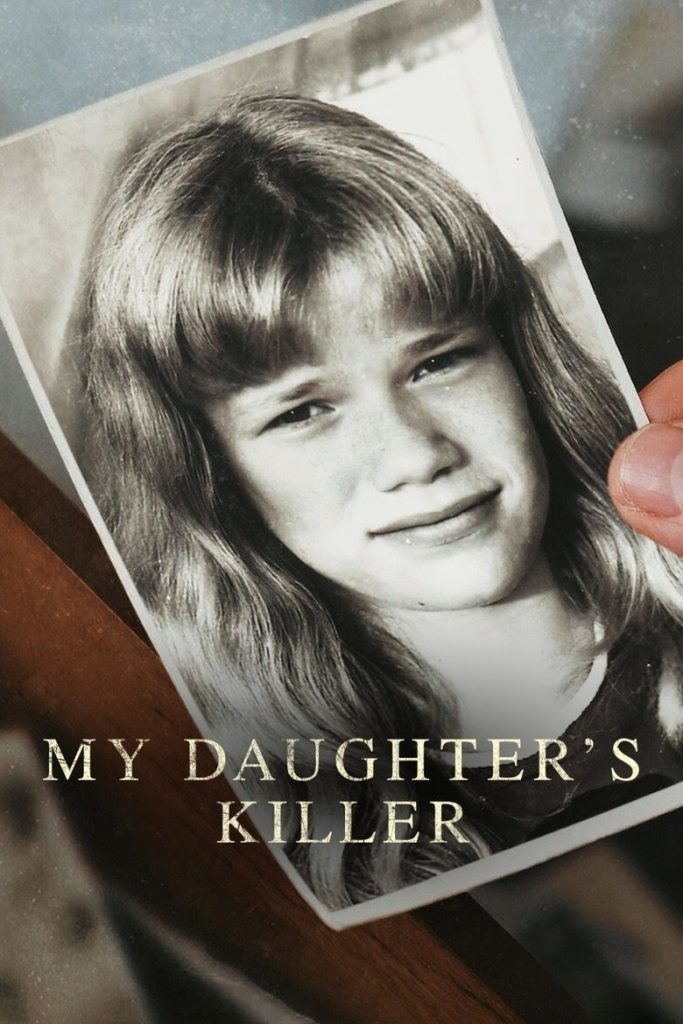
Story overview
This documentary follows a father's decades-long struggle to seek justice for his murdered daughter across France and Germany, culminating in his decision to take extreme measures when the legal system fails to deliver closure.
Parent Guide
A documentary exploring grief, justice, and vigilante action with mature themes unsuitable for children. Contains emotional intensity and discussions of violence.
Content breakdown
Discussions and descriptions of murder, though not graphically depicted. Tension builds around the father's potential extreme measures.
Themes of murder, loss, and vigilante justice are emotionally heavy. The father's prolonged grief and frustration may be disturbing.
Occasional strong language in emotional contexts, typical of documentary interviews about traumatic events.
No sexual content or nudity present.
No substance use depicted or discussed.
High emotional intensity throughout as the father processes grief and pursues justice for decades. Themes of loss, frustration, and moral dilemmas are central.
Parent tips
This documentary deals with mature themes including murder, grief, and vigilante justice. It contains emotional intensity and discussions of violence that may be disturbing for younger viewers. Best suited for mature teens and adults who can process complex real-world justice issues.
Parent chat guide
Parent follow-up questions
—
—
—
- How did the father's grief influence his actions over time?
- What does this documentary reveal about how different countries handle serious crimes?
- Do you think the father's extreme measures were justified? Why or why?
- What are the emotional costs of seeking justice outside the legal system?
🎭 Story Kernel
At its core, 'My Daughter's Killer' explores the collision between systemic legal processes and raw parental grief. The film isn't really about solving a murder—it's about what happens when a father realizes the justice system operates on timelines and procedures, while his pain demands immediate, visceral resolution. The protagonist's drive shifts subtly from wanting legal conviction to needing personal certainty, exposing how institutional justice can feel inadequate for profound personal loss. The movie asks whether closure from institutions can ever match the need for emotional resolution, especially when bureaucracy moves at its own glacial pace.
🎬 Visual Aesthetics
The film employs a stark, desaturated color palette that mirrors the emotional numbness of grief. Handheld camerawork during investigative scenes creates unease, while static, wide shots emphasize the protagonist's isolation. Visual symbolism is subtle but effective—recurring shots of clocks and calendars highlight the agonizing passage of time within legal processes. The contrast between sterile police stations and the lived-in warmth of the family home (now frozen in time) visually reinforces the disconnect between institutional and personal spaces of mourning. Action is restrained but impactful, with violence occurring off-screen or in quick cuts, making it more psychologically potent.
🔍 Details & Easter Eggs
💡 Behind the Scenes
The film was shot on location in rural France, with many scenes using natural lighting to enhance realism. The lead actor spent weeks shadowing actual detectives to understand procedural behavior. Interestingly, several courtroom scenes were filmed in a decommissioned courthouse that had handled similar cases decades earlier. The director intentionally avoided musical score during investigation sequences, using only ambient sound to heighten tension.
Where to watch
Choose region:
- Netflix
- Netflix Standard with Ads