
My Father’s Shadow (2025)
Story overview
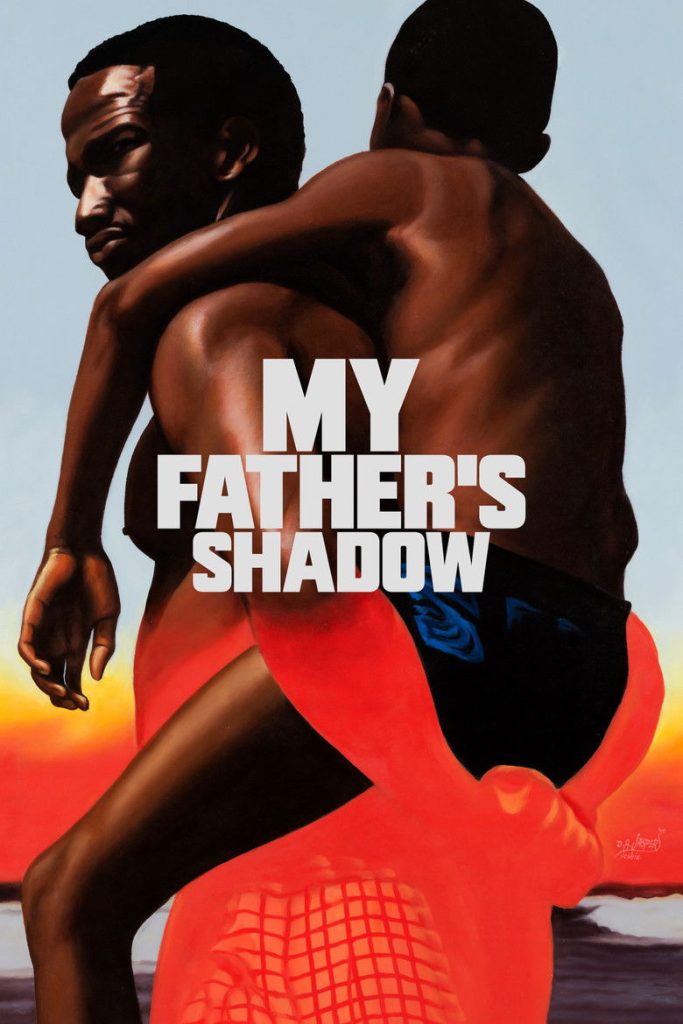
My Father's Shadow is a 2025 Nigerian-British-Irish historical drama that follows two young brothers as they spend time with their estranged father in Lagos during the turbulent 1993 Nigerian election crisis. As they explore the vibrant city together, they witness both the awe-inspiring scale of Lagos and their father's daily challenges, while growing political unrest threatens their journey home and forces them to confront family dynamics against a backdrop of national uncertainty.
Parent Guide
A thoughtful historical drama focused on family relationships during political unrest. While not containing graphic content, the themes of separation, political tension, and adult struggles require some maturity to process. Best for viewers who can understand historical context and emotional complexity.
Content breakdown
Some tense scenes related to political unrest including crowds, protests, and general urban tension. No physical violence shown, but characters face uncertainty and potential danger from the unstable political situation.
Atmospheric tension from political unrest and family separation. Some scenes show crowded, chaotic urban environments that might be unsettling for very young viewers. The emotional weight comes from the strained father-son relationships.
No strong language noted. Dialogue is appropriate for family viewing with no profanity or offensive language.
No sexual content or nudity. The focus is entirely on family relationships and historical context.
No depiction of substance use. Characters may be shown in social settings typical of adult life but without emphasis on alcohol or drugs.
Significant emotional themes including family separation, parental struggles, and political uncertainty. The film explores complex father-son dynamics and the weight of historical events on personal lives. While not traumatic, it requires emotional maturity to process the themes.
Parent tips
This film explores complex themes of family separation, political instability, and childhood resilience. While not graphic, it depicts tense situations related to political unrest that may require explanation for younger viewers. The emotional weight comes from the father-son relationships and the historical context rather than intense action or violence. Consider watching together to discuss the historical events and family dynamics portrayed.
Parent chat guide
Parent follow-up questions
- What did you like about the brothers' adventure?
- How do you think the brothers felt when they were with their dad?
- What was your favorite part of the movie?
- Why do you think the father and sons were separated at first?
- What did you notice about how Lagos looked different from where you live?
- How did the brothers help each other during their journey?
- What did you learn about Nigeria's history from this film?
- How did the political situation affect the family's time together?
- What responsibilities did the older brother take on during their adventure?
- How does the film portray the complexity of parent-child relationships during difficult times?
- What historical parallels can you draw between the 1993 crisis and current events?
- How does the film use the city of Lagos as both a setting and a character in the story?
Where to watch
Streaming availability has not been announced yet.
Trailer
Trailer playback is unavailable in your region.