
My Name Is Loh Kiwan (2024)
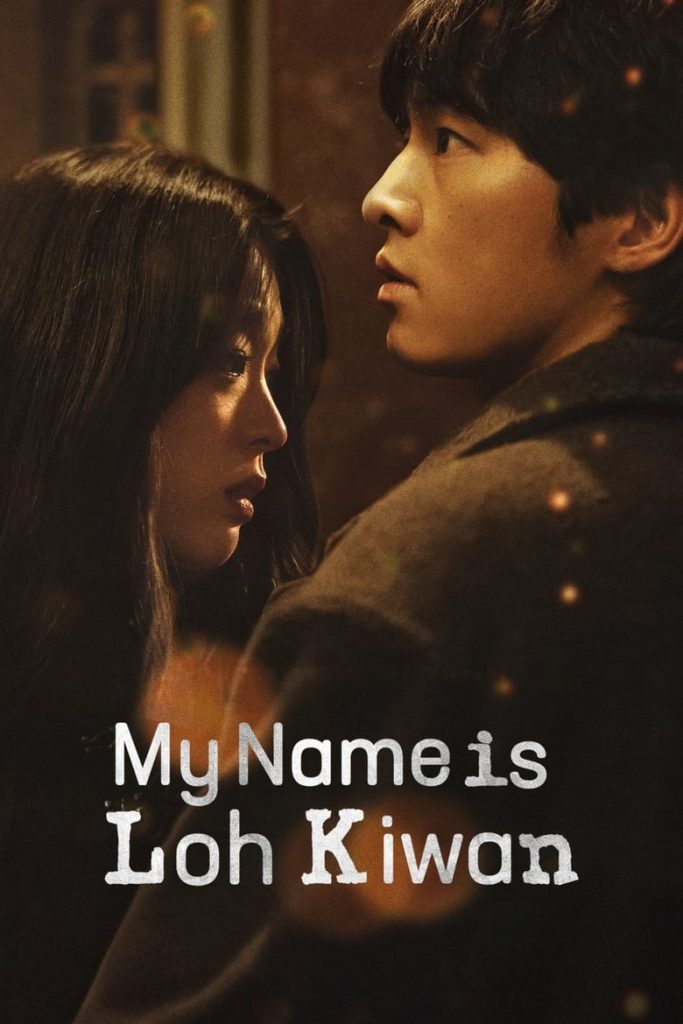
Story overview
My Name Is Loh Kiwan is a 2024 romance drama film. It follows the emotional journey of its title character as he navigates personal challenges and relationships. The story explores themes of love, identity, and human connection against a dramatic backdrop. With a TV-MA rating, it's intended for mature audiences due to its content.
Parent Guide
TV-MA rated romance drama with mature themes requiring parental guidance for viewers under 17.
Content breakdown
May include dramatic tension, emotional conflicts, or relationship struggles typical of the genre.
Contains emotionally intense scenes and mature dramatic situations that could be unsettling.
Likely includes mature dialogue and potentially strong language consistent with TV-MA rating.
May include romantic situations, intimacy, or suggestive content appropriate for mature audiences.
Could include social drinking or other substance references common in adult dramas.
Features deep emotional themes, relationship complexities, and dramatic character development.
Parent tips
This film carries a TV-MA rating, indicating it's specifically designed for mature audiences and may be unsuitable for children under 17. Parents should be aware that TV-MA content typically includes strong language, intense themes, sexual situations, or graphic violence that may not be appropriate for younger viewers. Consider previewing the film or researching specific content before allowing teenagers to watch, and be prepared to discuss any mature themes that arise.
Parent chat guide
Parent follow-up questions
- What was your favorite part of the movie?
- Which character did you like the most?
- What colors did you see in the movie?
- Was there any music you liked?
- What made you happy in the story?
- What was the main problem in the story?
- How did the characters help each other?
- What did you learn about friendship from this movie?
- Which scene made you feel the strongest emotion?
- What would you do differently if you were one of the characters?
- What themes about relationships did you notice in the film?
- How did the characters show courage in difficult situations?
- What did you think about how the characters communicated their feelings?
- How does this story compare to other dramas you've seen?
- What message do you think the filmmakers wanted to share?
- How did the film explore the concept of identity and personal growth?
- What did you think about the portrayal of romantic relationships in the story?
- How did the dramatic elements enhance or detract from the overall message?
- What cultural or social themes did you notice in the film?
- How might different viewers interpret the characters' choices differently?
🎭 Story Kernel
The film explores the grueling intersection of identity, survival, and the fundamental human right to be recognized. It isn't just about the physical journey of a North Korean defector, but the psychological weight of proving one's humanity to a cold, bureaucratic machine. Loh Kiwan’s struggle in Belgium serves as a metaphor for the universal search for belonging in a world that demands documentation as a prerequisite for compassion. The narrative juxtaposes Kiwan’s desperate will to live—fueled by his mother’s final wish—against Marie’s self-destructive nihilism. Ultimately, the film posits that survival is not merely about staying alive, but about finding a reason to endure, shifting the focus from the politics of borders to the intimacy of shared trauma and the redemptive power of human connection in the bleakest of circumstances.
🎬 Visual Aesthetics
Director Kim Hee-jin utilizes a desaturated, somber color palette to mirror the alienation and frigid reality of Brussels. The cinematography emphasizes the vast, impersonal architecture of the city, making Kiwan appear small and vulnerable within the frame. There is a stark contrast between the harsh, fluorescent lighting of the immigration offices and the dim, shadowy interiors where the characters find brief moments of solace. Symbolism is found in the recurring motif of the red scarf, representing the lingering warmth of his mother’s sacrifice amidst the gray urban landscape. The camera often lingers on close-ups of Song Joong-ki’s weathered face, capturing the minute shifts from desperation to quiet resolve. The visual language effectively communicates the claustrophobia of being stateless even in an open city, using shallow depth of field to isolate characters from a world that refuses to see them.
🔍 Details & Easter Eggs
💡 Behind the Scenes
The film is an adaptation of the acclaimed novel I Met Loh Kiwan by Cho Hae-jin, which won the Shin Dong-yup Prize for Literature. Song Joong-ki reportedly turned down the role seven years prior because he could not fully empathize with the character at the time, but revisited the project after finding a deeper connection to the script's themes of survival and love. Filming primarily took place in Budapest, Hungary, which doubled for the streets of Brussels to capture the specific European architectural aesthetic required. This project marks the feature film debut of director Kim Hee-jin.
Where to watch
Choose region:
- Netflix
- Netflix Standard with Ads
Trailer
Trailer playback is unavailable in your region.