
My Neighbor Totoro (1988)
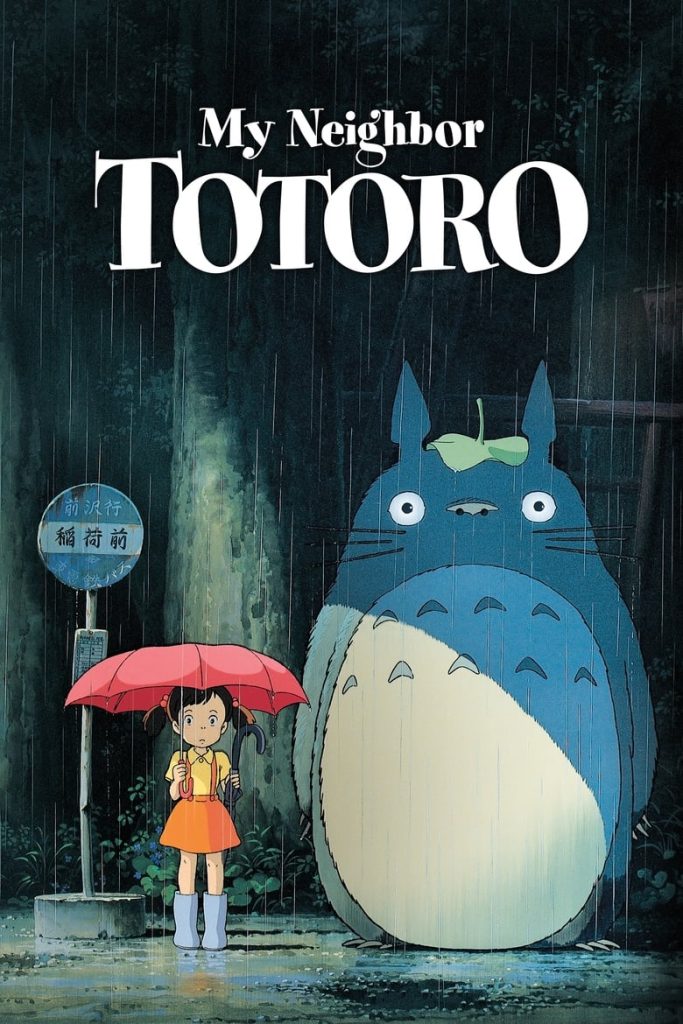
Story overview
My Neighbor Totoro is a gentle Japanese animated film about two young sisters, Satsuki and Mei, who move with their father to a rural house to be near their hospitalized mother. In their new countryside home, they discover magical forest spirits called Totoros who become their friends and guardians. The story follows their imaginative adventures and the emotional challenges of their mother's illness, culminating in a heartwarming search when the younger sister wanders off.
Parent Guide
A gentle, imaginative film about family bonds and childhood wonder with no concerning content.
Content breakdown
No violence, fighting, or physical danger occurs.
Some children might find the mother's hospitalization or the younger sister getting lost momentarily concerning, but these are handled gently.
No offensive language or harsh words.
No sexual content, romance, or nudity.
No alcohol, drugs, or smoking depicted.
Themes of family illness and separation create emotional moments, but are presented with warmth and hope.
Parent tips
This film is exceptionally family-friendly with a G rating, making it suitable for all ages. The main themes involve family bonds, childhood imagination, and coping with a parent's illness in a gentle, non-threatening way. Parents should be aware that while there's no violence, scary content, or inappropriate material, the emotional storyline about the hospitalized mother might require explanation for very young children who haven't experienced family illness.
Parent chat guide
Parent follow-up questions
- What was your favorite magical creature in the movie?
- How did the sisters help each other?
- What would you do if you met a Totoro?
- How did the movie make you feel?
- What was something happy that happened in the story?
- Why do you think the Totoros only appeared to the children?
- How did moving to a new house change the sisters' lives?
- What did the sisters learn about being brave?
- How did the family show they cared about each other?
- What would you do if you felt worried like the sisters did?
- How does the film show the difference between childhood imagination and adult reality?
- What does the movie suggest about finding comfort in nature?
- How do the sisters handle responsibility differently?
- What message does the film give about facing family challenges?
- How does the setting of rural Japan contribute to the story's mood?
- How does the film portray the emotional experience of childhood without being sentimental?
- What cultural perspectives on nature and spirituality does the film present?
- How does the animation style enhance the magical realism of the story?
- What does the film suggest about the relationship between imagination and coping with reality?
- How does the film handle themes of illness and family separation with sensitivity?
🎭 Story Kernel
At its core, 'My Neighbor Totoro' is a profound meditation on childhood resilience in the face of adult anxieties. The film isn't about magical creatures solving problems, but about how imagination becomes a coping mechanism for two young girls processing their mother's illness. Satsuki's growing responsibility and Mei's innocent wonder represent two responses to the same uncertainty. The magical forest creatures exist in a liminal space between reality and fantasy, accessible only when the girls are alone with their fears. The narrative's genius lies in showing how childhood magic doesn't erase real-world problems, but provides the emotional scaffolding to endure them.
🎬 Visual Aesthetics
Miyazaki's visual language creates a tactile, immersive world where nature feels alive and breathing. The color palette shifts subtly with emotional states - warm golds and greens during joyful moments with Totoro, cooler blues and grays during hospital visits and rainstorms. The camera often adopts a child's-eye view, emphasizing the scale difference between small humans and towering nature. Notice how movement defines character: Totoro's lumbering, deliberate motions contrast with the girls' energetic bursts, while the Catbus's fluid, impossible physics visually represents the logic of dreams. The famous bus stop scene uses rain not just as weather, but as a visual curtain separating the ordinary from the magical.
🔍 Details & Easter Eggs
💡 Behind the Scenes
Totoro's iconic design was inspired by several real animals including tanuki (raccoon dogs) and owls, but his name comes from Mei's mispronunciation of 'troll' in Japanese. The film's rural setting was meticulously based on Tokorozawa, Saitama, where Miyazaki lived during the 1950s - even specific trees and landscapes were referenced from location sketches. Originally conceived as a 60-minute film, production expanded when Miyazaki realized the story needed breathing room for its atmospheric moments. The now-famous bus stop scene was almost cut for pacing concerns but became the film's emotional centerpiece. Studio Ghibli was actually founded to produce this film alongside 'Grave of the Fireflies,' making Totoro the studio's first official mascot.
Where to watch
Choose region:
- HBO Max
- HBO Max Amazon Channel
- Amazon Video
- Apple TV
- Google Play Movies
- YouTube
- Fandango At Home
- Plex
Trailer
Trailer playback is unavailable in your region.