
My Other Mother (2014)
Story overview
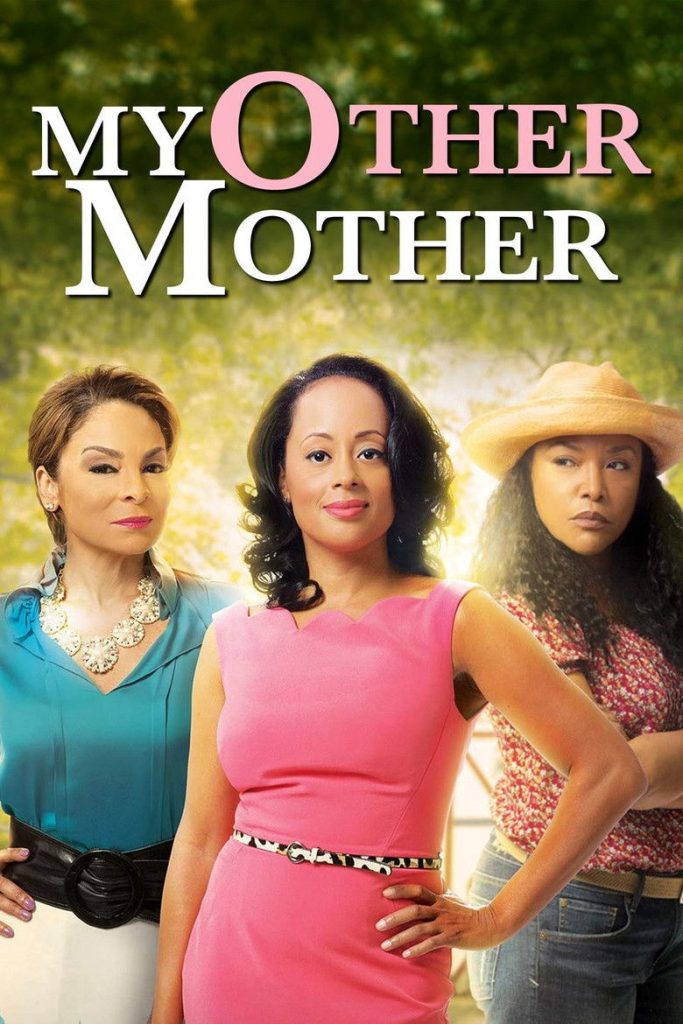
My Other Mother is a 2014 TV movie drama that explores family relationships and emotional connections. The story likely centers on themes of identity, belonging, and the complexities of family dynamics. As a made-for-television drama, it probably presents these themes in an accessible format suitable for family viewing.
Parent Guide
A family drama exploring emotional themes suitable for older children with parental guidance.
Content breakdown
As a TV movie drama, physical violence is unlikely to be present.
May contain emotionally intense family situations that could be mildly upsetting to sensitive viewers.
TV movies typically avoid strong language for general audiences.
Family-oriented TV movies generally avoid sexual content.
Substance use is unlikely in this type of family drama.
Explores family relationships and emotional themes that may be moderately intense for younger viewers.
Parent tips
This TV movie drama deals with emotional family themes that may resonate differently with children of various ages. Consider watching together to discuss the family dynamics portrayed. The 'Not Rated' designation suggests content is likely appropriate for general audiences, but parental discretion is always advised.
Parent chat guide
Parent follow-up questions
- What was your favorite part of the movie?
- How did the characters show they cared about each other?
- What makes someone a good family member?
- Did any parts make you feel happy or sad?
- What would you do if you met someone new in your family?
- What challenges did the main characters face in their family?
- How did the characters solve their problems?
- What does 'family' mean to you after watching this?
- How would you help someone feeling left out?
- What did you learn about understanding others' feelings?
- How did the movie portray different types of family relationships?
- What messages about acceptance did you notice?
- How do you think the characters grew or changed?
- What would you do differently in similar situations?
- How does this story relate to real-life family experiences?
- What themes about identity and belonging did the movie explore?
- How were complex emotions handled by different characters?
- What societal messages about family structures were present?
- How might this story reflect contemporary family issues?
- What did the movie suggest about the meaning of 'mother' or 'family'?
🎭 Story Kernel
At its core, 'My Other Mother' dissects the psychological horror of parental replacement through the lens of childhood perception. The film isn't about supernatural entities but the trauma of discovering that the person who raised you might be an imposter wearing your real mother's skin. The protagonist's journey reveals how children process betrayal through magical thinking—turning a psychological violation into a literal monster story. What drives the characters is the desperate need for authentic connection versus the terrifying reality of emotional displacement. The movie asks: when the foundational relationship of your life proves fraudulent, what remains of your identity?
🎬 Visual Aesthetics
The film employs a deliberately claustrophobic visual language, with tight close-ups that trap characters in their emotional prisons. The color palette shifts from warm amber tones in flashbacks to cold, desaturated blues in the present, visually marking the loss of childhood innocence. Camera movements become increasingly unstable as the protagonist's reality fractures, with Dutch angles and shaky handheld shots mirroring psychological disintegration. Symbolism appears in recurring mirror imagery—characters never fully reflect themselves, hinting at fractured identities. The 'other mother's' transformation is shown through subtle practical effects that make the uncanny feel disturbingly plausible.
🔍 Details & Easter Eggs
💡 Behind the Scenes
The lead actress playing both mothers underwent extensive movement training to create distinct physicalities for each version—the real mother moved with natural fluidity while the imposter had subtly mechanical gestures. Filming occurred in a single suburban house over 28 days to maintain spatial continuity and heighten the claustrophobic atmosphere. The director insisted on practical effects for the transformation sequences, using prosthetics and puppetry rather than CGI to preserve tactile horror. Several scenes were improvised based on the child actor's genuine reactions to the 'other mother' makeup, capturing authentic childhood fear.
Where to watch
Choose region:
- Amazon Prime Video
- fuboTV
- Peacock Premium
- UP Faith & Family Apple TV Channel
- Amazon Prime Video with Ads
- Peacock Premium Plus
- Aspire TV Amazon Channel
- UP Faith & Family Amazon Channel
- The Roku Channel
- Fandango at Home Free
- Pluto TV
- Amazon Prime Video Free with Ads
- Tubi TV
Trailer
Trailer playback is unavailable in your region.