Mysteries of the Terracotta Warriors (2024)
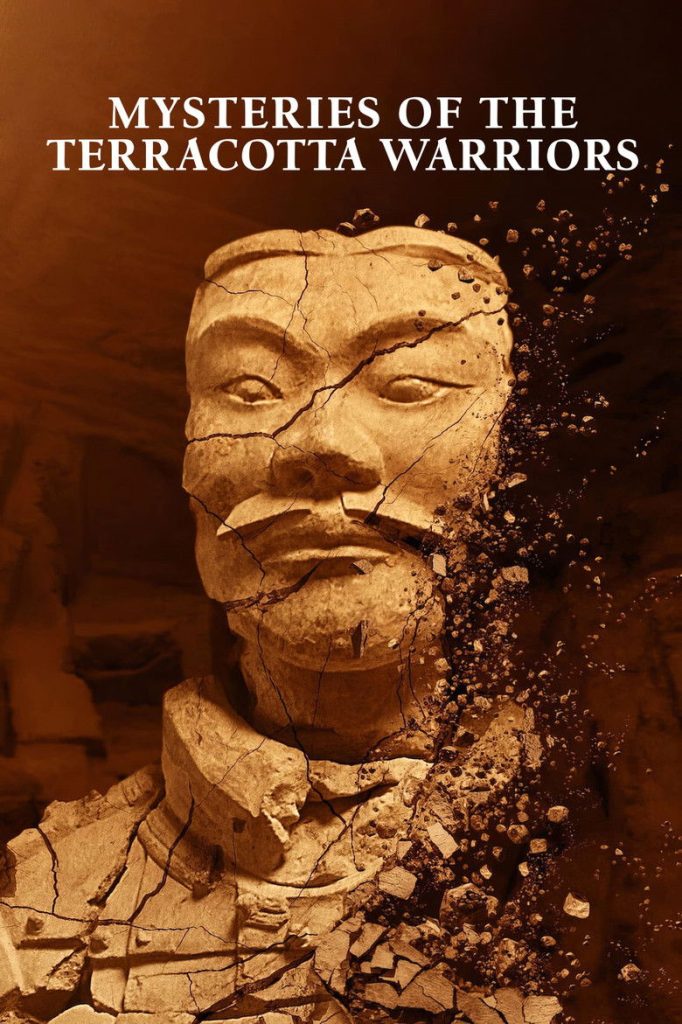
Story overview
This 2024 British documentary explores the ancient Terracotta Warriors of China, using archaeological evidence and historical reenactments to tell the story of these thousands of clay soldiers created to guard the tomb of the first Chinese emperor. It features expert insights from archaeologists and historians.
Parent Guide
Educational documentary about archaeological discovery with no concerning content. Suitable for most children with interest in history.
Content breakdown
No violence or peril depicted. Focus is on archaeological excavation and historical context.
No scary or disturbing content. Reenactments are mild and educational.
No offensive language. Academic and documentary-style narration.
No sexual content or nudity.
No substance use depicted.
Mild emotional intensity related to historical discovery and wonder. No intense emotional scenes.
Parent tips
This documentary is educational and focuses on historical discovery rather than dramatic action. It's suitable for children interested in history or archaeology. The reenactments are mild and factual. No concerning content is present, making it a safe choice for family viewing.
Parent chat guide
Parent follow-up questions
- What were the statues made of?
- Did the statues look like real people?
- What colors did you see?
- Why were the warriors made?
- How were they discovered?
- What tools did archaeologists use?
- What does the discovery tell us about ancient Chinese society?
- How do archaeologists preserve fragile artifacts?
- What challenges did the archaeologists face?
- How does this discovery compare to other archaeological finds worldwide?
- What ethical considerations exist in excavating tombs?
- How has technology changed archaeology since the warriors were found?
🎭 Story Kernel
At its heart, the film is an investigation into the paradox of Qin Shi Huang’s reign: the creation of a unified nation through unprecedented violence and megalomania. It transcends a simple archaeological survey by framing the Terracotta Army not just as a wonder of the world, but as a monument to the Emperor's paralyzing fear of death. The narrative shifts focus from the grandeur of the statues to the tragic reality of the thousands of laborers whose remains lie in mass graves nearby. It explores the concept of industrialized art and the brutal responsibility system where craftsmen were executed for minor flaws. Ultimately, the film expresses that while the Emperor sought eternal life through clay and mercury, his true legacy is the enduring trauma and resilience of the people who built his dream.
🎬 Visual Aesthetics
The documentary employs a sophisticated visual palette that oscillates between the sterile, high-contrast lighting of modern archaeological sites and the warm, flickering torchlight of historical reenactments. Director James Tovell utilizes sweeping drone shots to emphasize the staggering scale of the pits, juxtaposed with extreme close-ups of the warriors' faces, highlighting their individual features and the haunting realism of their expressions. A particularly striking visual element is the digital color restoration, which strips away centuries of oxidation to reveal the garish, vibrant pigments that once covered the statues. This colorization serves as a metaphor for peeling back the layers of history. The cinematography in the reenactments is deliberately claustrophobic, using shallow depth of field to mirror the suffocating environment of the underground workshops and the looming threat of the Emperor’s wrath.
🔍 Details & Easter Eggs
💡 Behind the Scenes
Directed by James Tovell, who previously gained acclaim for Secrets of the Saqqara Tomb, this documentary continues his trend of blending forensic archaeology with cinematic storytelling. The production had unprecedented access to the ongoing excavations at the Mausoleum of the First Qin Emperor in Xi'an. It features insights from prominent archaeologists like Hui-Yuan Yeh, who provide a bridge between the physical artifacts and the historical records of Sima Qian. Interestingly, the film emphasizes why the central tomb remains unopened: the risk of rapid oxidation destroying organic materials and the high levels of toxic mercury.
Where to watch
Choose region:
- Netflix
- Netflix Standard with Ads
Trailer
Trailer playback is unavailable in your region.