
Nappily Ever After (2018)
Story overview
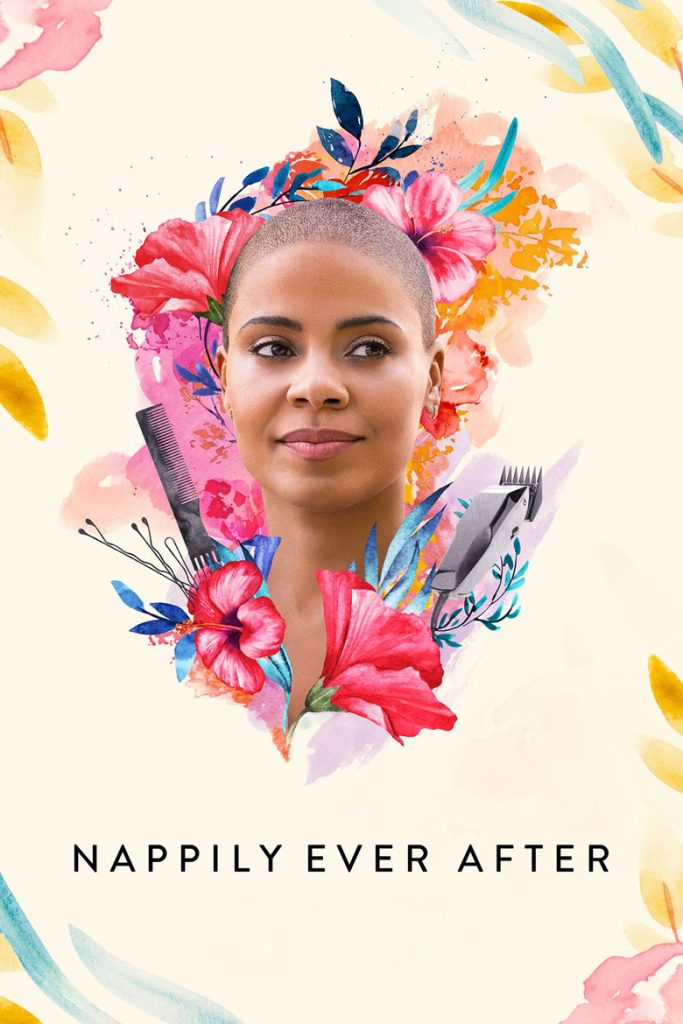
Nappily Ever After is a 2018 romantic comedy-drama that follows a successful advertising executive who undergoes a personal transformation after a series of life events challenge her carefully constructed image. The film explores themes of self-acceptance, identity, and societal expectations through the protagonist's journey of embracing her natural hair and authentic self. With its TV-MA rating, it addresses mature themes in a comedic and heartfelt manner.
Parent Guide
This TV-MA rated film contains mature themes about relationships, identity, and personal transformation that require parental discretion for viewers under 17.
Content breakdown
May contain minor relationship conflicts or emotional confrontations typical of romantic comedies.
Contains emotional intensity related to personal struggles and relationship issues.
Likely contains some mature language consistent with TV-MA rating for adult situations.
Contains romantic situations and discussions of relationships appropriate for mature audiences.
May include social drinking in adult settings.
Deals with personal identity struggles, relationship challenges, and emotional transformation.
Parent tips
This film is rated TV-MA, indicating it's intended for mature audiences and may not be suitable for children under 17 without parental guidance. The movie deals with adult relationships, personal identity struggles, and contains content that parents should preview before deciding if it's appropriate for their family. Consider watching it first yourself to determine if the mature themes align with your family's values and your child's emotional readiness.
Parent chat guide
Parent follow-up questions
- What did you notice about how the characters looked in the movie?
- How did the characters show they cared about each other?
- What colors or sounds did you like best in the movie?
- Did you see any characters being kind to others?
- What was your favorite part of the movie?
- What did you think about how the main character changed during the movie?
- How do you think people should treat themselves and others?
- What does it mean to be 'true to yourself'?
- Did you notice any problems the characters had to solve?
- What lessons could someone learn from this story?
- How does the movie show people dealing with pressure to look a certain way?
- What do you think about how the characters handled their relationships?
- How can media influence how people feel about themselves?
- What does the title 'Nappily Ever After' mean to you?
- How do characters in the movie show personal growth?
- How does the film explore the relationship between appearance and identity?
- What societal pressures do the characters face, and how do they respond?
- How does the movie handle themes of self-acceptance versus external validation?
- What commentary does the film make about beauty standards in society?
- How do the characters' personal journeys reflect broader issues of authenticity?
🎭 Story Kernel
At its core, 'Nappily Ever After' explores the suffocating weight of external validation and the radical act of self-definition. Violet's meticulously maintained hair symbolizes the performative perfection she believes society demands—especially from Black women. The film argues that true liberation comes not from meeting others' expectations but from embracing one's authentic, imperfect self. Violet's journey from corporate executive to creative entrepreneur mirrors her hair transformation—both are acts of shedding imposed identities. The narrative critiques how women, particularly women of color, are conditioned to prioritize appearance over authenticity, suggesting that happiness requires dismantling these internalized standards.
🎬 Visual Aesthetics
The film's visual language mirrors Violet's emotional arc through deliberate color and texture shifts. Early scenes feature cool, sterile blues and grays in her corporate environment and pristine apartment, emphasizing emotional distance. After her haircut, warm earth tones and natural lighting dominate, creating intimacy. Close-ups on hair textures—from chemically straightened to natural curls—serve as visual metaphors for identity. The salon scenes use vibrant colors and dynamic camera movements to contrast with earlier static compositions. The final beach sequence employs golden-hour lighting and fluid cinematography to visually represent Violet's newfound freedom and organic connection to her environment.
🔍 Details & Easter Eggs
💡 Behind the Scenes
Sanaa Lathan performed her own dramatic hair cutting scene in one take, with director Haifaa al-Mansour capturing the raw emotion authentically. The film is based on Trisha R. Thomas's novel series, with the screenplay adapted over several years before Netflix production. Many salon scenes were filmed in actual Atlanta beauty shops to capture authentic community atmosphere. Lyriq Bent (Clint) and Lathan developed natural chemistry through improvisation during their romantic scenes. The production consulted with natural hair stylists to ensure accurate representation of Black hair care rituals throughout Violet's transformation.
Where to watch
Choose region:
- Netflix
- Netflix Standard with Ads
Trailer
Trailer playback is unavailable in your region.