
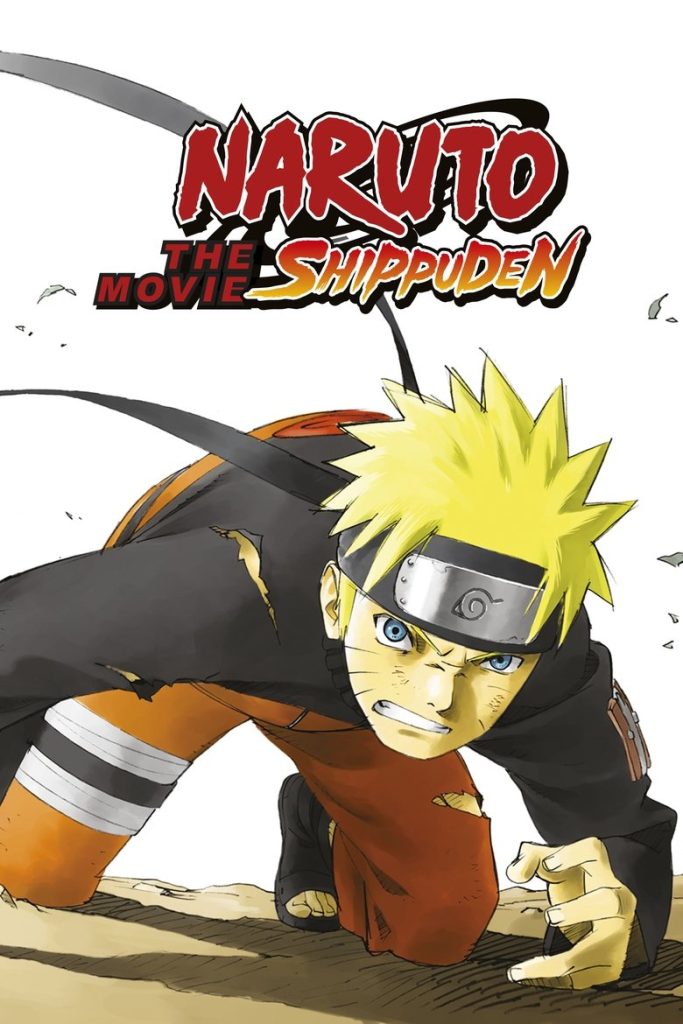
Naruto Shippuden the Movie (2007)
Story overview
In this animated adventure, Naruto faces a world-threatening crisis when ancient demons are revived. His mission is to protect Shion, a shrine maiden with the power to seal demons and predict human deaths. When Shion foresees Naruto's own death, he must choose between abandoning his duty to save himself or risking everything to protect her and prevent global destruction. The story explores themes of courage, sacrifice, and challenging fate.
Parent Guide
An animated action-fantasy film with moderate fantasy violence and emotional intensity, suitable for older children who can handle demonic themes and perilous situations.
Content breakdown
Fantasy violence including demon battles, magical combat, and characters in peril. No graphic injuries shown, but intense action sequences.
Demonic creatures and themes of death predictions may be unsettling. The threat of world destruction creates tense situations.
No concerning language noted in the provided information.
No sexual content or nudity indicated.
No substance use shown.
Themes of sacrifice, death predictions, and world-ending threats create emotional tension. Characters face difficult moral choices.
Parent tips
This animated film features fantasy violence typical of action-adventure anime, including demon battles, magical combat, and perilous situations. The central conflict involves a death prediction that creates tension and emotional stakes. While not excessively graphic, the demonic themes and life-or-death scenarios may be intense for younger viewers. The film promotes positive messages about bravery, responsibility, and protecting others despite personal risk.
Parent chat guide
Parent follow-up questions
- What was your favorite part of the movie?
- How did Naruto help his friend?
- What makes someone brave?
- Did you see any characters being kind to each other?
- What colors did you like in the animation?
- Why was it important for Naruto to protect Shion?
- What does it mean to be responsible for someone else?
- How do you think Naruto felt when he learned about the prediction?
- Have you ever had to do something difficult to help a friend?
- What makes a good friend in the movie?
- What would you do if you were told something bad might happen to you?
- How does the movie show characters facing their fears?
- What does the film suggest about challenging predictions or expectations?
- How do the characters show loyalty to each other?
- What responsibilities come with having special abilities or roles?
- How does the film explore the concept of fate versus free will?
- What ethical dilemmas does Naruto face in his mission?
- How do the characters demonstrate different types of courage?
- What does the film suggest about the relationship between duty and personal safety?
- How might this story relate to real-world situations where people must protect others?
🎭 Story Kernel
At its core, 'Naruto Shippuden the Movie' explores the psychological weight of legacy and the ghosts of the past that haunt the present. While the surface plot involves Naruto protecting a priestess from a demonic threat, the true conflict lies within Naruto's struggle with his father's shadow and the expectations placed upon him as the Fourth Hokage's son. The demon Mōryō serves as a literal manifestation of unresolved trauma—centuries of hatred and violence that must be confronted rather than merely defeated. The priestess Shion's fatalistic visions force Naruto to question whether destiny can be rewritten, mirroring his own lifelong battle against the prophecy of being a jinchūriki. Ultimately, the film argues that true strength comes from acknowledging painful histories while choosing to create new futures—a theme that resonates deeply with Naruto's entire character arc.
🎬 Visual Aesthetics
The film employs a distinct visual language that separates it from the television series, with cinematic widescreen compositions and more deliberate pacing in action sequences. The color palette shifts dramatically between settings: warm, earthy tones dominate the Hidden Leaf Village scenes, while Shion's temple features cool blues and purples that create an ethereal, almost haunted atmosphere. During Mōryō's manifestations, the animation adopts a fluid, ink-like quality with dark, swirling textures that contrast sharply with the clean lines of character designs. Battle choreography emphasizes weight and impact—particularly in Naruto's final confrontation where each Rasengan feels more consequential than typical TV episodes. Symbolically, the recurring imagery of chains (both physical and in Shion's visions) visually represents the constraints of fate that characters struggle against throughout the narrative.
🔍 Details & Easter Eggs
💡 Behind the Scenes
This was the first Naruto film produced after Masashi Kishimoto's increased involvement in the movie adaptations, resulting in more consistent characterizations with the manga. The temple locations were inspired by real-world Japanese shrines in Nara Prefecture, with animators visiting to capture specific architectural details. Voice actor Junko Takeuchi recorded Naruto's emotional scenes separately from action sequences to maintain different vocal qualities—a departure from the TV series' typically continuous recording sessions. The film's score incorporates traditional gagaku (Japanese court music) instruments during Shion's rituals, blending them with the franchise's typical orchestral style for unique atmospheric moments.
Where to watch
Choose region:
- Netflix
- Netflix Standard with Ads
- Amazon Video
- Apple TV
- Google Play Movies
- YouTube
- Fandango At Home
Trailer
Trailer playback is unavailable in your region.