
Naruto Shippuden the Movie: Blood Prison (2011)
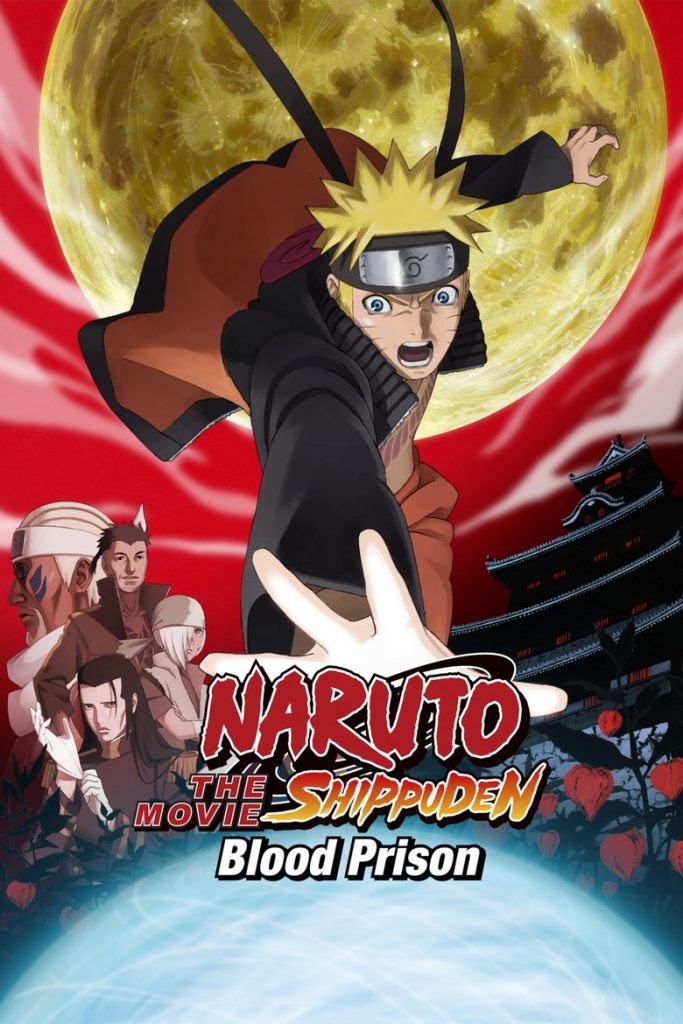
Story overview
In this animated film, the protagonist is wrongfully imprisoned in a high-security facility after being accused of serious crimes. While incarcerated, he discovers a sinister plot involving the extraction of power from prisoners. The story follows his efforts to clear his name and uncover the truth behind mysterious events within the prison, featuring action sequences and elements of mystery.
Parent Guide
An animated action-mystery with moderate violence and intense themes suitable for mature children with parental guidance.
Content breakdown
Contains martial arts combat, supernatural battles, imprisonment, and perilous situations typical of the franchise. Not excessively graphic but includes fantasy violence.
Prison setting, wrongful accusation themes, conspiracy elements, and some intense sequences may disturb sensitive viewers. Horror genre elements present but not extreme.
May contain mild exclamations or heated dialogue consistent with action sequences. No strong profanity expected.
No sexual content or nudity present in this animated film.
No depiction of substance use.
Themes of betrayal, injustice, and imprisonment create tense emotional moments. Characters face significant adversity and danger.
Parent tips
This animated movie contains moderate action violence typical of the franchise, including martial arts combat, supernatural abilities, and perilous situations. Some scenes may be intense for younger viewers due to the prison setting, implied threats, and darker themes of wrongful imprisonment and conspiracy. The TV-14 rating suggests content may be unsuitable for children under 14 without parental guidance, though mature 8-13 year olds familiar with the series may handle it with discussion.
Parents should note the film blends multiple genres including thriller, horror, and mystery elements alongside its action and comedy aspects. The prison environment creates a tense atmosphere with themes of betrayal, injustice, and survival. While not excessively graphic, the combination of supernatural combat, psychological tension, and criminal themes warrants consideration of your child's sensitivity to such content.
Parent chat guide
For younger viewers, focus conversations on friendship, truth-seeking, and problem-solving rather than the darker conspiracy elements. With teens, you might discuss themes of justice systems, personal integrity under pressure, and how media portrays imprisonment. Always reinforce that real-life conflicts should be resolved through communication and proper channels, not through violence.
Parent follow-up questions
- How did the main character feel when people didn't believe him?
- What was your favorite part of the movie?
- How do friends help each other when things are hard?
- What does it mean to tell the truth?
- What colors did you see in the animation?
- Why was it important for the character to prove his innocence?
- How did the character solve problems without fighting sometimes?
- What made the prison setting feel scary or tense?
- Have you ever felt misunderstood like the main character?
- What would you do if you saw someone being treated unfairly?
- What methods did the character use to investigate the truth?
- How did the movie balance action scenes with mystery elements?
- What does this story suggest about trusting authority figures?
- How might the prison setting symbolize larger themes?
- What character traits helped the protagonist overcome challenges?
- How does the film explore themes of justice versus the legal system?
- What commentary might the prison setting provide on power structures?
- How does the animation style affect the presentation of darker themes?
- In what ways does the story address perseverance against institutional obstacles?
- How does this film compare to other stories about wrongful accusations you've seen?
🎭 Story Kernel
At its core, 'Blood Prison' explores institutional corruption and the betrayal of trust within systems meant to protect. The movie's driving force isn't just Naruto's physical escape from Hozuki Castle, but his psychological battle against being framed by the very village he swore to defend. The real conflict emerges when Naruto must confront the possibility that Konoha has abandoned him, forcing him to question his blind loyalty while maintaining his core identity. This creates tension between his inherent trust in others and the mounting evidence of systemic betrayal, making his eventual triumph less about defeating a villain and more about reaffirming his values against institutional decay.
🎬 Visual Aesthetics
The film employs a distinct visual language of confinement and deception. Hozuki Castle's oppressive architecture dominates scenes with heavy shadows and cold stone textures, visually representing Naruto's imprisonment. During action sequences, the animation shifts to fluid, dynamic choreography that contrasts sharply with the static prison environment, particularly in Naruto's battles where his movements become increasingly desperate and explosive. The color palette leans heavily into muted blues and grays for prison scenes, with occasional bursts of orange during Naruto's Rasengan attacks, creating visual metaphors for hope breaking through institutional gloom. Camera angles frequently use low shots to make the prison structures loom over characters, emphasizing their powerlessness.
🔍 Details & Easter Eggs
💡 Behind the Scenes
This film marked a significant production shift as the first Naruto movie directed by Masahiko Murata rather than series regular Hayato Date. Voice actor Junko Takeuchi reportedly found Naruto's emotional scenes particularly challenging due to the character's unusual position of being betrayed by his village. The prison setting required extensive new background art that diverged from Konoha's familiar landscapes, with animators studying real medieval fortresses for Hozuki Castle's design. Interestingly, the movie's release coincided with the manga's progression into the Fourth Great Ninja War arc, creating thematic parallels about institutions failing their protectors.
Where to watch
Choose region:
- Netflix
- Netflix Standard with Ads
- Amazon Video
- Apple TV
- Google Play Movies
- YouTube
- Fandango At Home