
Naruto the Movie: Ninja Clash in the Land of Snow (2004)
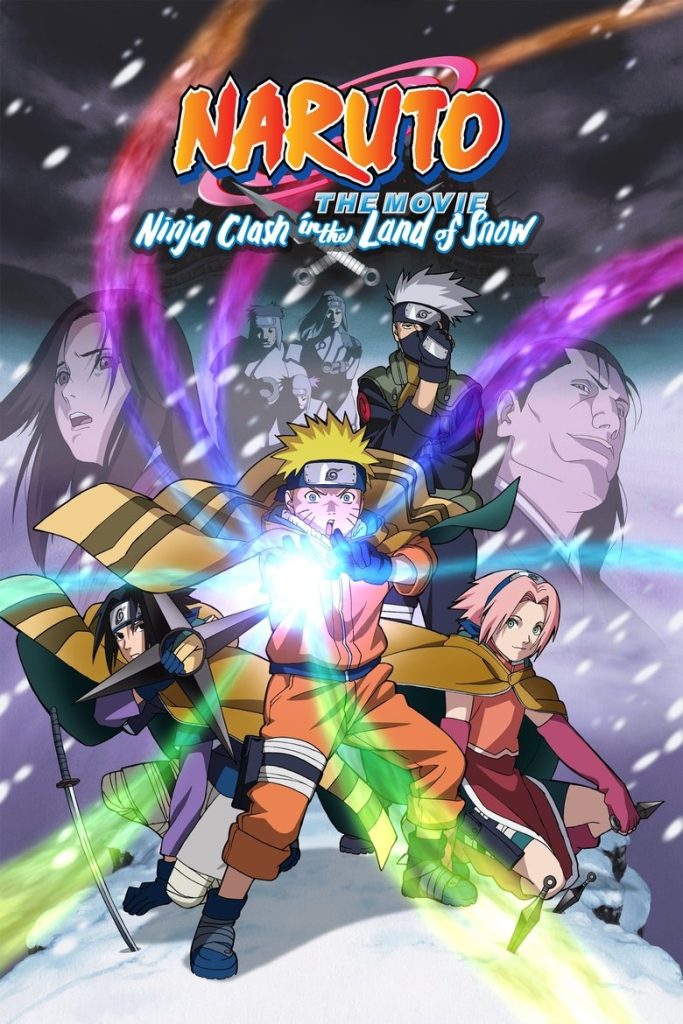
Story overview
In this animated adventure, Naruto and his ninja team are assigned to protect a famous actress during a movie shoot in the snowy wilderness. When the actress mysteriously disappears, Naruto and his friends embark on a rescue mission, encountering dangerous ninja adversaries along the way. The story blends action-packed ninja battles with themes of friendship, loyalty, and confronting one's past.
Parent Guide
An animated ninja adventure with fantasy violence and themes of friendship and confronting one's past, suitable for older children and teens.
Content breakdown
Fantasy ninja combat with martial arts, magical attacks, and characters in perilous situations. No graphic injuries shown.
Some tense moments and confrontations with villains, but nothing overly frightening. The snowy setting creates atmosphere but isn't horror-oriented.
No offensive language noted in typical animated adventure style.
No sexual content or nudity present.
No substance use depicted.
Some emotional moments related to characters' pasts and relationships, but generally maintains an adventurous tone.
Parent tips
This movie features animated ninja combat with martial arts-style fighting, magical attacks, and some perilous situations. While there's no graphic violence, characters engage in frequent battles with punches, kicks, and special ninja techniques. The TV-14 rating suggests it may be more intense than typical children's animation, with some emotional moments as characters face challenges and confront their histories.
Parents should note that the film includes fantasy violence typical of the Naruto series, with characters using ninja weapons and abilities against each other. There are scenes of characters in danger and some tense confrontations, though the overall tone remains adventurous and comedic at times. The movie explores themes of protecting others and facing difficult truths, which could lead to discussions about responsibility and honesty.
Parent chat guide
After the movie, consider discussing how the characters showed courage and perseverance. Talk about the difference between fantasy combat and real-world conflict resolution. You might explore how movies can help us think about facing difficult situations in our own lives, or how we can support friends who are dealing with tough circumstances.
Parent follow-up questions
- What was your favorite part of the movie?
- How did the characters help each other?
- What colors did you see in the snowy scenes?
- Did any parts make you feel excited?
- What sounds did the ninjas make?
- What made Naruto a good friend in the story?
- How did the characters work together as a team?
- What would you do if you needed to protect someone?
- How did the snowy setting make the adventure more exciting?
- What did you learn about being brave from this movie?
- How did the movie show the importance of keeping promises?
- What challenges did the characters face, and how did they overcome them?
- How does this movie compare to other adventure stories you've seen?
- What does it mean to confront your past, as shown in the story?
- How did the characters balance action with trying to understand others?
- How does this film explore themes of identity and heritage?
- What commentary does the movie offer about celebrity culture versus real life?
- How are conflicts resolved beyond just physical confrontation?
- What makes this animated adventure different from live-action action movies?
- How does the film handle the concept of duty versus personal choice?
🎭 Story Kernel
The film explores the tension between technological progress and traditional ninja values through Princess Koyuki's arc. While Doto Kazahana seeks to weaponize geothermal energy for conquest, Naruto's journey isn't about defeating him physically but about reconnecting Koyuki to her father's legacy of using technology for protection, not destruction. The core conflict mirrors Naruto's own struggle—rejecting a legacy of loneliness (like Koyuki's exile) to build bonds that define identity. The Land of Snow's transformation from icy fortress to blooming nation visually represents this thematic thaw, where trust, not chakra, becomes the ultimate power source.
🎬 Visual Aesthetics
The animation employs a stark contrast between the sterile, blue-white palette of the Snow Land's technology and the warm, earthy tones of the Hidden Leaf Village, visually opposing cold industrialization against organic tradition. Action sequences blend classic ninja agility with steampunk-esque machinery, like the armored trains and geothermal drills, creating a unique clash of styles. Symbolism shines in the recurring snowflake motif—fragile yet collectively formidable—mirroring how individual characters (Naruto, Koyuki, and even the rogue ninja) find strength in unity. The camera often lingers on close-ups of characters' eyes during emotional reveals, emphasizing vision and perception as key themes.
🔍 Details & Easter Eggs
💡 Behind the Scenes
This was the first Naruto movie, released in 2004 to capitalize on the anime's rising popularity. It features original character designs by series creator Masashi Kishimoto, who also supervised the script to ensure consistency with the main storyline. The snowy landscapes were inspired by real Hokkaido locations, with animators studying ice and light effects to achieve the film's distinctive visual chill. Voice actor Junko Takeuchi recorded Naruto's lines separately from the main anime due to scheduling, adding a unique energy to his performance.
Where to watch
Choose region:
- Netflix
- Netflix Standard with Ads
- Amazon Video
- Apple TV
- Google Play Movies
- YouTube
- Fandango At Home
Trailer
Trailer playback is unavailable in your region.