
Nausicaä of the Valley of the Wind (1984)
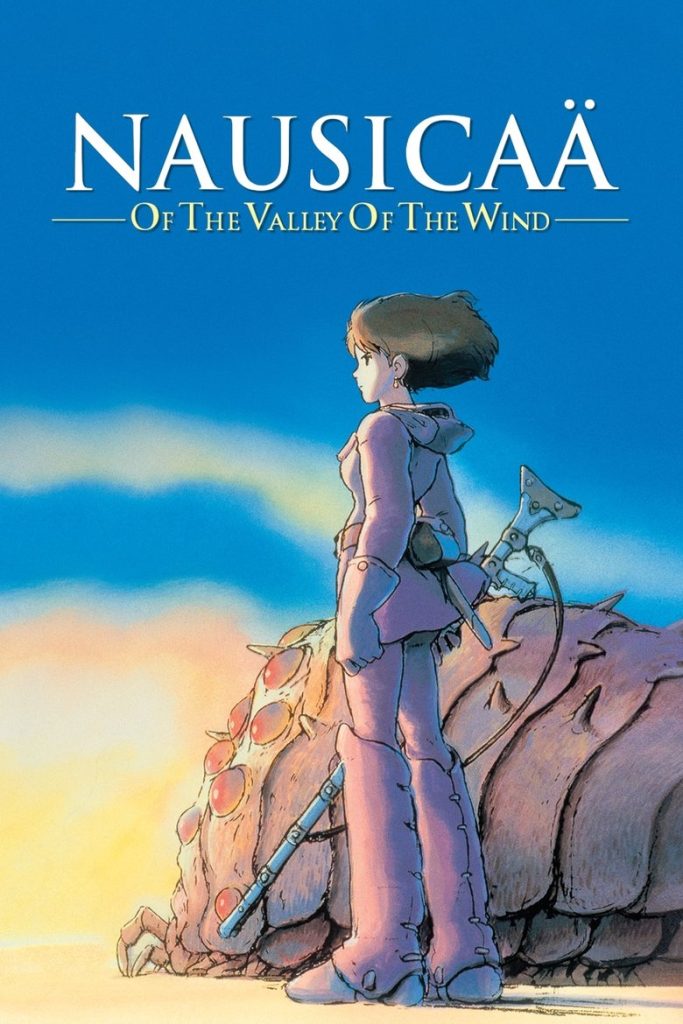
Story overview
In a post-apocalyptic world, a young princess named Nausicaä leads her peaceful valley community in a struggle to survive amidst a toxic jungle and giant insects. The film explores themes of environmental balance, war, and humanity's relationship with nature. Nausicaä demonstrates courage and compassion as she seeks to understand the mysterious ecosystem and prevent further destruction.
Parent Guide
An environmentally-themed animated adventure with moderate peril and emotional moments suitable for most children 8 and up.
Content breakdown
Fantasy violence including battles, destruction, characters in peril, and some injuries. No graphic blood or gore.
Large insects, toxic environments, scenes of destruction, and tense confrontations may be intense for sensitive viewers.
No offensive language noted.
No sexual content or nudity.
No substance use depicted.
Themes of loss, environmental destruction, and war create emotional weight. Characters show strong emotions during conflicts.
Parent tips
This animated fantasy adventure contains moderate peril and emotional intensity that may be challenging for younger viewers. There are scenes of conflict, destruction, and characters in danger that could be upsetting. The environmental themes and depictions of a poisoned world provide opportunities to discuss ecological responsibility and peaceful conflict resolution.
Parent chat guide
Parent follow-up questions
- What was your favorite flying scene?
- How did Nausicaä help the animals?
- What colors did you see in the forest?
- Why was the forest dangerous?
- How did Nausicaä show bravery?
- What did you learn about taking care of nature?
- What message does the film have about war?
- How did different characters view the toxic forest?
- What leadership qualities did Nausicaä demonstrate?
- How does the film explore environmental ethics?
- What parallels exist between the film's conflicts and real-world issues?
- How does the animation style contribute to the storytelling?
🎭 Story Kernel
At its core, 'Nausicaä of the Valley of the Wind' explores humanity's relationship with nature through the lens of ecological collapse and regeneration. The film rejects simple good-versus-evil narratives—the Ohmu aren't monsters to be slain, but guardians of a poisoned world. Nausicaä's journey reveals that true heroism lies in empathy and understanding rather than domination. The Valley's survival depends on coexisting with the Toxic Jungle, not conquering it. This theme culminates in the revelation that the jungle is actually purifying the polluted earth, making the human attempts to burn it down tragically misguided acts of self-destruction.
🎬 Visual Aesthetics
Miyazaki's visual language creates a world that feels simultaneously beautiful and threatening. The Toxic Jungle's fungal forests glow with bioluminescent blues and greens, creating an ethereal beauty that contrasts with its deadly spores. The Ohmu's design—massive insectoid creatures with countless blue eyes—evokes both terror and wonder. Action sequences use dynamic camera movements that follow Nausicaä's glider with fluid grace, while the climactic stampede employs overwhelming scale to convey nature's power. The color palette shifts from the warm earth tones of the Valley to the sickly yellows of the polluted lands, visually reinforcing the environmental themes.
🔍 Details & Easter Eggs
💡 Behind the Scenes
Originally released in 1984, this film established many themes Miyazaki would explore throughout his career. The production faced significant challenges—studio Topcraft was on the verge of bankruptcy during production, and the film was completed with a modest budget by today's standards. Interestingly, the English dub released in the 1980s (titled 'Warriors of the Wind') was heavily edited and shortened, removing much of the environmental messaging. Miyazaki was so displeased with this version that he reportedly sent a samurai sword to the American distributors with a note saying 'No cuts.' This incident contributed to Studio Ghibli's famous 'no edits' policy for international releases.
Where to watch
Choose region:
- HBO Max
- HBO Max Amazon Channel
- Amazon Video
- Apple TV
- Google Play Movies
- YouTube
- Fandango At Home
Trailer
Trailer playback is unavailable in your region.