Nawi (2024)
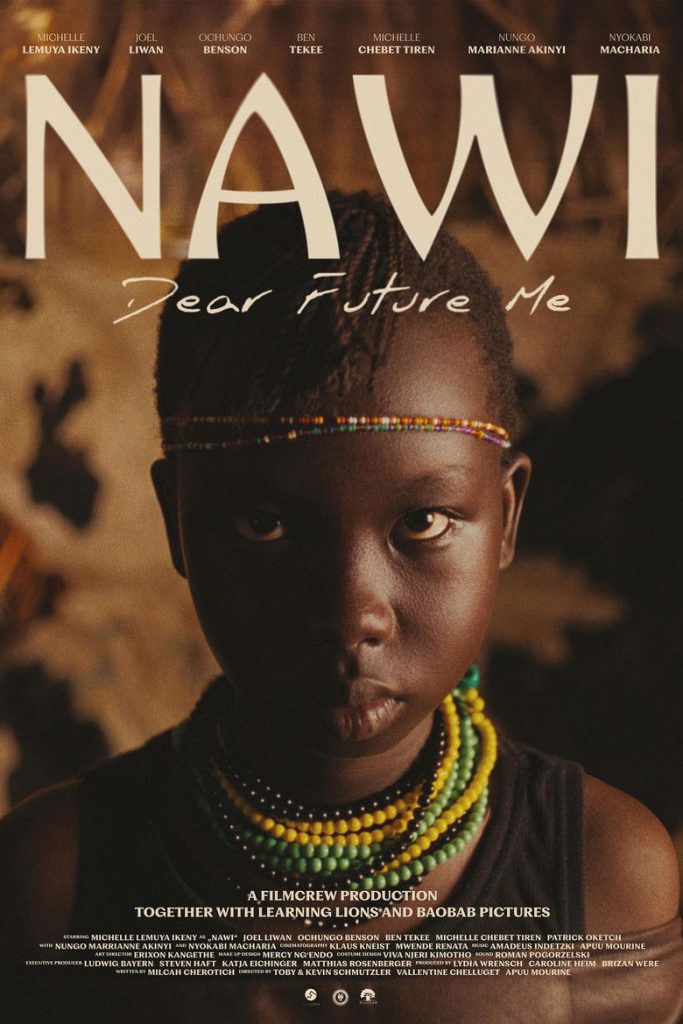
Story overview
In the remote Turkana region of Kenya, 13-year-old Nawi dreams of pursuing higher education, but her aspirations are threatened when her father arranges her marriage to a stranger in exchange for livestock, forcing her to confront cultural traditions and her own future.
Parent Guide
A thoughtful drama about a young girl's struggle against cultural traditions, suitable for mature children who can handle emotional themes.
Content breakdown
No physical violence shown, but there is emotional peril as Nawi faces forced marriage and family conflict.
Themes of child marriage and loss of educational opportunities may be disturbing to sensitive viewers.
No offensive language noted; dialogue is in Swahili with possible subtitles.
No sexual content or nudity; the marriage arrangement is discussed but not depicted.
No substance use shown.
High emotional intensity due to Nawi's distressing situation and family tensions.
Parent tips
This drama addresses child marriage, cultural expectations, and gender inequality. It may prompt discussions about education rights, family pressure, and resilience. The film portrays emotional distress but no graphic violence.
Parent chat guide
Parent follow-up questions
—
- How did Nawi feel when she couldn't go to school?
- Why do you think her father wanted her to get married?
- What would you do if you were in Nawi's situation?
- How does the film show the importance of education?
- What cultural differences did you notice?
- How does the film address gender inequality in traditional societies?
- What are the ethical implications of arranged marriage for minors?
- How does Nawi's story reflect real-world issues in some communities?
🎭 Story Kernel
Nawi delves into the systemic pressures of the Turkana community, where the intersection of poverty and tradition creates a precarious reality for young girls. The film is not merely a critique of early marriage but a nuanced exploration of the bride price economy. It portrays the internal conflict of a father driven by the survival of his family and a daughter driven by the survival of her soul through education. The narrative underscores the cyclical nature of cultural practices, questioning whether progress can coexist with heritage. It is a story of resilience, highlighting the quiet rebellion of a girl who refuses to be a commodity in a transaction dictated by drought and desperation. The film successfully balances the weight of social commentary with a deeply personal coming-of-age journey.
🎬 Visual Aesthetics
The cinematography captures the raw, unfiltered beauty of the Turkana landscape, turning the arid environment into a silent antagonist. The vast, open horizons symbolize both the potential of Nawi’s dreams and the isolation of her situation. There is a deliberate use of natural lighting that emphasizes the harshness of the sun, mirroring the unforgiving nature of the social structures depicted. The vibrant colors of the traditional Turkana shukas and intricate beadwork provide a stark visual contrast against the muted, dusty tones of the dry earth. This visual juxtaposition suggests a rich cultural identity that is simultaneously a source of communal pride and a restrictive cage for the protagonist. The camera often lingers on close-ups of faces, capturing the unspoken grief and determination of the characters.
🔍 Details & Easter Eggs
💡 Behind the Scenes
Nawi emerged as a significant winner at the 2024 Kalasha International Film and TV Awards, securing the title of Best Short Film. The production was a collaborative effort aimed at bringing authentic Northern Kenyan stories to the forefront of national cinema. Directors Vallentine Chelluget and Apuu Mourine focused on community-based storytelling, ensuring that the Turkana people were active participants in the narrative's construction. This grassroots approach helped the film achieve a level of cultural accuracy and emotional honesty rarely seen in mainstream depictions of pastoralist communities, highlighting the specific challenges of the region.
Where to watch
Streaming availability has not been announced yet.
Trailer
Trailer playback is unavailable in your region.