
N’Diangane (1975)
Story overview
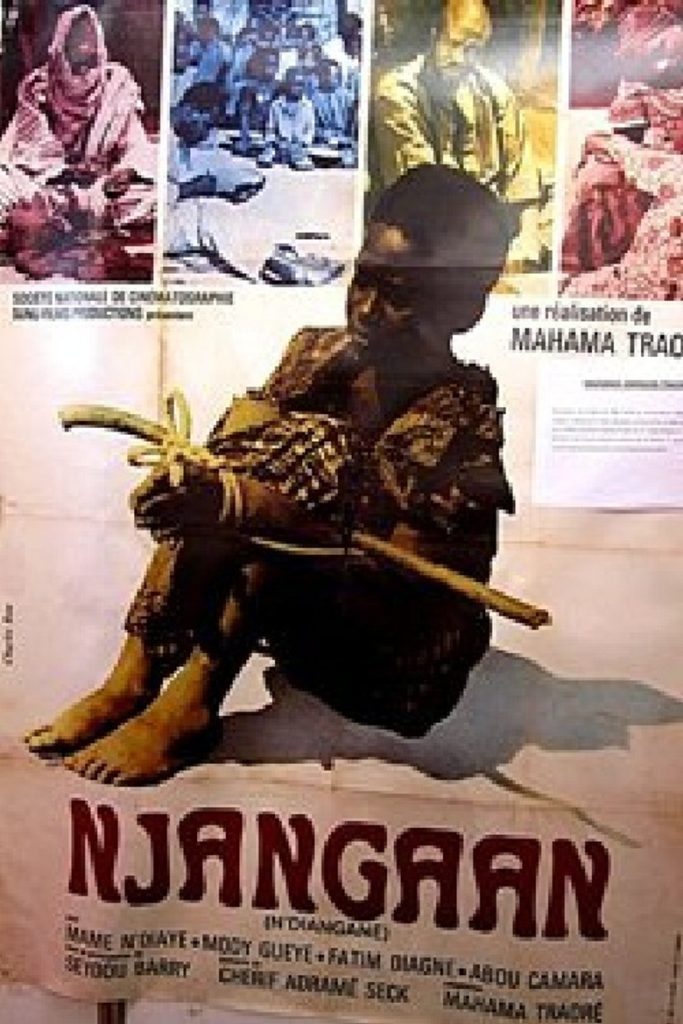
This 1975 Senegalese drama presents a critical examination of Koranic education through the tragic story of a young talibé (student) who is forced into begging by his teacher. The film explores themes of exploitation, poverty, and the harsh realities faced by children in certain educational systems.
Parent Guide
A serious drama dealing with mature themes of child exploitation and social critique. Not suitable for young children due to emotional intensity and disturbing situations.
Content breakdown
No physical violence shown, but psychological pressure and emotional peril as a child is forced to beg and faces harsh treatment from his teacher.
Disturbing themes of child exploitation, poverty, and emotional abuse. The situation of a young child being forced to beg and the overall critique of educational systems may be upsetting to sensitive viewers.
No problematic language noted. The film is in Wolof with subtitles.
No sexual content or nudity.
No substance use shown.
High emotional intensity due to themes of child exploitation, poverty, and the tragic circumstances of the main character. The film presents a bleak portrayal of a child's suffering.
Parent tips
This film contains mature themes about child exploitation and harsh educational practices that may be distressing for younger viewers. The portrayal of a child being forced to beg and the overall critique of religious education systems requires thoughtful discussion. Consider the emotional maturity of your child before viewing.
Parent chat guide
Parent follow-up questions
—
- Why was the boy begging? Was he hungry?
- What is a teacher supposed to do for children?
- How can we help children who don't have enough food?
- What do you think about the teacher making the boy beg?
- How does poverty affect children's education?
- What are some differences between this school and your school?
- What could have been done to help the boy in the story?
- What social and economic factors contribute to the exploitation shown in the film?
- How does the film critique traditional educational systems?
- What responsibility do societies have to protect vulnerable children?
- How does this film reflect post-colonial realities in Senegal?
- What ethical questions does the film raise about religious education?
Where to watch
Streaming availability has not been announced yet.