
Neon Genesis Evangelion: The End of Evangelion (1997)
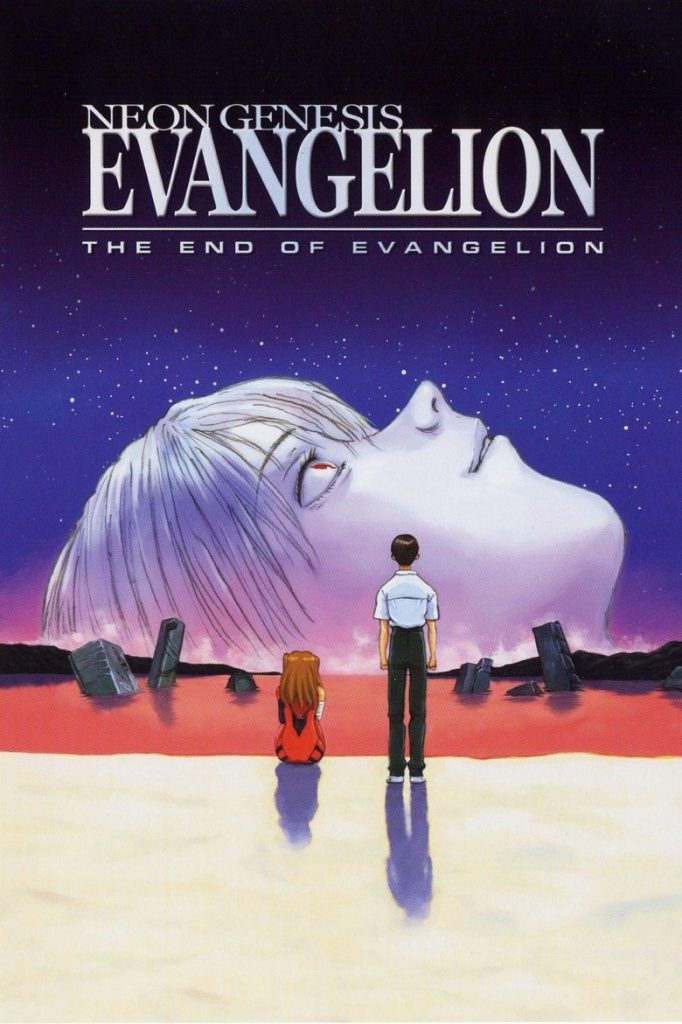
Story overview
This animated science fiction film depicts a climactic conflict where a secret organization attacks a research facility to prevent a controversial plan that could alter humanity's existence. The story centers on a young protagonist who faces immense psychological pressure as he grapples with decisions that will determine the future of humankind. The narrative explores themes of existential crisis, psychological trauma, and the consequences of human ambition through intense visual and emotional storytelling.
Parent Guide
This film contains intense mature themes, graphic violence, and psychological content suitable only for older teens and adults.
Content breakdown
Contains graphic violence including combat scenes, destruction, and intense peril situations with serious consequences.
Features disturbing psychological themes, existential horror, and intense imagery that may be frightening or unsettling.
Includes some strong language and emotionally charged dialogue consistent with intense situations.
Contains some sexual themes and partial nudity in symbolic or psychological contexts.
No notable substance use depicted.
Features high emotional intensity including psychological trauma, existential crisis, and profound character distress.
Parent tips
This film contains intense psychological themes, graphic violence, and disturbing imagery that make it unsuitable for younger audiences. The TV-MA rating reflects mature content including strong violence, frightening scenes, and complex existential themes that may be confusing or distressing for viewers not prepared for such material. Parents should be aware that this is not a typical animated film but rather a deeply philosophical and psychologically challenging work that deals with trauma, depression, and the nature of human existence.
Parent chat guide
Parent follow-up questions
- What colors did you see in the movie?
- Did you see any characters that looked friendly?
- What sounds did you hear?
- Was there anything that made you feel happy?
- What was your favorite part to watch?
- How did the movie make you feel?
- What do you think the characters were trying to do?
- Were there any parts that confused you?
- What would you do if you felt very worried like some characters?
- What did you notice about how the characters talked to each other?
- What themes or messages did you notice in the story?
- How did the characters handle difficult decisions?
- What did you think about the way conflict was shown?
- How do you think the animation style affected the story?
- What questions do you have after watching this?
- How did the film explore psychological themes like trauma or identity?
- What philosophical questions did the story raise about humanity?
- How did the visual style contribute to the emotional impact?
- What did you think about the portrayal of difficult choices and consequences?
- How might this film's themes relate to real-world situations or personal experiences?
🎭 Story Kernel
The film is fundamentally about the failure of human connection and the terrifying consequences of rejecting reality. Shinji's central conflict isn't about saving the world—it's his inability to bear the pain of authentic relationships. The Human Instrumentality Project becomes the ultimate escapist fantasy: dissolving individual consciousness to avoid the vulnerability of being known. Every character's motivation stems from this same terror—Misato's promiscuity, Asuka's aggression, Gendo's manipulation—all are flawed attempts to control intimacy. The ending's ambiguity forces viewers to confront whether Shinji's choice to return to individual existence represents growth or merely another form of cowardice.
🎬 Visual Aesthetics
The film's visual language creates deliberate cognitive dissonance. Early sequences employ documentary-style shaky cam and clinical white spaces during Instrumentality, contrasting violently with the grotesque, almost Lynchian body horror of the Eva series' final battles. The color palette shifts from the series' vibrant mecha anime aesthetic to desaturated grays and bloody reds during Asuka's brutal fight, then to sterile whites and surreal pinks during the metaphysical sequences. Hideaki Anno weaponizes animation itself—the infamous live-action sequence of empty Tokyo streets breaks the fourth wall, while the crude, almost unfinished pencil-sketch style during psychological breakdowns visually represents mental fragmentation.
🔍 Details & Easter Eggs
💡 Behind the Scenes
The film was created after the original TV ending sparked massive fan backlash, with some sending death threats to director Hideaki Anno. The notorious live-action sequence was shot guerilla-style in Tokyo's empty early morning streets without permits. Budget constraints forced creative solutions—the minimalist Instrumentality sequences were partly born from necessity. Anno incorporated fan criticism directly into the script, with characters literally discussing audience dissatisfaction during metaphysical sequences. The film's final scene was the last animation produced, completed just days before the theatrical premiere.
Where to watch
Choose region:
- Netflix
- Netflix Standard with Ads
- Amazon Video
- Apple TV
- Google Play Movies
- YouTube
- Fandango At Home