
Never Rarely Sometimes Always (2020)
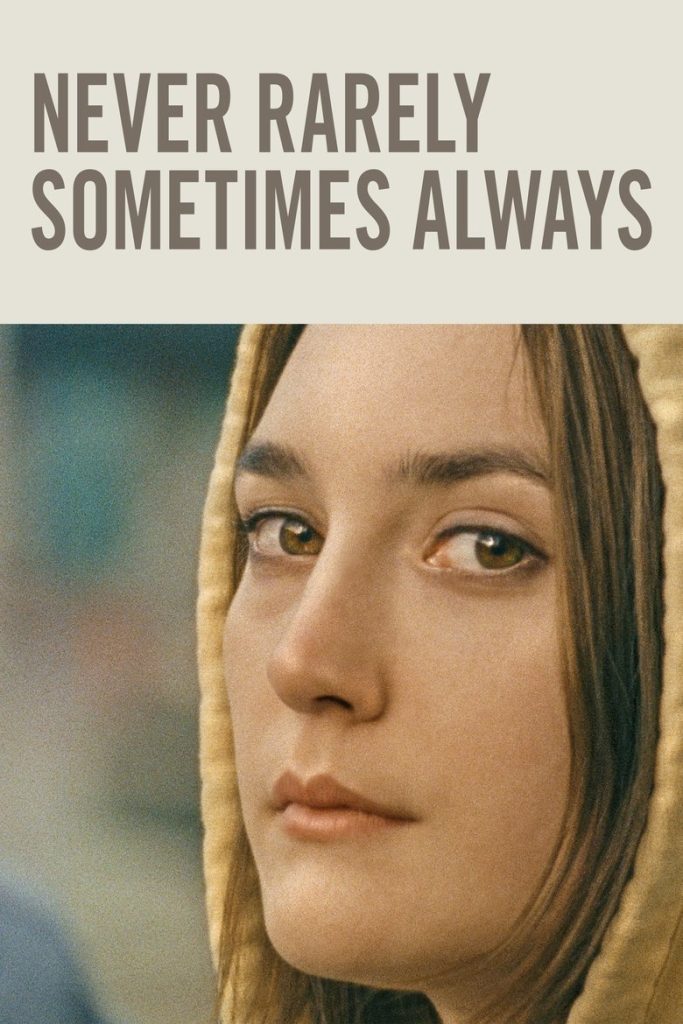
Story overview
Never Rarely Sometimes Always is a 2020 drama film that follows a teenage girl's journey as she faces a challenging personal situation. The story explores themes of friendship, resilience, and navigating difficult decisions while seeking support. It presents a realistic portrayal of emotional struggles and the bond between two young women.
Parent Guide
A serious drama with mature themes requiring parental discretion for younger viewers.
Content breakdown
Some tense situations and emotional distress, but no physical violence.
Emotionally intense scenes dealing with difficult life situations.
Occasional mild language appropriate for the PG-13 rating.
References to mature themes without explicit content.
No substance use depicted.
High emotional content dealing with serious personal challenges.
Parent tips
This PG-13 rated drama deals with mature themes that may require parental guidance for younger viewers. The film's emotional intensity and subject matter make it more suitable for older teens and adults. Parents should consider watching it first to determine if it's appropriate for their family.
Parent chat guide
Parent follow-up questions
- What did you notice about how the friends helped each other?
- How did the characters show they cared about each other?
- What colors or places did you see in the movie?
- How did the music make you feel?
- What was your favorite part of the story?
- How did the main character show bravery in the story?
- What challenges did the friends face together?
- Why is it important to have good friends when things are hard?
- How did the characters communicate their feelings?
- What did you learn about helping others?
- What difficult decisions did the characters have to make?
- How did the story show the importance of friendship during tough times?
- What emotions did you notice the characters experiencing?
- How did the film portray responsibility and consequences?
- What support systems did the characters have available?
- How did the film realistically portray teenage challenges?
- What societal issues does this story bring to light?
- How did the characters demonstrate resilience and growth?
- What ethical considerations did the story present?
- How does this film compare to other coming-of-age stories you've seen?
🎭 Story Kernel
The film expresses the profound isolation of navigating institutional barriers as a young woman in America, where autonomy is systematically eroded by bureaucracy, geography, and social judgment. Autumn's journey isn't driven by dramatic rebellion but by quiet, desperate pragmatism—she must solve a problem society pretends doesn't exist for girls like her. Every interaction becomes a transaction, every kindness conditional, revealing how poverty and patriarchy conspire to make basic healthcare feel like a covert mission. The film's power lies in what remains unsaid: the cumulative weight of small indignities that define her reality.
🎬 Visual Aesthetics
Director Eliza Hittman employs a stark, naturalistic visual language—handheld camerawork that feels less like documentary and more like intimate surveillance. The color palette is deliberately drained, dominated by grays, blues, and fluorescent lights that make Pennsylvania and New York feel equally oppressive. Scenes are framed with claustrophobic closeness, often focusing on Autumn's face or hands, making the viewer complicit in her vulnerability. The few wide shots emphasize her smallness against indifferent urban landscapes. Visual symbolism is subtle but potent: the repetitive scanning of grocery items mirrors how society processes young women's bodies as transactional objects.
🔍 Details & Easter Eggs
💡 Behind the Scenes
The film's title comes directly from the multiple-choice answers used in real-life sexual health clinic questionnaires. Director Eliza Hittman spent years researching abortion access, interviewing clinic staff and patients to ensure authenticity. Lead actors Sidney Flanigan and Talia Ryder had no prior professional acting experience—Flanigan was a musician Hittman discovered through a mutual friend, while Ryder was a high school student. The entire New York sequence was shot guerrilla-style with minimal permits to capture the authentic anxiety of being adrift in an unfamiliar city. The clinic counseling scene was filmed in one continuous take to preserve the raw emotional buildup.
Where to watch
Choose region:
- Peacock Premium
- YouTube TV
- Peacock Premium Plus
- Amazon Video
- Apple TV
- Google Play Movies
- YouTube
- Fandango At Home
Trailer
Trailer playback is unavailable in your region.