
Nixon by Nixon: In His Own Words (2014)
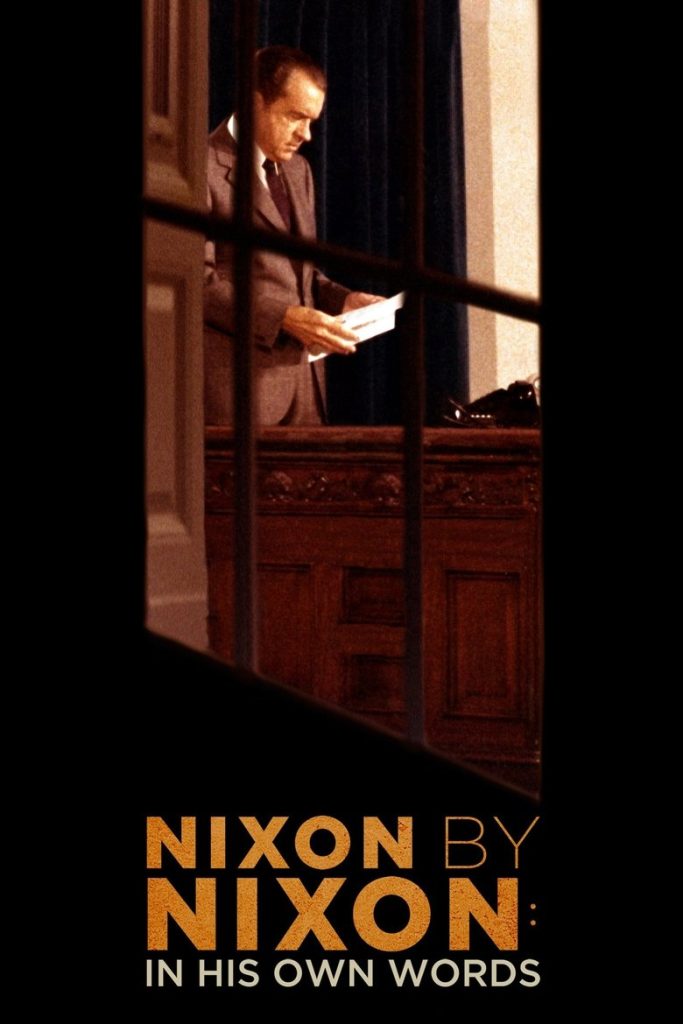
Story overview
This documentary explores the life and presidency of Richard Nixon through his own recorded words and archival footage. It focuses on his political career, key historical events like the Vietnam War and Watergate scandal, and his personal reflections. The film provides insight into one of America's most complex political figures using primary source material.
Parent Guide
Educational documentary suitable for mature children interested in history and politics. No concerning content but requires historical context.
Content breakdown
No violent scenes depicted. Historical discussions of war are presented factually without graphic descriptions.
No frightening imagery. Discussions of political scandal and resignation are presented historically.
No offensive language noted in typical documentary presentation.
No sexual content or nudity present.
No depiction of substance use.
Some emotional weight in discussions of political downfall and historical consequences, but presented in documentary style.
Parent tips
This historical documentary deals with mature political themes including presidential misconduct, war, and resignation. While there's no graphic content, younger children may find the political discussions confusing or boring. The film presents complex historical events that require context to understand fully.
Parents should be prepared to discuss American political history, the concept of accountability for leaders, and how historical events are documented. The film's focus on audio recordings and archival footage makes it more educational than entertaining for younger audiences.
Parent chat guide
You might explore how technology (like the recordings featured) changes how we understand history and leadership. Consider discussing what qualities make a good leader and how people can learn from past mistakes.
Parent follow-up questions
- What did you notice about the people talking in the movie?
- What colors or pictures did you see?
- How did the voices sound to you?
- What do you think a president does?
- Why do you think people record important conversations?
- What does it mean to be a leader?
- Why is it important to learn about past presidents?
- How can recordings help us understand history better?
- What responsibilities do leaders have to the people they serve?
- How does access to private recordings change our understanding of historical figures?
- What ethical considerations exist when examining a leader's private thoughts?
- How do different historical interpretations develop about the same events?
🎭 Story Kernel
The film isn't about Nixon's political career but about his compulsive need to document and control his own narrative. Through the White House tapes, we witness a man who believed recording conversations would protect his legacy, yet these very recordings became the evidence of his paranoia, insecurity, and eventual undoing. The driving force isn't political ambition but psychological compulsion—Nixon's desperate attempt to prove his intelligence and worth to history, even as he reveals his darkest flaws. The movie explores how self-documentation can become self-incrimination when the subject lacks self-awareness.
🎬 Visual Aesthetics
The visual approach is deliberately archival and claustrophobic. Director Peter Kunhardt uses tight close-ups on photographs and documents, creating a sense of being trapped in the past. The color palette is muted—sepia tones for historical footage, stark black-and-white for photographs—emphasizing the documentary nature. Most striking is the absence of reenactments; instead, we see the actual tape recorders, the physical reels turning, making the technology itself a character. The camera lingers on Nixon's handwritten notes in the margins of transcripts, revealing his obsessive annotations and corrections.
🔍 Details & Easter Eggs
💡 Behind the Scenes
The documentary uses exclusively Nixon's own voice from the White House tapes—no narration or interviews. Director Peter Kunhardt gained unprecedented access to the Nixon Library's audio collection, including tapes that weren't released until 2013. The most challenging production aspect was audio restoration; some tapes had deteriorated over 40 years. Interestingly, the film's editor noted that Nixon's speech patterns became increasingly fragmented and repetitive on the tapes as the Watergate crisis deepened, something they emphasized through careful audio editing.
Where to watch
Choose region:
- HBO Max
- HBO Max Amazon Channel
- Amazon Video
- Apple TV
- Google Play Movies
- YouTube
- Fandango At Home
Trailer
Trailer playback is unavailable in your region.