
Nobody Knows I’m Here (2020)
Story overview
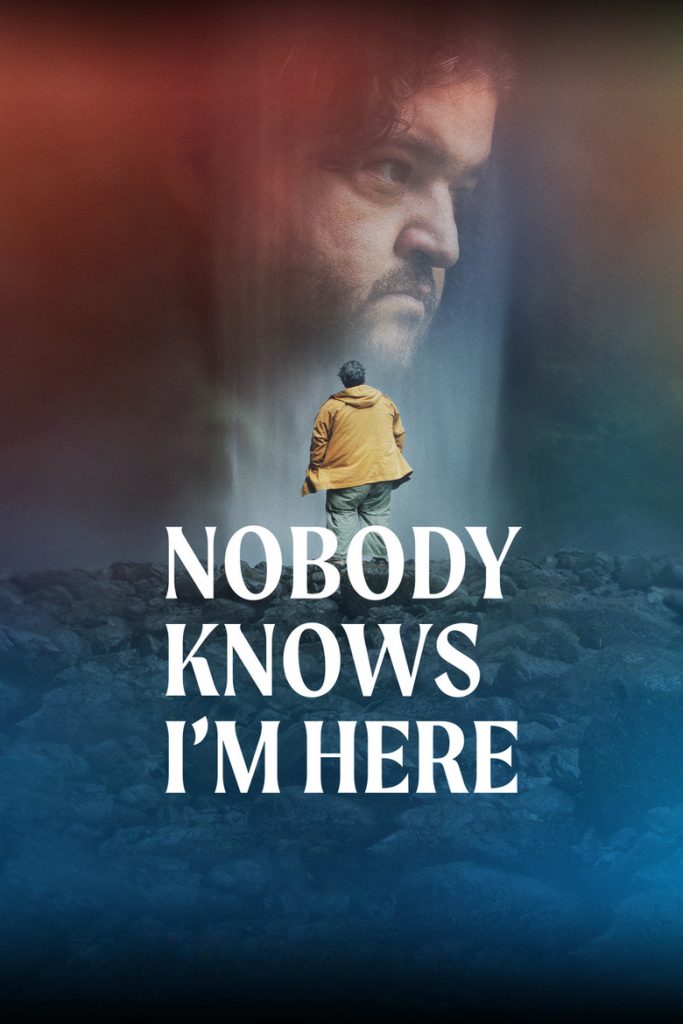
This Chilean drama follows Memo, a recluse living on a remote sheep farm who hides a remarkable singing voice from the world. Haunted by past memories and with a secret flair for glittery self-expression, his isolated existence is challenged when someone finally discovers his hidden talent, forcing him to confront what he's been avoiding.
Parent Guide
A contemplative character study about isolation, artistic expression, and confronting the past. While lacking explicit content, its emotional depth and mature themes require some life experience to fully appreciate.
Content breakdown
No physical violence, fights, or perilous situations. The tension is entirely emotional and psychological.
Some emotionally heavy moments as Memo deals with past regrets and isolation. The remote setting creates a melancholic atmosphere, but nothing is frightening or shocking.
Minimal strong language. Possibly some mild expressions in Spanish, but nothing aggressive or frequent.
No sexual content, nudity, or romantic situations. The focus is entirely on personal and artistic expression.
No depiction of alcohol, drugs, or smoking. Characters drink water or other non-alcoholic beverages in social scenes.
Significant emotional weight as the protagonist grapples with isolation, unexpressed talent, and past regrets. The film creates a poignant atmosphere that may resonate deeply with sensitive viewers.
Parent tips
This thoughtful drama deals with themes of isolation, self-acceptance, and artistic expression. While there's no graphic content, the emotional weight and mature themes make it more suitable for older children and teens who can appreciate character-driven stories. The TV-MA rating primarily reflects the emotional complexity rather than explicit content.
Parent chat guide
Parent follow-up questions
—
- What did you think about Memo's singing?
- Why do you think Memo lived alone on the farm?
- How did you feel when someone found out about his voice?
- What do you think Memo was afraid of by hiding his voice?
- How does the film show the importance of being true to yourself?
- What role does the remote setting play in the story?
- How does the film explore the tension between artistic expression and social isolation?
- What commentary does it make about fame versus authentic self-expression?
- How does Memo's past trauma shape his present choices and relationships?
🎭 Story Kernel
The film explores the suffocating weight of manufactured identity versus the desperate human need for authentic recognition. Memo is driven not by ambition for stardom, but by a profound, almost primal, need to be seen for who he truly is—not the polished pop star Jorge, but the vulnerable man with a beautiful voice he was forced to hide. His journey is a quiet rebellion against the commodification of self, where his act of finally singing in his own voice becomes a radical reclamation of personhood. The core tension isn't about achieving fame, but about the existential crisis of existing as a ghost in your own life, a product with the soul scraped out.
🎬 Visual Aesthetics
The visual language is one of claustrophobic intimacy and muted melancholy. Director Gaspar Antillo uses tight, lingering close-ups on Jorge's face, trapping us in his isolation. The Chilean island setting is captured in overcast grays and cool blues, mirroring his internal stagnation, with bursts of warm, artificial light only during his nostalgic VHS flashbacks or his clandestine karaoke sessions. The camera often observes him from behind windows or through doorways, visually reinforcing his status as an observer of his own life. The final, raw performance is shot with a trembling, unadorned realism, starkly contrasting the slick, empty music video aesthetics of his past.
🔍 Details & Easter Eggs
💡 Behind the Scenes
The film is inspired by the real-life story of Chilean singer Sergio Lagos, who experienced a similar trajectory of early, manipulated fame. Actor Jorge García, who plays Memo, is a well-known Chilean singer in real life, adding a layer of meta-authenticity to the performance. Much of the film was shot on location in Chiloé, an archipelago in southern Chile known for its misty, melancholic landscapes, which profoundly shaped the film's atmospheric tone. Director Gaspar Antillo reportedly had García perform his songs live on set to capture the most genuine physical and emotional reactions.
Where to watch
Choose region:
- Netflix
- Netflix Standard with Ads
Trailer
Trailer playback is unavailable in your region.