
North by Northwest (1959)
Story overview
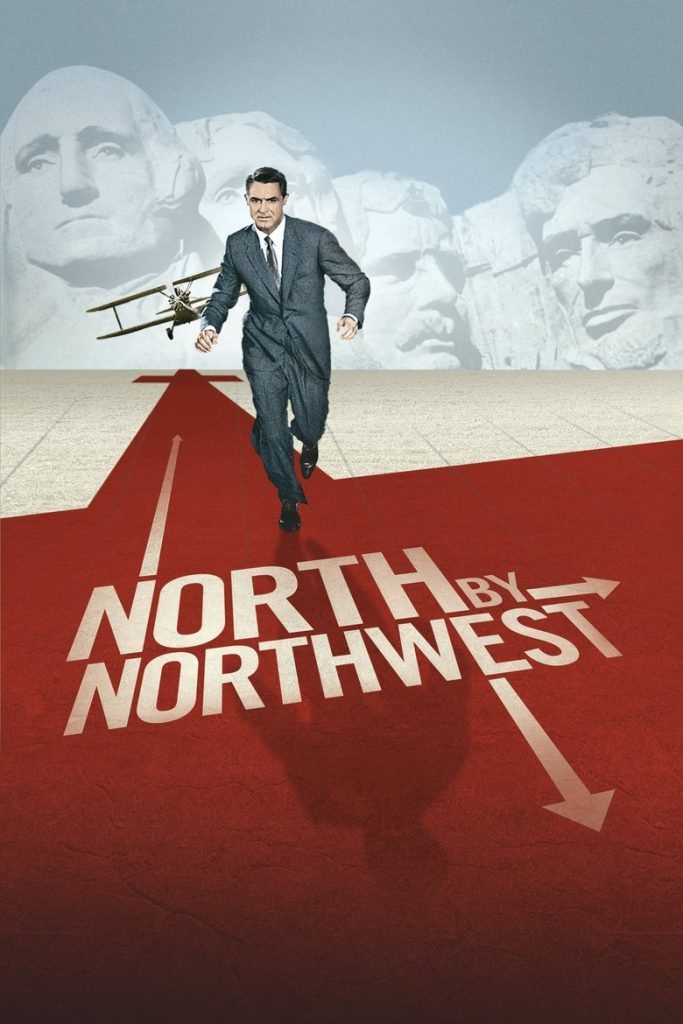
North by Northwest is a classic suspense film where an ordinary advertising executive is mistakenly identified as a government agent. This case of mistaken identity plunges him into a dangerous cross-country adventure as he tries to clear his name while being pursued by mysterious operatives. The film combines thrilling chase sequences with clever plot twists as the protagonist navigates this unexpected predicament.
Parent Guide
A classic suspense thriller with chase sequences and peril that may be intense for younger viewers, best suited for ages 10+ with parental guidance.
Content breakdown
Contains chase scenes, implied threats, and perilous situations including a famous sequence on Mount Rushmore. No graphic violence shown.
Suspenseful sequences and constant threat create tension. Scenes of pursuit and implied danger might be intense for sensitive viewers.
Occasional mild expressions typical of 1950s films. No strong profanity.
Some romantic tension and suggestive dialogue. Brief kissing scenes. No nudity.
Social drinking in several scenes. Characters shown with cocktails and at bars.
Constant suspense and threat create sustained tension. The protagonist's desperate situation generates emotional engagement.
Parent tips
This Hitchcock thriller contains suspenseful sequences and perilous situations that might be intense for younger viewers. While there's no graphic violence, the constant threat and chase scenes create tension. The film's sophisticated plot and pacing might be challenging for children under 8 to follow.
Parents should note that while this is a classic film, it contains scenes of implied danger including a famous sequence on Mount Rushmore. The film also includes some mild romantic tension and brief alcohol consumption in social settings.
Parent chat guide
During viewing, pause if children seem anxious about chase scenes or tense moments. Remind them this is a story with a clear hero and that the film was made long ago with different filmmaking techniques.
After watching, talk about how the character handled being in a difficult situation. Discuss the importance of perseverance and problem-solving when facing challenges.
Parent follow-up questions
- What was your favorite part of the movie?
- How did the man feel when people were chasing him?
- What would you do if someone thought you were someone else?
- Did you see any cars or trains in the movie?
- Was the movie exciting or scary?
- Why do you think the bad guys chased the main character?
- What made this movie exciting or suspenseful?
- How did the main character try to solve his problem?
- What would you do if you were mistaken for someone else?
- Did you notice how the music added to the excitement?
- What does 'mistaken identity' mean in this story?
- How did the main character show courage in difficult situations?
- What clues helped you understand what was happening in the story?
- How does this older movie compare to modern thrillers you've seen?
- What would you have done differently in the main character's situation?
- What themes about trust and deception did you notice in the film?
- How does Hitchcock build suspense without graphic violence?
- What commentary might the film be making about appearances versus reality?
- How does the film's 1950s setting affect the story and characters?
- What film techniques did you notice that were effective in creating tension?
🎭 Story Kernel
At its core, 'North by Northwest' explores the terrifying fluidity of identity in modern society. Roger Thornhill isn't just mistaken for someone else—he's stripped of his entire existence and forced to construct a new self from scratch. The film suggests that identity is less about who we are than who others perceive us to be. Thornhill's journey from arrogant ad executive to fugitive to reluctant hero reveals how crisis can forge authenticity. The characters are driven by primal needs: Thornhill by survival and redemption, Vandamm by power, Eve by survival and love. Even the government agents treat Thornhill as expendable, showing how institutions prioritize agendas over individuals.
🎬 Visual Aesthetics
Hitchcock's visual language here is a masterclass in spatial disorientation. The famous crop-duster sequence uses the vast, empty prairie to create profound vulnerability—the wide shots make Thornhill appear microscopic against an indifferent landscape. The Mount Rushmore climax employs vertiginous angles that turn national monuments into instruments of terror. The color palette shifts from the cool grays of corporate New York to the warm earth tones of the Midwest, mirroring Thornhill's journey from superficiality to authenticity. Notice how the camera often isolates characters in frames within frames (windows, doorways), visually trapping them in their circumstances.
🔍 Details & Easter Eggs
💡 Behind the Scenes
Cary Grant was 55 during filming but performed most of his own stunts, including hanging from Mount Rushmore (actually a soundstage replica). The crop-duster scene was filmed near Bakersfield, California, with Hitchcock insisting no music—just the terrifying silence of the plains. Eva Marie Saint's costumes were designed by Hitchcock himself to emphasize her character's sophistication and vulnerability. The United Nations scene caused diplomatic issues—they refused filming permission, so Hitchcock shot the exterior with hidden cameras and built an exact replica interior.
Where to watch
Choose region:
- Amazon Video
- Apple TV
- Google Play Movies
- YouTube
- Fandango At Home
- Spectrum On Demand
- Tubi TV
Trailer
Trailer playback is unavailable in your region.