
Notes for My Son (2020)
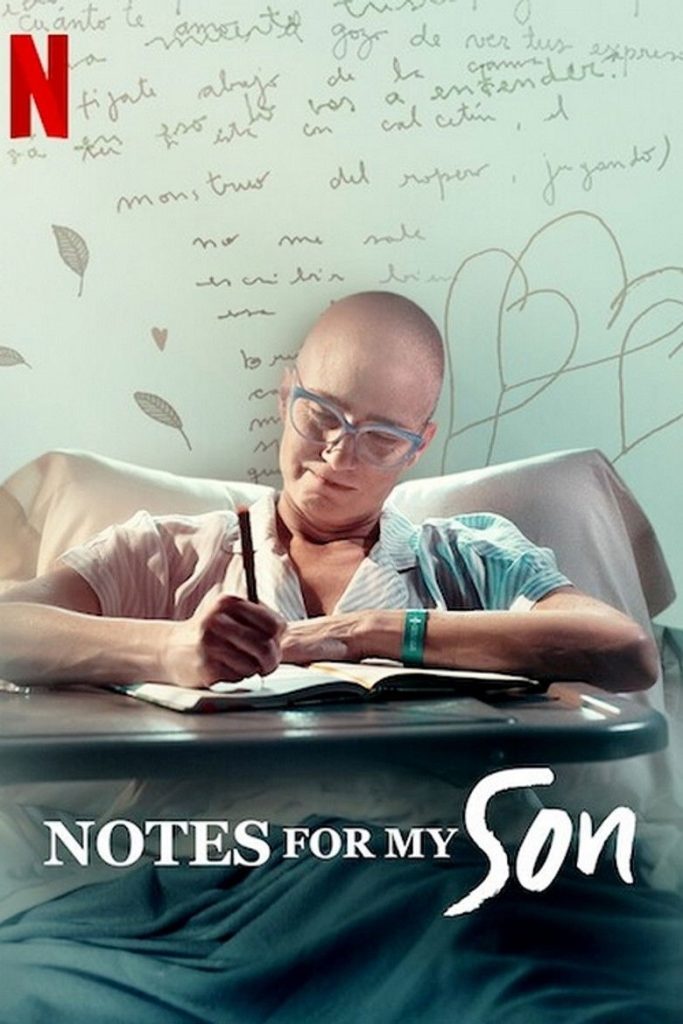
Story overview
Notes for My Son is a 2020 drama film rated TV-MA. The story likely explores emotional themes and personal relationships, given its genre classification. Without specific plot details, it's best approached as a mature drama that may deal with complex human experiences.
Parent Guide
TV-MA rated drama requiring parental guidance for mature content.
Content breakdown
Dramas may contain tense situations or conflicts.
Emotional themes in dramas can be intense.
TV-MA rating suggests potential for strong language.
TV-MA rating may include mature sexual content.
Dramas sometimes depict substance use realistically.
Drama genre typically involves deep emotional exploration.
Parent tips
This film carries a TV-MA rating, indicating it's intended for mature audiences only. Parents should preview the content before considering it for older teenagers. The drama genre suggests potential for emotionally intense themes that may require discussion.
Parent chat guide
Parent follow-up questions
- What colors did you see in the movie?
- Did you hear any music you liked?
- What was your favorite part to watch?
- How did the movie make you feel?
- Would you like to watch it again?
- What was the main problem in the story?
- How did the characters help each other?
- What did you learn from this movie?
- Which character did you relate to most?
- What would you do differently than the characters?
- What themes did you notice in this drama?
- How did the characters grow or change?
- What realistic situations did the film show?
- How did the movie handle emotional moments?
- What message do you think the filmmaker wanted to share?
- How does this film portray mature relationships?
- What societal issues might this drama be commenting on?
- How effective was the emotional storytelling?
- What did you think about the character development?
- How does this film compare to other dramas you've seen?
🎭 Story Kernel
The film's core is not about dying from cancer, but about the desperate, creative act of building a legacy from absence. The father, Alejandro, is driven by the terror of being forgotten, of becoming a ghost in his son's life before he's even gone. His compulsion to record mundane advice—how to shave, how to tie a tie—is a profound rebellion against his erasure. It transforms paternal duty into an existential project: if he cannot be present, he will become a voice in his son's head, a manual for a life he won't witness. The mother's journey is equally driven by the need to curate this inheritance, deciding what fragments of a fading man will shape their boy's future.
🎬 Visual Aesthetics
The cinematography masterfully uses shallow focus and close-ups to create a world that is physically closing in on Alejandro. The color palette drains as his health declines, moving from warm, saturated home videos and flashbacks to a sterile, blue-tinged present in hospitals and quiet rooms. The camera often lingers on hands—his shaky ones writing notes, his wife's steady ones holding his, his son's small ones exploring. This visual language emphasizes touch, connection, and the tangible transfer of memory. The home video segments are not nostalgic but urgent, presented as raw data being archived for future use.
🔍 Details & Easter Eggs
💡 Behind the Scenes
The film is based on the real-life experience of director and co-writer Carlos Sorin, who channeled his own fears and reflections on fatherhood into the script. Notably, many of the 'notes' filmed were actually written by Sorin himself during the production, blurring the line between fiction and personal document. The young actor playing the son, Renato Quattordio, was often not given the full emotional context of scenes to capture more natural, confused reactions to his on-screen father's condition. Principal photography took place in Buenos Aires, using natural light in domestic settings to heighten the intimate, diary-like feel.
Where to watch
Choose region:
- Netflix
- Netflix Standard with Ads