Nowhere (2023)
Story overview
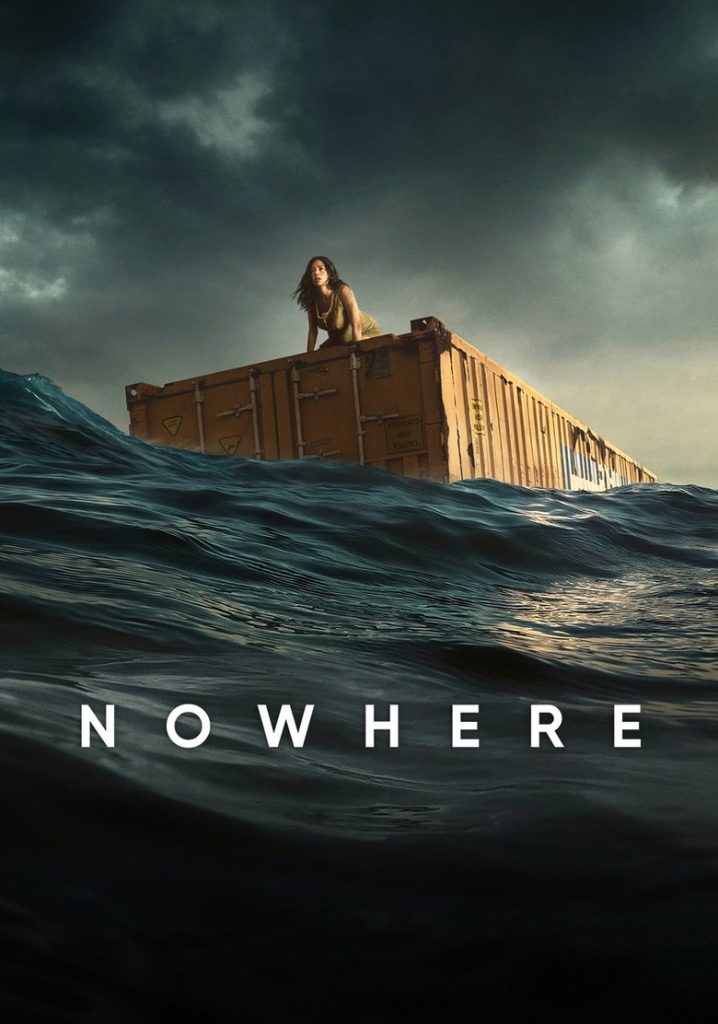
Nowhere is a 2023 thriller drama rated TV-MA. The film follows a suspenseful narrative that explores intense emotional situations and dramatic tension. As a thriller, it likely involves elements of danger, psychological stress, and high-stakes scenarios. The TV-MA rating indicates content suitable only for mature audiences.
Parent Guide
TV-MA rated thriller drama with mature content unsuitable for children. Requires parental guidance for older teens.
Content breakdown
Thriller genre suggests suspenseful situations and potential danger
Psychological tension and dramatic intensity expected
TV-MA rating may include strong language
TV-MA rating may include sexual content
TV-MA rating may include substance references
Drama and thriller genres typically involve high emotional stakes
Parent tips
This film is rated TV-MA, meaning it's intended for mature audiences only and may contain content unsuitable for children under 17. Given the thriller and drama genres, expect intense scenes involving peril, psychological tension, and potentially disturbing themes. Parents should preview this content before considering it for any younger viewers, as the mature rating suggests significant adult content.
Parent chat guide
Parent follow-up questions
- What makes you feel safe when you watch something scary?
- How do you know when something on TV is make-believe?
- What would you do if you felt scared during a movie?
- Who can you talk to if a movie makes you feel worried?
- What are some happy things we can watch together instead?
- What parts of movies sometimes make you feel nervous?
- How can you tell if a movie is meant for grown-ups?
- What do you do when you see something in a movie that seems too intense?
- Why do you think some movies have age ratings?
- What makes a movie exciting without being too scary?
- How do filmmakers create suspense in thrillers?
- What's the difference between realistic danger and movie danger?
- How do characters in dramatic films handle difficult situations?
- Why might some content be inappropriate for younger viewers?
- What can we learn from how characters face challenges in movies?
- How does this thriller explore human psychology under pressure?
- What techniques create emotional intensity in dramatic films?
- How do mature themes in films reflect real-world situations?
- What responsibility do filmmakers have when depicting intense content?
- How can viewers process disturbing themes in thoughtful ways?
🎭 Story Kernel
At its core, Nowhere is a visceral exploration of the primal instinct to protect life amidst total systemic collapse. While the dystopian backdrop of a resource-depleted Spain provides the initial impetus for Mia’s journey, the narrative quickly sheds its political skin to become a raw, elemental struggle. It expresses the terrifying isolation of grief and the transformative power of motherhood. Mia isn't just fighting the ocean; she is battling the crushing weight of her past failures, specifically the loss of her first daughter. The film posits that survival is not merely a physical act of endurance but a psychological reclamation of purpose. By stripping away every societal safety net, Pintó forces the protagonist—and the audience—to confront the sheer, bloody-minded will required to sustain life when the world has effectively declared it redundant.
🎬 Visual Aesthetics
Albert Pintó utilizes the shipping container as both a coffin and a womb, employing tight, suffocating close-ups that emphasize Mia’s physical confinement. The cinematography by Unax Mendia creates a jarring contrast between the rusted, industrial interior of the container and the indifferent, infinite blue of the Atlantic. The lighting evolves from the harsh, artificial shadows of the initial escape to a more organic, yet lethal, shimmer as water begins to dominate the frame. Symbolically, the container represents a fragment of a broken civilization adrift in a natural world that is neither hostile nor friendly, simply vast. The visual progression—from the container being a solid fortress to a leaking sieve—mirrors Mia’s own psychological breakdown and eventual reconstruction, using the limited color palette of rust-orange and deep-sea teal to heighten the sense of inescapable peril.
🔍 Details & Easter Eggs
💡 Behind the Scenes
To achieve the necessary realism, lead actress Anna Castillo underwent an intense physical transformation and spent weeks filming in a massive water tank at the studios in Spain. Director Albert Pintó, known for his work on high-octane series like Money Heist and Sky Rojo, aimed for a hyper-realistic tone, avoiding CGI where possible to ensure the actress's reactions to the cold and water were genuine. The film became a massive global hit for Netflix, ranking as one of its most-watched non-English language films. The production meticulously researched survival mechanics to ensure Mia's use of the cargo was plausible.
Where to watch
Choose region:
- Netflix
- Netflix Standard with Ads
Trailer
Trailer playback is unavailable in your region.