
Obi-Wan Kenobi: A Jedi’s Return (2022)
Story overview
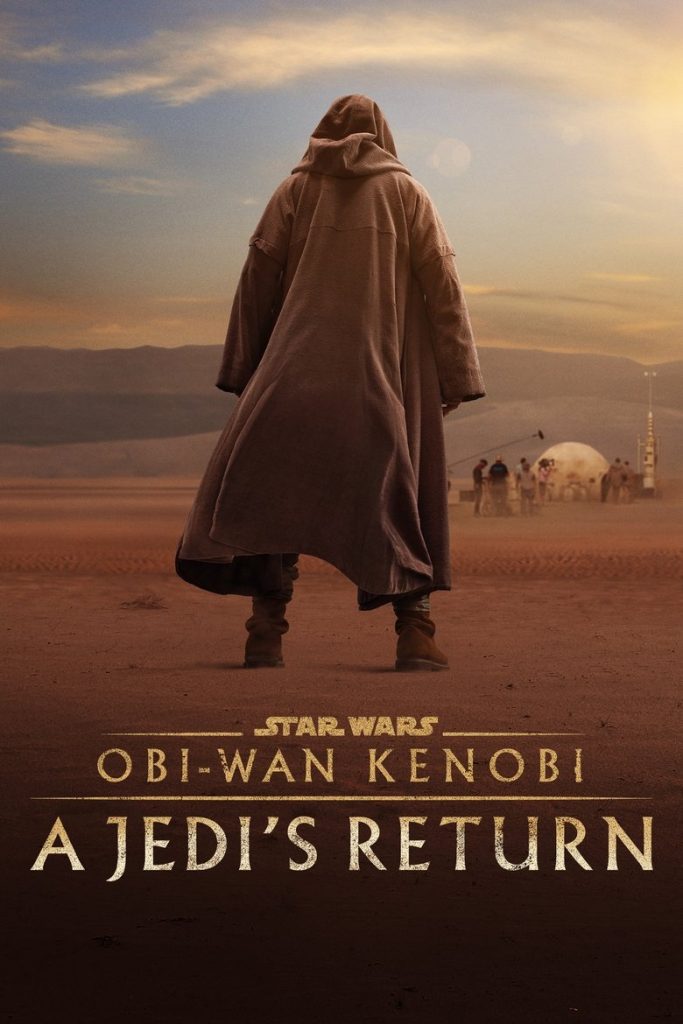
This documentary special provides a behind-the-scenes look at the making of the Obi-Wan Kenobi series, focusing on the return of iconic Star Wars characters and actors to their roles. It explores the creative process, character development, and production challenges, offering insights into how the story bridges the Star Wars saga films. Suitable for families interested in filmmaking and Star Wars lore.
Parent Guide
A safe, educational documentary suitable for all ages, with no concerning content. Ideal for Star Wars fans and those interested in filmmaking.
Content breakdown
No violence or peril depicted; focuses on production discussions and interviews.
Nothing scary or disturbing; content is factual and behind-the-scenes.
No offensive language; professional and family-appropriate dialogue.
No sexual content or nudity.
No depiction or discussion of substance use.
Mild emotional moments may include actors discussing their emotional connection to roles or the significance of returning to Star Wars, but nothing intense.
Parent tips
This documentary is family-friendly and focuses on film production rather than fictional action. It may interest children familiar with Star Wars, but younger viewers might find discussions of production details less engaging. No concerning content is present, making it safe for all ages with parental guidance for very young children who may need context.
Parent chat guide
Parent follow-up questions
- What was your favorite part of the show?
- Can you name any characters you saw?
- Do you like watching how movies are made?
- What did you learn about making the Obi-Wan Kenobi series?
- How do you think actors prepare for their roles?
- Why is it special when actors return to play characters after a long time?
- How does this documentary show the challenges of continuing a famous story?
- What aspects of filmmaking seemed most interesting to you?
- How do you think the creators balanced new ideas with fan expectations?
- How does this documentary highlight the evolution of the Star Wars franchise?
- What insights did it provide about the creative decisions behind character development?
- How might this behind-the-scenes look influence your view of film production as an art form?
🎭 Story Kernel
The series isn't a heroic comeback but a study in trauma and survival. Obi-Wan's journey isn't about reclaiming Jedi glory—it's about learning to live with failure. His motivation shifts from self-preservation to protecting Luke's future, mirroring Anakin's corruption through fear of loss. The core conflict explores what remains when identity is stripped away: not a general or master, but a man haunted by his greatest mistake. The narrative argues that true strength lies not in avoiding darkness, but in navigating it without losing one's moral compass, setting up Luke's eventual victory through different means.
🎬 Visual Aesthetics
The visual language emphasizes claustrophobia and surveillance. Tight close-ups on Ewan McGregor's face capture a decade of buried trauma, while wide shots of Tatooine's deserts mirror his emotional isolation. The color palette drains from the warm tones of the prequels to dusty blues and grays, reflecting the Empire's oppressive reach. Action sequences feel heavier, less acrobatic—Obi-Wan moves like someone relearning his body after years of disuse. Symbolism appears in lighting: Vader is often backlit or shrouded in smoke, becoming more monster than man, while Obi-Wan's moments of clarity are lit with stark, revealing sunlight.
🔍 Details & Easter Eggs
💡 Behind the Scenes
Ewan McGregor spent months physically preparing to play an older, wearier Obi-Wan, studying movement patterns of people carrying long-term emotional weight. The series filmed during COVID-19 protocols, which influenced the more contained, character-focused scenes. Deborah Chow became the first woman to direct a live-action Star Wars series, bringing a psychological intimacy to the action. The production reused and redressed sets from The Mandalorian's Volume technology, allowing seamless integration with existing Star Wars visual continuity.
Where to watch
Choose region:
- Disney Plus
Trailer
Trailer playback is unavailable in your region.