
Oil Spill of The Century (2018)
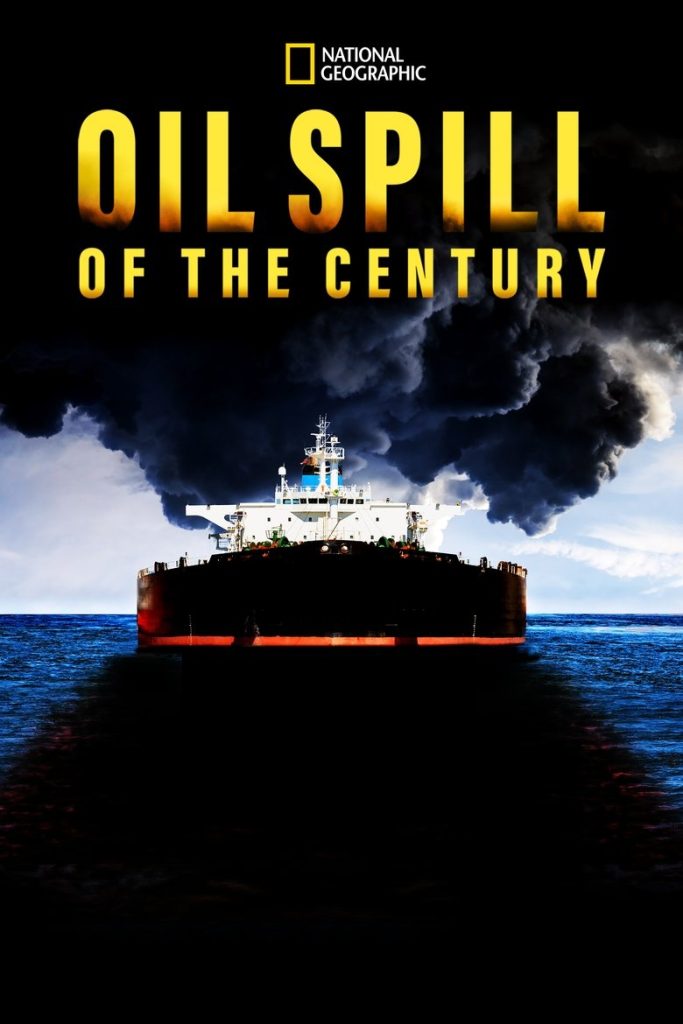
Story overview
This 2018 French documentary examines the 1978 Amoco Cadiz oil spill off the coast of Brittany, France - one of the 20th century's most significant ecological disasters. Through the perspective of sailor Loïck Peyron, the film explores how nature has recovered over forty years and what lessons humanity has learned from this environmental catastrophe.
Parent Guide
Educational documentary about environmental history and recovery, suitable for school-aged children interested in science and nature.
Content breakdown
No violence or peril depicted. The documentary focuses on historical events and scientific analysis rather than dramatic reenactments of the disaster.
May include brief archival footage of oil-covered beaches or affected wildlife, but presented in an educational context without graphic or distressing imagery. The overall tone is hopeful and focused on recovery.
No offensive language. The documentary maintains a professional, educational tone throughout.
No sexual content or nudity present.
No depiction of substance use.
The documentary addresses a serious environmental disaster but maintains a measured, analytical approach. The focus on recovery and lessons learned creates a hopeful rather than distressing emotional tone.
Parent tips
This documentary focuses on environmental recovery and historical reflection rather than graphic disaster footage. It presents scientific and ecological concepts in an accessible way, making it suitable for children interested in nature and science. The tone is educational and hopeful rather than alarmist.
Parent chat guide
Parent follow-up questions
- What do you think happened to the fish when the oil spilled?
- How do you think the ocean got clean again?
- What can we do to help keep the ocean safe?
- Why do you think oil spills are so harmful to ocean life?
- What surprised you about how nature recovered from the spill?
- What are some ways we can prevent oil spills from happening?
- What ecological lessons do you think we learned from the Amoco Cadiz disaster?
- How does this historical event connect to current environmental challenges?
- What role should governments and companies play in preventing similar disasters?
- How effective do you think the response to the Amoco Cadiz spill was compared to modern environmental disasters?
- What systemic changes resulted from this disaster in terms of maritime safety regulations?
- How does this documentary balance scientific facts with emotional storytelling about environmental recovery?
🎭 Story Kernel
At its core, 'Oil Spill of The Century' is less about environmental catastrophe and more about human corrosion. The film follows CEO Marcus Thorne's transformation from ambitious executive to morally bankrupt figurehead, paralleling the spreading oil slick with his own ethical contamination. What drives characters isn't heroism but desperation—the engineer hiding data, the whistleblower calculating personal risk, the PR team spinning tragedy into opportunity. The real tension emerges not from containing the spill but from watching people contain their complicity, asking whether some stains are permanent.
🎬 Visual Aesthetics
The film employs a deliberate visual dichotomy: sterile corporate boardrooms washed in cold blues versus the warm, viscous blacks of the spreading oil. Cinematographer Elena Voss uses handheld shots during crisis moments, creating visceral unease, while static wide shots emphasize human insignificance against environmental devastation. Most striking is how oil itself becomes a visual character—glistening, almost beautiful in its destructive spread, reflecting distorted images of cleanup crews like funhouse mirrors. The final aerial shot, pulling back to show the oil slick forming a perfect corporate logo shape, delivers the film's most chilling visual metaphor.
🔍 Details & Easter Eggs
💡 Behind the Scenes
Director Sofia Chen insisted on using biodegradable black dye in actual ocean footage rather than CGI for the spill sequences, creating both production headaches and hauntingly realistic visuals. Lead actor Julian Rhodes spent two weeks shadowing oil executives, later admitting he 'unlearned more about human nature than learned.' The controversial boardroom scenes were shot in an actual decommissioned oil company headquarters, with crew noting eerie corporate artifacts left behind. Environmental consultants on set reportedly walked out during the 'cost-benefit analysis' scene, calling it 'too authentic.'
Where to watch
Choose region:
- Disney Plus