
Oldboy (2003)
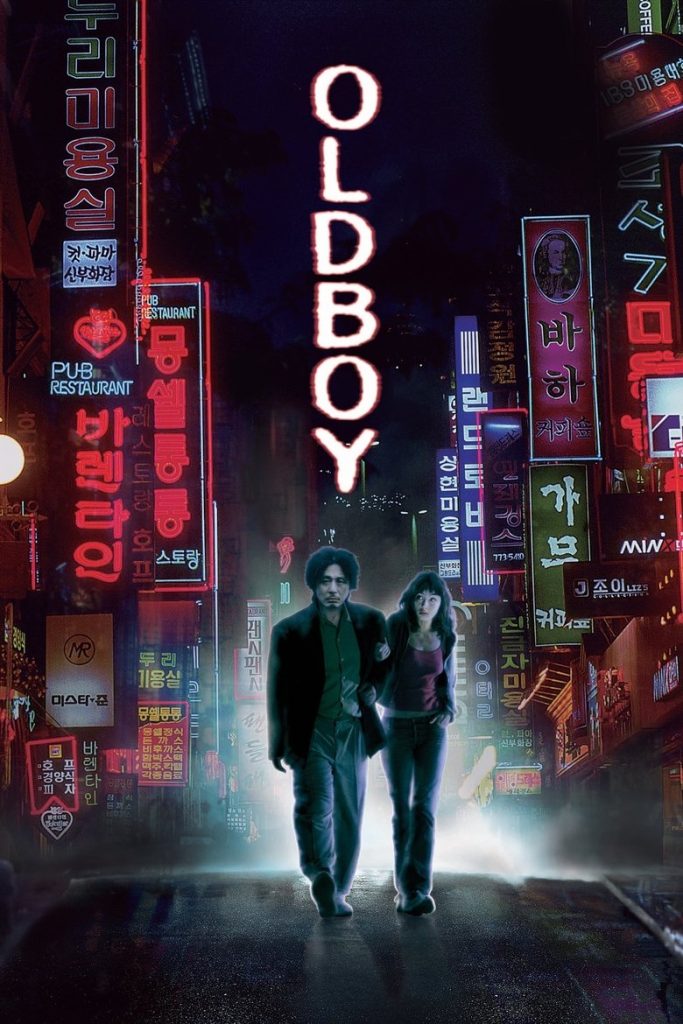
Story overview
Oldboy is a South Korean psychological thriller about a man who is mysteriously imprisoned for 15 years without explanation. After his release, he embarks on a quest for revenge against his captors while trying to uncover the truth behind his ordeal. The film explores themes of obsession, vengeance, and the psychological impact of prolonged trauma through a dark and intense narrative.
Parent Guide
Extremely mature film with graphic violence, psychological intensity, and adult themes. Only suitable for mature viewers 18+.
Content breakdown
Graphic and brutal violence including extended fight scenes, torture, and intense physical confrontations. Characters experience extreme peril and physical harm.
Psychological manipulation, themes of imprisonment and revenge, and disturbing situations that could be deeply unsettling. The film maintains a consistently dark and intense atmosphere.
Strong language used throughout, including profanity in emotional or violent contexts.
Brief sexual content and references to sexual situations within the context of the story's mature themes.
Depictions of alcohol consumption and references to drug use as part of character development and plot elements.
Consistently high emotional intensity with themes of trauma, revenge, and psychological suffering. The film explores dark emotional territory throughout.
Parent tips
This film contains extremely strong violence, disturbing psychological themes, and mature content that makes it unsuitable for viewers under 18. The R rating reflects graphic violence including brutal fight scenes, torture, and intense peril. The psychological elements involve manipulation, revenge, and traumatic situations that could be deeply unsettling for younger viewers.
Parents should be aware that this film includes strong language, brief sexual content, and themes of substance use. The emotional intensity is consistently high throughout, with a dark tone that explores complex moral questions about vengeance and justice. This is not a film for casual viewing and requires mature emotional processing.
Parent chat guide
After watching, focus conversations on the film's exploration of revenge versus justice, and how trauma affects characters' decisions. Discuss the psychological aspects rather than the graphic violence. Ask how the film made them feel and what they think about the characters' choices.
Help process the film's darker themes by discussing real-world alternatives to revenge and the importance of mental health support after traumatic experiences.
Parent follow-up questions
- This movie is not appropriate for young children. What fun activity would you like to do instead?
- Let's talk about your favorite happy movie instead.
- What makes you feel safe and happy?
- Who are your favorite friendly characters in movies?
- What games make you laugh and have fun?
- This movie is too grown-up for your age. What adventure story would you prefer?
- How do characters in your favorite shows solve problems without fighting?
- What makes a good friend in the movies you watch?
- How do happy endings make you feel?
- What are some positive ways to handle feeling angry?
- This movie is for much older viewers. What age-appropriate mystery would interest you?
- How do movies show characters dealing with difficult situations?
- What's the difference between revenge and justice in stories?
- How can characters grow from challenges they face?
- What makes a story exciting without being too scary?
- What did you think about the film's exploration of revenge?
- How did the characters' trauma affect their decisions?
- What moral questions did the film raise for you?
- How does this film compare to other thrillers you've seen?
- What aspects of the story made you think about justice differently?
🎭 Story Kernel
At its core, 'Oldboy' explores the cyclical, self-perpetuating nature of revenge and the horrifying malleability of identity. It's not merely about Oh Dae-su's quest for vengeance, but about how trauma can be weaponized to reshape a person into their own worst enemy. The driving force isn't justice, but a meticulously engineered psychological deconstruction. Lee Woo-jin's motivation reveals the true horror: revenge isn't about inflicting pain, but about orchestrating a fate worse than death—forcing the perpetrator to become an unwitting architect of his ultimate damnation. The film posits that some truths are cages more confining than any physical cell.
🎬 Visual Aesthetics
Park Chan-wook's direction is a masterclass in controlled, claustrophobic framing and brutalist elegance. The infamous hallway hammer fight is a single, relentless tracking shot that immerses us in Dae-su's desperate, exhausted fury. The color palette often leans into sickly greens and muted tones, reflecting the psychological decay. Visual symmetry is frequently used, then violently broken, mirroring the orderly revenge plot's collapse into chaos. The use of extreme close-ups on eyes, mouths, and hands fetishizes the physicality of suffering and revelation, making the visceral feel inescapable.
🔍 Details & Easter Eggs
💡 Behind the Scenes
Choi Min-sik, who plays Oh Dae-su, actually ate four live octopi for the famous scene, performing it in one take. The production used smaller, safer octopi for rehearsal, but the final takes featured larger ones. The iconic hallway fight scene was meticulously choreographed and shot in three days, requiring 17 takes to achieve the perfect single tracking shot. Actor Yoo Ji-tae (Lee Woo-jin) reportedly lost a significant amount of weight to achieve his character's gaunt, consumptive appearance, embodying a man physically wasting away from his obsession.
Where to watch
Choose region:
- Amazon Video
- Apple TV
- Google Play Movies
- YouTube
- Fandango At Home
- Kanopy
Trailer
Trailer playback is unavailable in your region.