
On My Skin (2018)
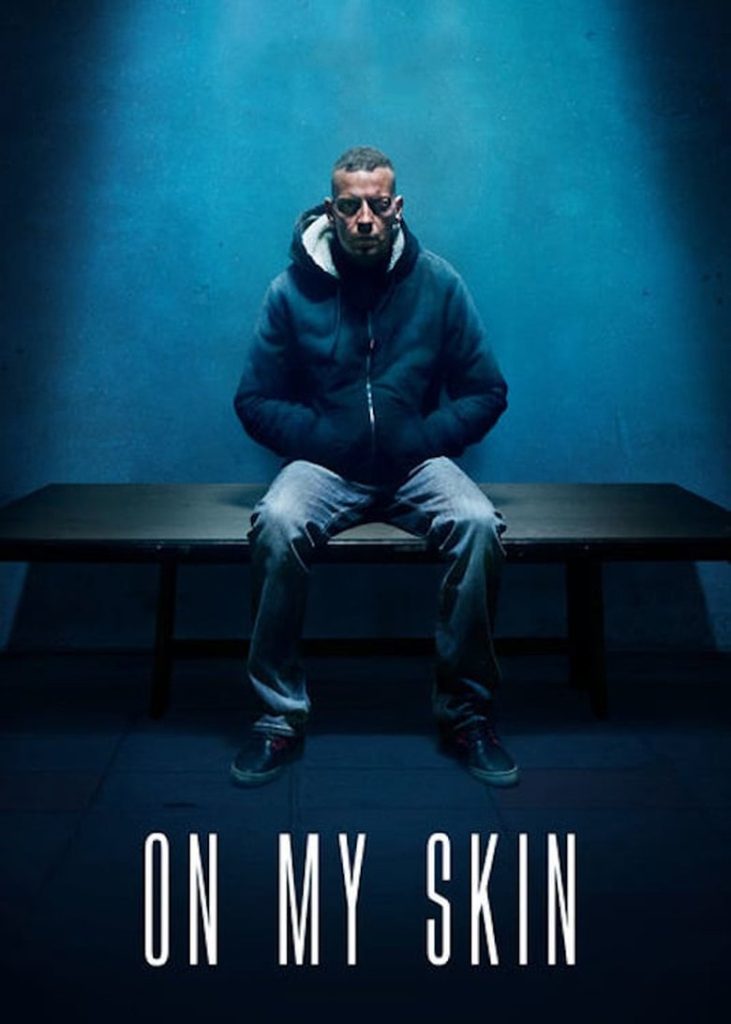
Story overview
On My Skin is a 2018 Italian drama film based on a true story. It follows the final days of Stefano Cucchi, a young man who died in custody after being arrested for minor drug possession. The film explores themes of injustice, institutional failure, and human rights through a personal lens. It presents a sobering look at how systems can fail individuals in vulnerable situations.
Parent Guide
A serious drama based on real events involving death in custody and institutional failure. Best for mature teens and adults due to intense themes.
Content breakdown
Implied violence and psychological distress rather than graphic depictions. Themes of police brutality and institutional neglect.
Disturbing themes of injustice, helplessness, and death. Psychological intensity from real-life tragedy.
May contain some strong language consistent with dramatic tension and realistic dialogue.
No sexual content or nudity based on available information.
References to minor drug possession as part of the plot setup.
High emotional intensity due to real-life tragedy, family grief, and themes of injustice.
Parent tips
This film deals with mature themes including police brutality, institutional corruption, and death in custody. The TV-MA rating indicates it's intended for mature audiences due to its intense subject matter. Parents should be aware that while the film doesn't contain graphic violence, it depicts psychological distress and systemic injustice that may be disturbing to younger viewers.
Consider your child's sensitivity to themes of injustice and authority figures before viewing. The film's emotional intensity comes from its real-life basis and portrayal of a family's struggle for truth. It may prompt important conversations about civil rights and accountability, but requires emotional maturity to process.
Given the serious nature of the content, this film is best suited for older teens and adults who can contextualize the social commentary. Younger viewers might find the themes of powerlessness and institutional failure particularly distressing without proper guidance.
Parent chat guide
Help viewers separate the film's critique of specific institutions from blanket judgments about all authority figures. Discuss the importance of due process, transparency, and accountability in any system. Consider connecting the themes to current events or historical examples of institutional reform.
For family viewing, prepare to address feelings of anger or helplessness the film may evoke. Discuss healthy ways to respond to injustice, from awareness to advocacy. Remember that the film's power comes from its restraint - the horror is in what's implied rather than explicitly shown.
Parent follow-up questions
- What do police officers do to help people?
- How do families take care of each other?
- What does it mean to be fair to everyone?
- Who can we ask for help when we need it?
- What makes someone a good friend?
- Why is it important for everyone to be treated fairly?
- What should someone do if they see something unfair happening?
- How can systems like hospitals or police be made better?
- What does 'telling the truth' mean even when it's hard?
- How do families support each other during difficult times?
- What responsibilities do institutions have toward the people they serve?
- How can personal biases affect how people in authority make decisions?
- What are some ways citizens can hold institutions accountable?
- Why might someone be afraid to speak up about injustice?
- How does this film show the importance of perseverance?
- What systemic factors might contribute to situations like the one depicted?
- How does this film use restraint in storytelling to emphasize its themes?
- What role does media attention play in cases of institutional failure?
- How can societies balance authority with accountability?
- What ethical responsibilities do filmmakers have when depicting real tragedies?
🎭 Story Kernel
At its core, 'On My Skin' is a chilling study of systemic dehumanization, not through overt malice but through bureaucratic indifference. The film explores how Stefano Cucchi's identity is systematically erased by the very institutions meant to protect him—first as a citizen, then as a patient, finally as a human being. The driving force isn't villainous intent but a cascade of procedural failures, willful blindness, and the normalization of suffering within rigid systems. Each character operates within their narrow role, creating a collective tragedy where accountability dissolves into paperwork and shifting blame. The real horror emerges from how ordinary people, following standard protocols, can produce extraordinary cruelty.
🎬 Visual Aesthetics
The film employs a stark, naturalistic visual language that mirrors its thematic bleakness. Director Alessio Cremonini uses tight, claustrophobic framing in prison scenes, emphasizing Stefano's isolation and the system's suffocating control. The color palette shifts from warm, domestic tones in early scenes to institutional grays and sickly greens as Stefano's health deteriorates. Handheld camerawork creates visceral intimacy during violent moments, while static shots during bureaucratic exchanges highlight emotional detachment. Symbolically, the recurring motif of barred windows and locked doors visualizes entrapment, while medical equipment becomes instruments of neglect rather than care.
🔍 Details & Easter Eggs
💡 Behind the Scenes
The film is based on the true story of Stefano Cucchi, whose death in 2009 sparked major reforms in Italy's prison and judicial systems. Actor Alessandro Borghi lost 20 pounds to portray Stefano's physical deterioration and spent time with the real Cucchi family to understand their perspective. Director Alessio Cremonini consulted extensively with forensic experts to accurately depict Stefano's injuries and medical decline. The prison scenes were shot in actual decommissioned facilities to maintain authenticity, with former inmates serving as consultants on daily routines and atmosphere.
Where to watch
Choose region:
- Netflix
- Netflix Standard with Ads
Trailer
Trailer playback is unavailable in your region.