
On the Waterfront (1954)
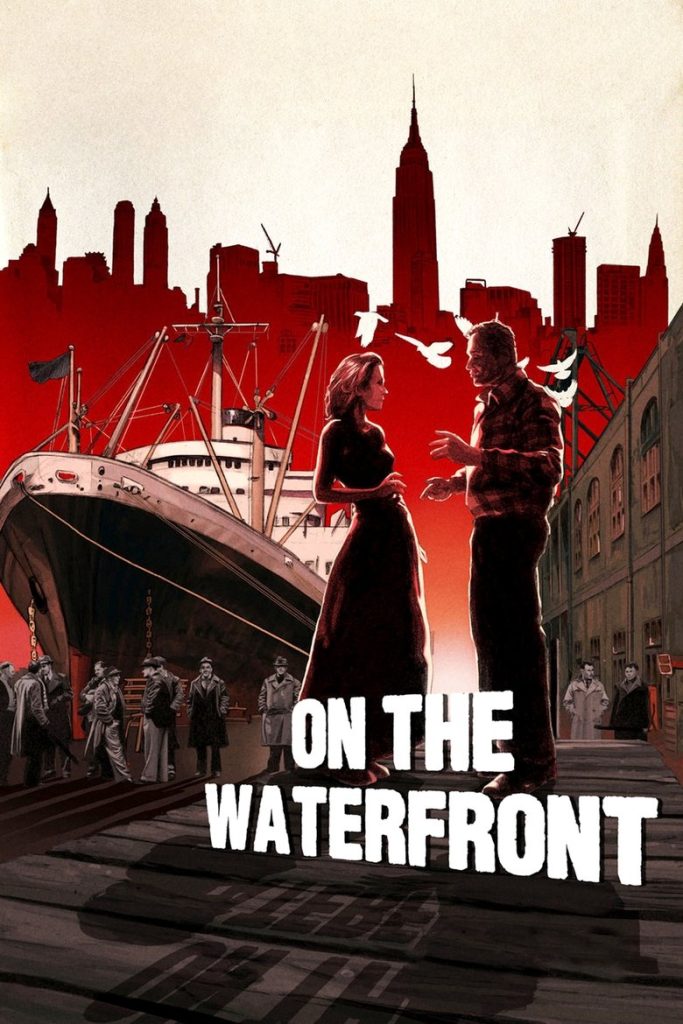
Story overview
On the Waterfront is a classic drama about a former boxer who now works as a dockworker. He faces a moral dilemma when he witnesses corruption and violence within his labor union. The film explores themes of conscience, courage, and standing up against wrongdoing, even when it means going against powerful figures.
Parent Guide
A classic drama about moral courage and corruption with moderate emotional intensity and some violent situations. Best for mature pre-teens and teenagers who can handle complex ethical themes.
Content breakdown
Includes scenes of physical confrontations, intimidation, and peril. There are fights, threats, and one character is killed off-screen. The violence is not graphic but creates tension.
Some tense and suspenseful moments involving threats and moral dilemmas. The atmosphere of corruption and intimidation might be unsettling for sensitive viewers.
Period-appropriate language with some mild expressions. No strong profanity by modern standards.
No sexual content or nudity. There's a developing romantic relationship portrayed respectfully.
Some social drinking in bar scenes, typical of the time period. No excessive or glorified substance use.
High emotional stakes as characters face moral dilemmas and consequences. Themes of betrayal, conscience, and courage create significant dramatic tension.
Parent tips
This film deals with mature themes of corruption, violence, and moral choices within a labor union setting. While there's no graphic content, the tension and emotional intensity may be challenging for younger viewers. The story centers on ethical decisions and the consequences of speaking out against injustice.
Parents should be aware that the film includes scenes of peril, intimidation, and some physical confrontations. The emotional weight comes from characters facing difficult choices rather than explicit violence. The film's black-and-white cinematography and 1950s setting might require some context for modern children.
Consider the maturity level of your child, as the film explores complex moral questions about loyalty, conscience, and standing up to corruption. The themes of workplace exploitation and organized crime elements are presented in a serious, dramatic context.
Parent chat guide
During the film, pause if needed to check in about how certain scenes make your child feel. The tension builds gradually, so you might ask questions like 'How do you think the main character is feeling right now?' or 'What would you do in this situation?' This helps children process the moral dilemmas presented.
After watching, discuss the film's themes of courage and integrity. Ask what lessons they took from the story and how it relates to situations they might encounter. Talk about the difference between loyalty to friends and doing what's morally right. You could also discuss how films can help us think about real-world issues.
Parent follow-up questions
- What did you like about the movie?
- How did the music make you feel?
- What colors did you see in the movie?
- Was there a part that made you happy or sad?
- What was your favorite part?
- What was the main problem in the story?
- Why was it hard for the main character to tell the truth?
- What does 'doing the right thing' mean to you?
- How did the characters show they were friends?
- What would you do if you saw someone being treated unfairly?
- What moral choices did the characters face?
- Why do you think some people stayed silent about the corruption?
- How does peer pressure affect decision-making?
- What does courage look like in everyday life?
- How can one person make a difference against unfair systems?
- How does the film explore the tension between individual conscience and group loyalty?
- What contemporary parallels can you draw to the film's themes of corruption and whistleblowing?
- How does the film's historical context influence its portrayal of labor issues?
- What different forms of courage are shown in the film?
- How do power dynamics affect characters' choices throughout the story?
🎭 Story Kernel
At its core, 'On the Waterfront' is about the brutal calculus of complicity versus conscience. Terry Malloy isn't driven by abstract morality but by the slow, painful realization that his silence has cost him everything of value—his brother, his dignity, his chance at love. The film argues that redemption isn't found in grand gestures but in the terrifying, isolating act of speaking a simple truth against a system that rewards loyalty with violence. The waterfront isn't just a workplace; it's a feudal state where fear is the currency and brotherhood is a weapon used against the very men who swear by it.
🎬 Visual Aesthetics
Elia Kazan and cinematographer Boris Kaufman craft a world of grimy, tactile realism. The camera doesn't just observe; it presses in on faces slick with sweat and guilt, using extreme close-ups to make confession feel claustrophobic. The color palette is all industrial grays, muddy browns, and the stark white of pigeon wings—symbols of Terry's lost innocence. The famous taxi scene is a masterpiece of confined anguish, the tight frame forcing the emotional violence between the brothers into unbearable focus. The climactic walk to the docks isn't shot as a hero's march but as a staggering, bloodied pilgrimage.
🔍 Details & Easter Eggs
💡 Behind the Scenes
Marlon Brando's iconic 'I coulda been a contender' monologue was largely improvised; Rod Steiger's tear was a genuine reaction to Brando's raw performance. The film was shot on location in Hoboken, using actual longshoremen as extras, which lent the violence and desperation an unsettling authenticity. Karl Malden, playing Father Barry, insisted on performing the scene where he's pelted with real rotten fruit and debris. The screenplay was heavily influenced by real-life whistleblower accounts from the New York docks, and Brando based Terry's distinctive vocal cadence and physicality on a former boxer he observed around the waterfront.
Where to watch
Choose region:
- Amazon Video
- Apple TV
- Google Play Movies
- YouTube
- Fandango At Home
- Spectrum On Demand
- Tubi TV
Trailer
Trailer playback is unavailable in your region.