
Once Brothers (2010)
Story overview
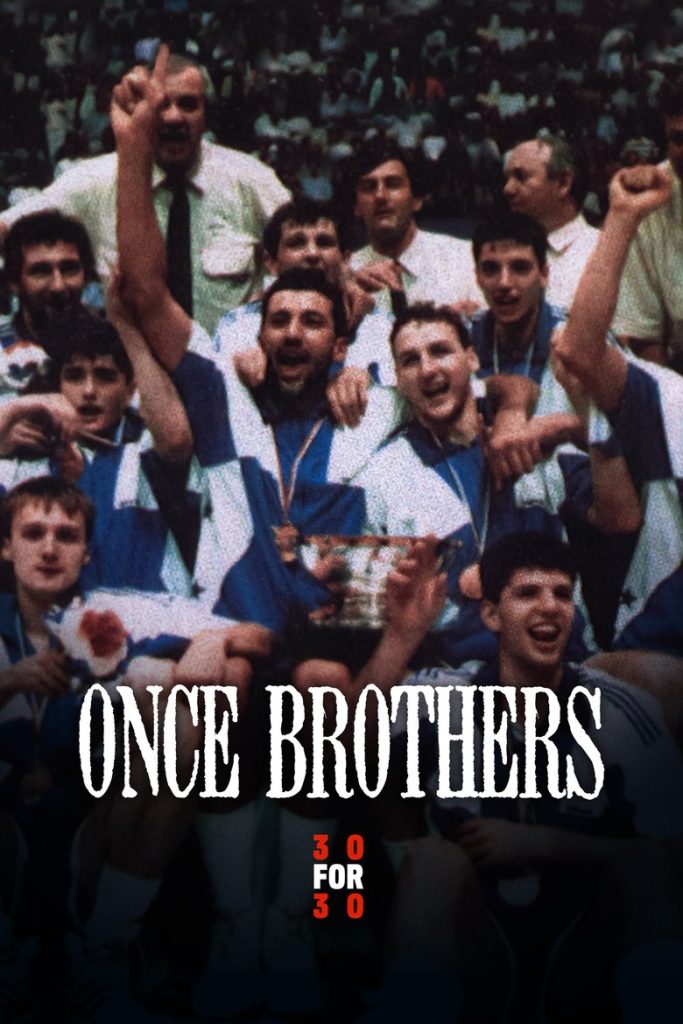
This documentary explores the powerful friendship between basketball stars Dražen Petrović and Vlade Divac, who grew up together in Yugoslavia and achieved NBA success. Their bond was shattered by the ethnic conflicts of the Yugoslav Wars in the early 1990s, which turned their home countries of Croatia and Serbia against each other. The film follows their journey from brotherhood to estrangement, culminating in Petrović's tragic death in a 1993 car accident before they could reconcile.
Parent Guide
A thoughtful documentary about friendship, sports, and the impact of political conflict on personal relationships. While appropriate for most families, the mature themes of war, ethnic tension, and sudden death require parental guidance for younger viewers.
Content breakdown
No graphic violence shown. References to war and ethnic conflict are discussed but not visually depicted. The car accident that kills Petrović is mentioned but not shown.
Themes of war, ethnic conflict, and sudden death may be emotionally challenging. The documentary discusses how a civil war tore apart a friendship and a country.
No offensive language noted. The documentary maintains a respectful tone throughout.
No sexual content or nudity present.
No substance use shown or discussed.
High emotional content dealing with friendship, betrayal, war, grief, and loss. The story of two friends torn apart by political circumstances and the tragedy of unresolved conflict before sudden death creates significant emotional weight.
Parent tips
This documentary deals with mature themes including war, ethnic conflict, loss, and fractured friendships. While there's no graphic violence shown, the emotional weight of the story and discussions of civil war may be intense for younger viewers. The film provides an opportunity to discuss historical events, international relations, and how personal relationships can be affected by larger political conflicts.
Parent chat guide
Parent follow-up questions
—
- What sports do you like to play with your friends?
- How would you feel if you couldn't talk to your best friend anymore?
- What makes someone a good friend?
- Why do you think Vlade and Dražen stopped talking to each other?
- How can sports help people from different backgrounds become friends?
- What does it mean when countries go to war?
- How do you think Vlade felt when he learned about Dražen's accident?
- How do political conflicts affect personal relationships?
- What responsibility do public figures have during times of national conflict?
- How does this documentary show the human cost of war?
- What lessons about reconciliation can we learn from this story?
- How does sports diplomacy work in real-world conflicts?
🎭 Story Kernel
At its core, 'Once Brothers' explores how nationalism and political conflict can fracture even the strongest personal bonds. The film follows the friendship between Vlade Divac and Dražen Petrović, two Yugoslav basketball stars whose relationship disintegrates as their homeland collapses into war. It's driven by Divac's guilt and grief over Petrović's tragic death, examining how external forces—ethnic tensions, media manipulation, and political rhetoric—can override individual connections. The movie expresses the painful reality that sometimes, history writes endings that personal affection cannot rewrite, leaving survivors to grapple with what was lost.
🎬 Visual Aesthetics
The documentary employs a mix of archival footage and contemporary interviews, using grainy 1990s game tapes to contrast with crisp modern shots of Divac revisiting old haunts. The color palette shifts from vibrant team jerseys and celebratory confetti to somber, muted tones in reflective scenes. Camera work often isolates Divac in frames, emphasizing his solitude, while symbolic imagery—like torn flags and empty courts—reinforces themes of division and absence. The editing juxtaposes joyful basketball moments with newsreels of war, visually underscoring how sports camaraderie was overshadowed by political violence.
🔍 Details & Easter Eggs
💡 Behind the Scenes
The film is part of ESPN's '30 for 30' series, directed by Michael Tolajian. It features real footage from the 1990s Yugoslav national team and interviews conducted in Serbia and Croatia. Vlade Divac participated extensively, providing personal photos and memories. Notably, the production faced challenges accessing some archival materials due to political sensitivities in the region. The soundtrack incorporates traditional Balkan music to enhance the cultural context, blending with the emotional narrative of loss and remembrance.
Where to watch
Choose region:
- Netflix
- Netflix Standard with Ads