
Once Upon a Time in America (1984)
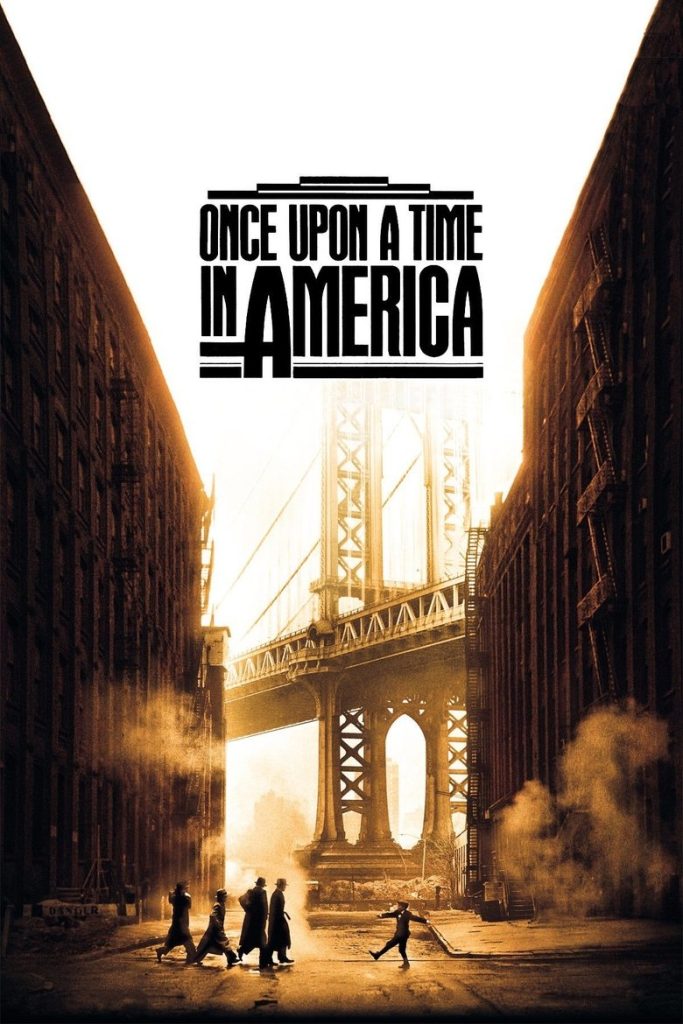
Story overview
This epic crime drama follows a former Jewish gangster who returns to his old neighborhood decades later, reflecting on his past life during the Prohibition era. The film explores themes of memory, regret, friendship, and the consequences of criminal choices through non-linear storytelling. It presents a complex portrait of organized crime and personal redemption across different time periods.
Parent Guide
This R-rated epic crime drama contains strong mature content including graphic violence, sexual assault, explicit sexual content, and substance abuse. Suitable only for mature older teens.
Content breakdown
Graphic gang violence including shootings, beatings, and criminal activities. Scenes show realistic consequences of violence.
Contains a brutal sexual assault scene and other disturbing violent content. Themes of trauma and psychological distress.
Frequent strong profanity including racial slurs and sexual references throughout the film.
Explicit sexual content including a graphic rape scene, nudity, and sexual situations. Not suitable for younger viewers.
Frequent alcohol consumption, drug use including opium, and smoking throughout different time periods.
High emotional intensity dealing with guilt, regret, trauma, betrayal, and the weight of past decisions.
Parent tips
This R-rated film contains strong violence including shootings, beatings, and gangster activities that are graphic and intense. There are disturbing scenes involving sexual assault and explicit sexual content, along with frequent strong language and substance abuse including alcohol and drug use. The nearly 4-hour runtime, complex narrative structure, and mature themes make this unsuitable for younger viewers.
Parents should be aware that the film deals with traumatic events, moral ambiguity, and criminal lifestyles in a serious, unglamorized manner. The emotional intensity is high throughout, with characters facing guilt, betrayal, and the lasting impacts of their actions. This is a film for mature audiences who can handle challenging subject matter.
Consider the individual maturity level of your teen before viewing. The film's length and pacing may also be challenging for some viewers, so breaks might be helpful. Be prepared to discuss the historical context of Prohibition-era organized crime and the film's exploration of memory and regret.
Parent chat guide
During viewing, be available to pause and discuss confusing time jumps or intense scenes. The non-linear storytelling can be challenging, so checking in about what's happening in different time periods can help. If scenes become too intense, consider taking a break.
After viewing, focus discussions on the themes of memory, regret, and how past actions shape our lives. Talk about the characters' choices and their consequences without judgment. Explore how the film portrays friendship, loyalty, and betrayal in criminal environments. Discuss the difference between glamorizing crime versus showing its real consequences.
Parent follow-up questions
- What did you notice about how people dressed in the old days?
- How did the music make you feel during the movie?
- What colors did you see in different parts of the movie?
- Did you see any places that looked like where we live?
- Why do you think the story jumps between different times?
- How do you think the main character felt when he returned to his old neighborhood?
- What did you notice about how friends treated each other in the movie?
- What parts of the story were easy or hard to follow?
- How does the movie show that actions have consequences over time?
- What do you think the film is saying about memory and the past?
- How did the different time periods help tell the story?
- Why do you think the characters made the choices they did?
- How does the film explore themes of regret and redemption?
- What commentary does the movie make about the American Dream and criminal enterprises?
- How does the non-linear narrative structure affect your understanding of the characters?
- What do you think the film is saying about loyalty versus self-preservation?
- How does the movie handle the passage of time and its effects on relationships?
🎭 Story Kernel
At its core, 'Once Upon a Time in America' is a profound meditation on memory, time, and the corrosive nature of regret. It's not truly a gangster film but a tragedy about how we reconstruct our pasts to survive our presents. The characters are driven by a desperate need to justify their betrayals—especially Noodles' lifelong guilt over believing he caused his friends' deaths. The film's non-linear structure mirrors how trauma fractures chronology, revealing that Noodles' entire adult life has been haunted by a single moment of perceived failure. His final opium den escape isn't cowardice but the ultimate act of self-preservation, choosing comforting delusion over unbearable truth.
🎬 Visual Aesthetics
Leone's visual language is operatic yet intimate, using extreme close-ups on aging faces to map lifetimes of regret. The color palette shifts dramatically between eras: the warm, golden nostalgia of 1920s childhood contrasts with the cold, green-tinged corruption of 1968. Notice how violence is often obscured or occurs just off-screen—the milk truck murder, the rape scene—making the aftermath more psychologically devastating than the act. The recurring image of the fatally wounded Max falling into garbage symbolizes how these men's dreams were always destined for the trash heap of history.
🔍 Details & Easter Eggs
💡 Behind the Scenes
Robert De Niro gained 60 pounds to play older Noodles, then lost it for the younger scenes—shot in reverse chronological order. The iconic 'Amapola' melody was composer Ennio Morricone's personal favorite of his career. Studio executives butchered the original 269-minute cut to 139 minutes for U.S. release, rearranging scenes chronologically and destroying Leone's memory-based structure—the director never made another film after this betrayal of his vision.
Where to watch
Choose region:
- Amazon Prime Video
- Criterion Channel
- Amazon Prime Video with Ads
- Amazon Video
- Apple TV
- Google Play Movies
- YouTube
- Fandango At Home
- Plex Channel
Trailer
Trailer playback is unavailable in your region.