
Once Upon a Time in China (1991)
Story overview
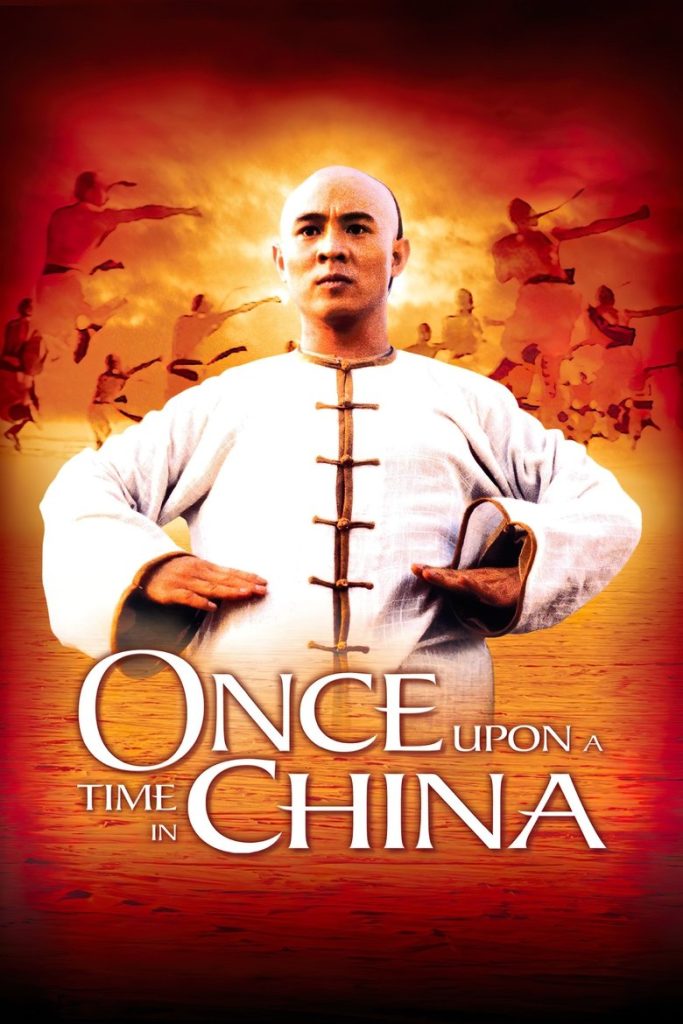
Once Upon a Time in China is a 1991 action-drama film set in late 19th century China. The story follows martial arts master Wong Fei-hung as he navigates conflicts between traditional Chinese values and Western influences during a turbulent period. The film combines historical drama with elaborate martial arts sequences, exploring themes of cultural identity and resistance.
Parent Guide
Martial arts action film with historical drama elements, rated R for violence.
Content breakdown
Extensive martial arts combat with weapons including swords, staffs, and fists. Stylized fight sequences with impacts and injuries shown. Some scenes may involve multiple combatants and perilous situations.
Historical conflict situations and tense confrontations. Some scenes may involve cultural tensions and threats to characters. Martial arts action is stylized but intense.
General dialogue appropriate to historical drama context. No strong profanity noted in typical versions.
No significant sexual content or nudity reported in standard versions.
No notable substance use depicted.
Themes of cultural conflict, loyalty, and historical tension. Martial arts sequences create excitement and tension. Character relationships and national pride themes may evoke emotional responses.
Parent tips
This film features extensive martial arts violence and combat sequences typical of the action genre. The R rating indicates content may be unsuitable for children under 17 without parental guidance. Parents should be aware of the historical context involving colonial conflicts and cultural tensions that form the backdrop of the story.
Parent chat guide
Parent follow-up questions
- What did you think about the fighting in the movie?
- Did any parts make you feel scared or worried?
- What was your favorite part of the movie?
- How did the characters help each other?
- What colors or sounds did you notice most?
- Why do you think the characters were fighting in the movie?
- How did the movie show people from different cultures interacting?
- What makes someone a hero in this story?
- How did the music and sounds make you feel during action scenes?
- What would you do if you saw people having disagreements like in the movie?
- How does the film portray the conflict between tradition and modernization?
- What historical elements did you notice in the movie's setting and costumes?
- How does the movie use martial arts to tell a story beyond just fighting?
- What messages about cultural pride and identity did you take from the film?
- How realistic do you think the action sequences were compared to real martial arts?
- How does the film comment on colonialism and cultural imperialism?
- What cinematic techniques did you notice in the fight choreography and cinematography?
- How does Wong Fei-hung's character represent traditional values in a changing world?
- What historical inaccuracies or artistic liberties might the film have taken?
- How does this film compare to other martial arts movies in terms of themes and execution?
🎭 Story Kernel
At its core, 'Once Upon a Time in China' is about cultural identity under siege. Wong Fei-hung isn't just fighting foreign soldiers and local gangsters—he's battling for the soul of China itself. The film explores how modernization and Western influence threaten traditional values, with Wong representing the careful balance between preserving heritage and adapting to change. His conflicts with both foreign colonizers and opportunistic Chinese figures highlight the internal and external pressures facing 19th century China. The character's famous restraint in using violence speaks to the film's deeper message about wisdom and responsibility.
🎬 Visual Aesthetics
Tsui Hark's visual language combines historical grandeur with kinetic energy. The color palette favors earthy tones and muted reds, grounding the film in period authenticity while allowing fight sequences to explode with sudden bursts of movement. The camera often adopts Wong Fei-hung's perspective—steady, observant, calculating—before erupting into the famous wire-fu sequences that would define Hong Kong action cinema. Notice how traditional Chinese architecture frames many shots, creating visual cages that characters must fight their way out of, mirroring China's geopolitical situation.
🔍 Details & Easter Eggs
💡 Behind the Scenes
Jet Li performed most of his own stunts despite suffering from hepatitis during filming. The famous ladder fight was shot in a single continuous take requiring perfect coordination among dozens of extras. Director Tsui Hark intentionally cast relatively unknown actors for supporting roles to emphasize Wong Fei-hung's isolation as a traditional figure in changing times. The film's success spawned five sequels and established the modern wuxia template that would influence global cinema for decades.
Where to watch
Choose region:
- HBO Max
- HBO Max Amazon Channel
- Criterion Channel
- Shout! Factory TV
- Amazon Video
- Apple TV
- Google Play Movies
- YouTube
- Fandango At Home
Trailer
Trailer playback is unavailable in your region.