
Once Upon a Time in China II (1992)
Story overview
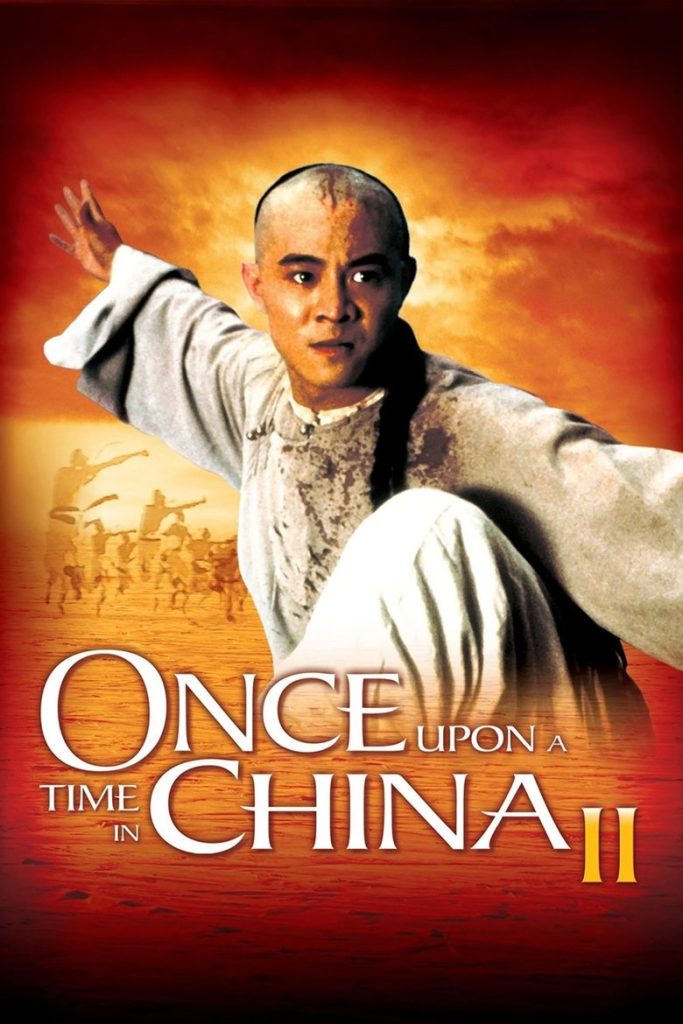
Once Upon a Time in China II is a 1992 action-comedy film that continues the adventures of martial arts master Wong Fei-hung. The movie blends historical elements with fictional storytelling, featuring impressive fight sequences and lighthearted moments typical of the genre. As part of a popular Hong Kong film series, it showcases traditional Chinese martial arts while incorporating comedic elements to balance the action.
Parent Guide
Martial arts action film with comedic elements, rated R for violence. Best suited for teens with parental guidance.
Content breakdown
Stylized martial arts fight sequences with hand-to-hand combat and occasional weapon use. No graphic gore, but moderate intensity throughout.
Some tense moments during fight scenes, but no horror elements or particularly disturbing imagery.
May contain occasional mild language typical of action films of this era.
No sexual content or nudity apparent based on genre conventions.
No substance use depicted based on typical content of martial arts films.
Moderate intensity during action sequences with moments of tension, balanced by comedic relief.
Parent tips
This film contains martial arts action sequences with moderate violence typical of the genre. The R rating suggests content may be unsuitable for younger viewers without parental guidance. Consider previewing the film or watching together with children to discuss the historical context and stylized fight scenes.
Parent chat guide
Parent follow-up questions
- Did you see people doing special movements in the movie?
- What colors did you notice in the costumes?
- How did the music make you feel?
- Did you see any animals in the movie?
- What was your favorite part to watch?
- What did you think about how the characters solved problems?
- How did the movie show people helping each other?
- What did you notice about the different fighting styles?
- How did the funny parts balance the serious parts?
- What did you learn about how people lived in that time period?
- How does the film blend history with entertainment?
- What values do the main characters demonstrate through their actions?
- How does the movie handle conflict between different groups?
- What role does humor play in balancing the action scenes?
- How does the film portray cultural traditions?
- How does this film reflect the time period in which it was made?
- What commentary might the film be making about cultural identity?
- How does the stylized violence serve the storytelling?
- What elements make this both an action film and a comedy?
- How does this sequel compare to other films in the series or genre?
🎭 Story Kernel
At its core, 'Once Upon a Time in China II' explores the tension between cultural preservation and modernization during China's late Qing Dynasty. The White Lotus Sect represents xenophobic traditionalism, while Western missionaries symbolize invasive foreign influence. Wong Fei-hung stands as the moral compass caught between these extremes, fighting not just physical opponents but ideological extremism. His journey questions how to protect national identity without succumbing to either blind conservatism or wholesale Westernization. The film suggests true strength lies in selective adaptation while maintaining core values, a theme painfully relevant to China's historical crossroads.
🎬 Visual Aesthetics
Director Tsui Hark employs a dynamic visual language where camera movements mirror the era's turbulence. The color palette shifts from warm earth tones in traditional settings to cold blues and grays in foreign-controlled areas, visually reinforcing cultural divides. Action sequences are meticulously choreographed to serve narrative—the ladder fight isn't just spectacle but symbolizes Wong Fei-hung's precarious balancing act between competing ideologies. Notice how wide shots during crowd scenes emphasize collective hysteria, while intimate close-ups during philosophical debates highlight individual moral struggles. The film's visual poetry lies in how physical combat becomes metaphor for ideological conflict.
🔍 Details & Easter Eggs
💡 Behind the Scenes
This installment marked Donnie Yen's first collaboration with Jet Li, creating one of cinema's most legendary martial arts rivalries. The iconic ladder fight was choreographed by Yuen Woo-ping and took three weeks to film, with Li performing most stunts himself despite injury risks. Historical accuracy was prioritized—the White Lotus Sect was a real anti-foreign movement, though timelines were compressed for narrative flow. Tsui Hark intentionally cast actors with distinct fighting styles to visually represent different philosophical approaches to China's crisis.
Where to watch
Choose region:
- HBO Max
- Criterion Channel
- Apple TV
- Google Play Movies
- Fandango At Home
Trailer
Trailer playback is unavailable in your region.