
Once Upon a Time in the West (1968)
Story overview
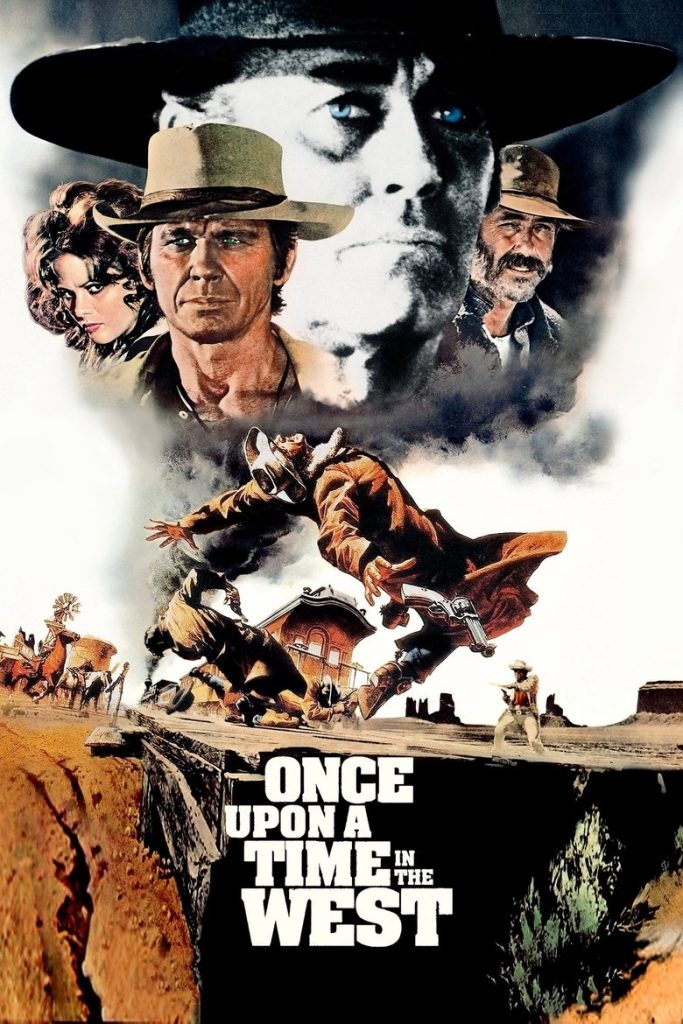
Once Upon a Time in the West is a classic Western film set during the expansion of the railroad in the American frontier. The story follows several characters whose lives intersect in a small desert town, including a mysterious harmonica-playing stranger, a ruthless hired gunman, and a woman seeking a fresh start. The film explores themes of revenge, justice, and the changing landscape of the West as civilization advances.
Parent Guide
A classic Western with stylized violence and complex themes best suited for teens and mature pre-teens.
Content breakdown
Western-style violence including shootouts, fistfights, and some blood, though not excessively graphic. Characters face peril and threats throughout.
Some tense moments and threatening characters, but nothing overly frightening. The atmosphere is more suspenseful than scary.
Occasional mild Western-era language and insults, but no strong modern profanity.
Some suggestive situations and mild romantic tension, but no explicit content or nudity.
Characters drink alcohol in saloon settings, typical of Western genre depictions.
Themes of revenge, loss, and moral ambiguity create emotional weight. Characters experience grief and determination.
Parent tips
This film contains Western-style violence including shootouts, fistfights, and some blood, though it's stylized rather than graphic. The pacing is deliberate with long, atmospheric scenes that may challenge younger viewers' attention spans. The complex plot with multiple characters and motivations is best suited for older children and teens who can follow nuanced storytelling.
Parent chat guide
Parent follow-up questions
- What did you think about the horses in the movie?
- How did the music make you feel?
- What was your favorite part of the desert scenery?
- Did you see any animals in the movie?
- Why do you think the characters carried guns?
- How did the railroad change the town in the story?
- What made some characters good and others not so good?
- How did the characters solve their problems?
- What did you think about how justice was handled in the story?
- How did the setting of the desert affect the story?
- What themes about change and progress did you notice?
- How did the music contribute to the mood of different scenes?
- How does this film portray the myth versus reality of the American West?
- What commentary does the film make about civilization versus wilderness?
- How do the different characters represent different aspects of human nature?
- What did you think about the film's pacing and visual style?
🎭 Story Kernel
At its core, 'Once Upon a Time in the West' is a meditation on the death of the American frontier, driven by the collision of primal myth and industrial progress. Characters are propelled by archetypal forces: Harmonica seeks revenge for a past betrayal that haunts him like a ghost, Frank embodies the ruthless ambition of capitalism personified, and Jill represents the fragile hope of civilization in a lawless land. The railroad's encroachment isn't just a backdrop; it's the engine of the plot, making every conflict a battle over who gets to define the future—whether through blood, money, or memory. The film posits that the West wasn't won but sold, and its heroes are those who settle accounts with the past before it vanishes entirely.
🎬 Visual Aesthetics
Sergio Leone's visual language is operatic in its grandeur, using extreme close-ups on eyes and weathered faces to build unbearable tension, contrasted with sweeping widescreen shots of the barren desert that dwarf human endeavors. The color palette is dominated by dusty browns and searing yellows, evoking the heat and decay of the frontier, while action unfolds with a deliberate, almost balletic pace—gunfights are less about spectacle and more about psychological showdowns, punctuated by Ennio Morricone's haunting score. Symbolism abounds: the creaking windmill at the McBain farm symbolizes the fragility of domesticity, and the recurring image of water represents life and renewal in a parched world, making every frame a painterly essay on myth and mortality.
🔍 Details & Easter Eggs
💡 Behind the Scenes
Henry Fonda, known for playing heroic roles, was cast against type as the cold-blooded villain Frank, a decision that shocked audiences and added layers to his menacing performance. The film was shot primarily in Spain and the U.S., with Monument Valley serving as a iconic backdrop to evoke the mythic West. Ennio Morricone composed the score before filming began, allowing Leone to choreograph scenes to the music, creating a unique synergy where visuals and sound are inextricably linked. Claudia Cardinale's character Jill was originally written with a more passive role, but her performance infused it with resilience, reflecting the film's subtle feminist undertones.
Where to watch
Choose region:
- fuboTV
- MGM+ Amazon Channel
- MGM Plus Roku Premium Channel
- MGM Plus
- Philo
- Amazon Video
- Apple TV
- Google Play Movies
- YouTube
- Fandango At Home
- Spectrum On Demand
Trailer
Trailer playback is unavailable in your region.