
One to One: John & Yoko (2025)
Story overview
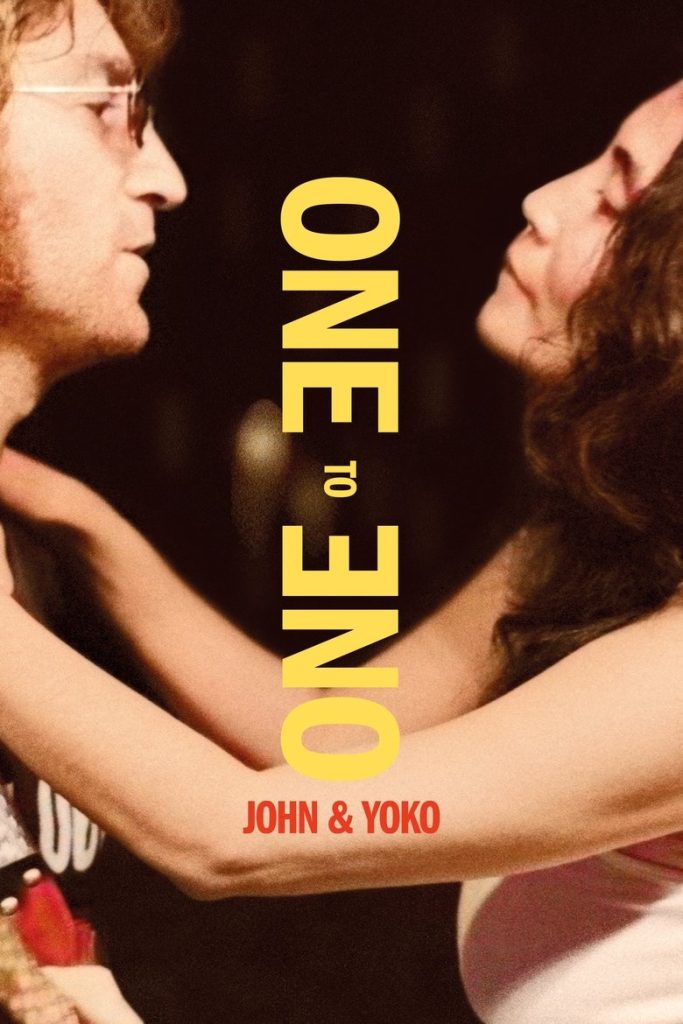
This documentary explores the 18-month period in the early 1970s when John Lennon and Yoko Ono lived in New York City's Greenwich Village, focusing on their artistic collaboration, political activism, and personal relationship during a transformative time in their lives.
Parent Guide
This documentary about John Lennon and Yoko Ono's time in New York contains mature content including strong language, drug references, and discussions of adult relationships. While historically significant, it's best for mature teens who can contextualize the content.
Content breakdown
No physical violence shown, but there are discussions of political unrest and social conflicts of the era. Some archival footage may show protest scenes.
Some discussions of the pressures of fame and public scrutiny could be unsettling. References to political tensions of the early 1970s.
Contains strong language including f-words and other profanity typical of the era and context. Language reflects the counterculture movement of the time.
Some discussions of adult relationships and sexuality. No explicit sexual content or nudity shown, but mature themes about marriage and partnership are present.
Discussions and references to drug use common in the counterculture movement of the early 1970s. May include references to marijuana and other substances.
Explores the intensity of John and Yoko's creative partnership and the pressures they faced. Some emotionally charged discussions about art, politics, and personal relationships.
Parent tips
This R-rated documentary contains strong language, discussions of drug use, and mature themes. It's best suited for mature teens who can understand historical context and complex relationships. Watch together to discuss the artistic and social impact of these cultural figures.
Parent chat guide
Parent follow-up questions
—
—
- What did you learn about John Lennon and Yoko Ono?
- Why do you think they wanted to make art and music together?
- What does 'activism' mean based on what you saw in the film?
- How did John and Yoko use their fame to promote social causes?
- What challenges did they face as a couple in the public eye?
- How did their time in New York influence their art and activism?
- What historical events from the early 1970s were referenced in the film?
🎭 Story Kernel
The film functions as a temporal capsule, meticulously reconstructing 1972—a pivotal year where John Lennon and Yoko Ono attempted to shed the skin of pop royalty to become radical New York citizens. It centers on the "One to One" benefit concerts at Madison Square Garden, but the true narrative arc is the couple’s immersion into the American counterculture. By highlighting their relationship with activists like Jerry Rubin and their struggle against the Nixon administration's deportation efforts, Macdonald illustrates a desperate quest for authenticity. The movie expresses the friction between Lennon’s global celebrity and his desire for grassroots impact, portraying a man trying to navigate the transition from a "Beatle" to a revolutionary. It is a study of artistic idealism meeting the harsh realities of political surveillance and the logistical chaos of organizing for social change in a fractured America.
🎬 Visual Aesthetics
Macdonald employs a sophisticated collage aesthetic, utilizing meticulously restored 16mm footage and personal home movies that provide an intimate, almost voyeuristic perspective. The visual language mirrors the sensory overload of 1970s Manhattan, frequently using split-screen techniques and rapid-fire montages of contemporary television broadcasts to ground the couple in their specific historical context. The cinematography shifts between the grainy, handheld intimacy of their Greenwich Village apartment and the expansive, multi-camera coverage of the Madison Square Garden performance. This contrast highlights the duality of their lives: the private vulnerability of their partnership versus the public spectacle of their activism. The color grading breathes new life into the archival material, making the era feel immediate rather than nostalgic, while the visual rhythm mimics the restless, jagged energy of Lennon’s experimental "Some Time in New York City" period.
🔍 Details & Easter Eggs
💡 Behind the Scenes
Directed by Academy Award-winner Kevin Macdonald, the documentary was produced with the full cooperation of the Lennon estate, granting unprecedented access to the family’s private archives. Sean Ono Lennon served as a producer, ensuring the restoration of the 1972 concert footage met modern cinematic standards. The film had its world premiere at the 81st Venice International Film Festival in 2024, where it was praised for its immersive sound design, which utilizes Dolby Atmos technology to place the audience directly inside the Madison Square Garden arena. It serves as a definitive visual companion to the era's musical output.
Where to watch
Choose region:
- HBO Max
- HBO Max Amazon Channel
- Amazon Video
- Apple TV Store
- Google Play Movies
- YouTube
- Fandango At Home
- Plex
Trailer
Trailer playback is unavailable in your region.