One Year in a Life of Crime (1989)
Story overview
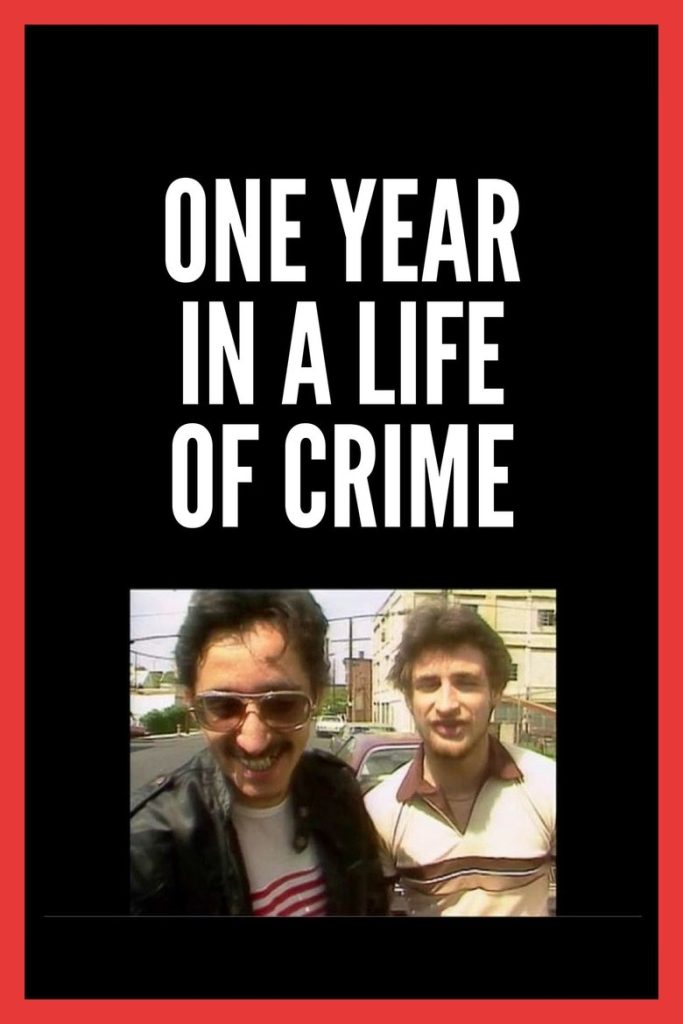
This 1989 documentary follows three professional criminals over a year, using hidden-camera footage to show actual thefts and explore their lives of crime and addiction. It's a gritty, realistic portrayal of petty crime's impact on individuals and society.
Parent Guide
A gritty documentary showing real criminal activity and addiction. Not suitable for children due to mature content and ethical complexity.
Content breakdown
Contains footage of actual thefts being committed, though not violent in nature. Shows criminal activity that could be disturbing.
Real footage of crimes and portrayal of addiction/destructive lifestyles may be disturbing. The documentary's gritty realism creates an unsettling atmosphere.
Likely contains strong language typical of the criminal environment depicted, though specific content isn't rated.
No sexual content or nudity indicated in available information.
Explicitly deals with addiction as a central theme. Likely shows substance use and its consequences.
High emotional intensity due to real-life depiction of destructive lifestyles, addiction, and criminal activity. Creates a heavy, serious atmosphere.
Parent tips
This documentary contains real footage of crimes being committed and deals with mature themes like addiction and criminal lifestyles. It's best suited for older teens and adults who can process its realistic content.
Parent chat guide
Parent follow-up questions
—
—
- What do you think makes someone choose to steal?
- Why do you think the filmmakers used hidden cameras?
- How does the documentary show the relationship between addiction and crime?
- What ethical questions does the hidden-camera footage raise?
- How does this portrayal of crime differ from fictional crime shows?
🎭 Story Kernel
The film's core is not about the glamor of crime, but the crushing banality of failure. It expresses the grim reality of economic desperation as a self-perpetuating cycle. The characters are driven not by ambition or ideology, but by a hollow, day-to-day need to survive a system that offers them no legitimate exit. Their motivations are simple: rent, food, and a fleeting escape from the numbness of their circumstances. The movie's real subject is the absence of a 'big score' or redemption arc; it's the Sisyphean labor of surviving in the margins, where each small transaction only digs the hole deeper. The narrative force is inertia, not momentum.
🎬 Visual Aesthetics
The film employs a stark, vérité aesthetic, using handheld cameras and natural lighting to create an immersive, almost invasive intimacy. The color palette is desaturated, dominated by grays, browns, and the sickly yellow of streetlights and cramped interiors, visually mirroring the characters' drained lives. There is no stylized 'action'; criminal acts are presented as clumsy, tense, and profoundly un-cinematic. The camera often lingers in static shots after a scene's dramatic peak, forcing the viewer to sit in the awkward, anticlimactic silence of the aftermath, which is the film's true subject.
🔍 Details & Easter Eggs
💡 Behind the Scenes
The film is part of a documentary trilogy by director Jon Alpert, who filmed the subjects over several years using a cinema vérité approach. The 'actors' are real people playing versions of themselves, and much of the dialogue was unscripted, captured as events unfolded. This blurring of line between documentary and narrative fiction gives the film its unparalleled sense of grim authenticity. It was shot on location in Newark, New Jersey, utilizing real apartments and streets familiar to the participants, adding a layer of geographical and emotional truth to every frame.
Where to watch
Choose region:
- HBO Max