
Operation Finale (2018)
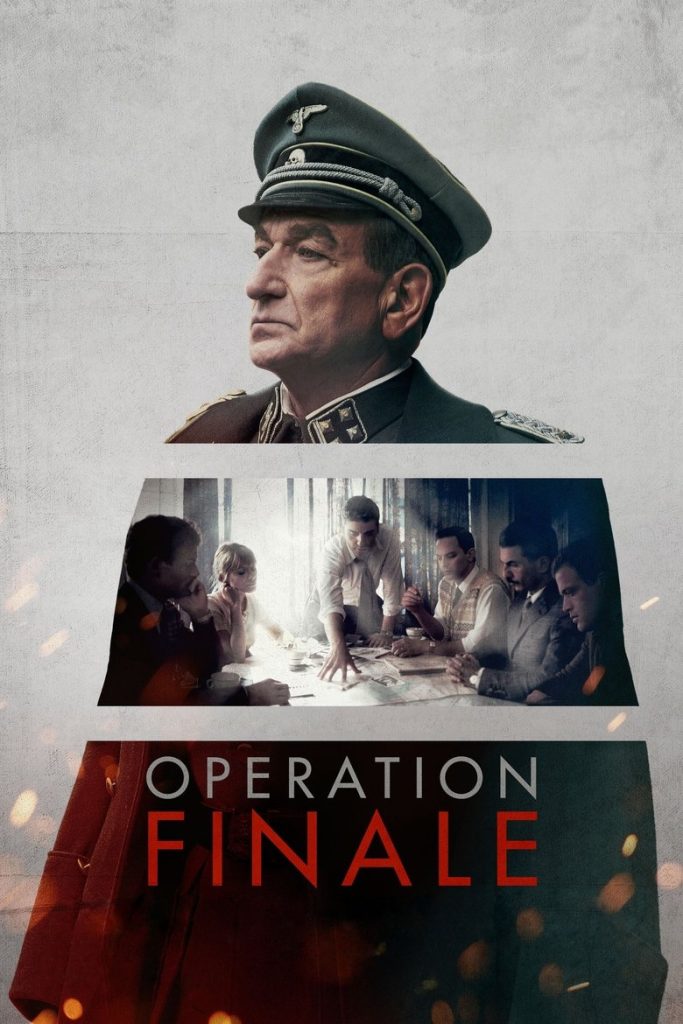
Story overview
Operation Finale is a 2018 historical drama thriller based on true events. It follows a team of Israeli secret agents in 1960 who travel to Argentina to capture Adolf Eichmann, a high-ranking Nazi official responsible for organizing the Holocaust during World War II. The film focuses on their dangerous mission to locate him, apprehend him, and transport him to Israel to stand trial for his crimes against humanity. The story explores themes of justice, morality, and the psychological confrontation between the hunters and their target.
Parent Guide
A tense historical thriller about the capture of a Nazi war criminal, suitable for mature teens with guidance. The film focuses more on psychological tension and moral questions than graphic content, but deals with heavy historical subject matter.
Content breakdown
Some scenes of peril and threat, including a tense kidnapping sequence, characters held at gunpoint, and implied violence. No graphic violence shown, but there are discussions of the Holocaust and its atrocities. Some tense chase scenes and moments of physical restraint.
Disturbing discussions of the Holocaust and genocide. Psychological tension throughout as characters confront the architect of mass murder. Some intense interrogation scenes. Historical photographs and references to concentration camps may be upsetting to sensitive viewers.
Occasional mild profanity (words like 'hell', 'damn'). No strong or frequent swearing.
No sexual content or nudity. Brief romantic subplot involves kissing.
Social drinking in a few scenes, characters shown with cigarettes.
High emotional intensity due to the subject matter. Characters grapple with trauma, anger, and moral complexity. Tense psychological drama between captors and captive. Themes of justice, guilt, and historical responsibility create emotionally charged atmosphere.
Parent tips
This film deals with mature historical subject matter related to the Holocaust and Nazi war crimes. While it's rated PG-13 and doesn't contain graphic violence, it includes intense psychological tension, discussions of genocide, and scenes of peril. Consider your child's sensitivity to historical atrocities and their ability to process complex moral questions. The film could serve as an educational opportunity about World War II history, but requires parental guidance for younger viewers.
Parent chat guide
Parent follow-up questions
—
- What did the bad man do that was wrong?
- Why were the people trying to catch him?
- What does it mean to go to trial?
- Why was Eichmann hiding in Argentina?
- What was the Holocaust and why is it important to remember?
- How did the agents plan their mission?
- What challenges did they face capturing him?
- How does the film portray the psychological dynamics between Eichmann and his captors?
- What ethical dilemmas does the mission present?
- How does the film handle the historical accuracy of these events?
- What contemporary relevance does this story have regarding justice for war crimes?
- How does the film explore themes of trauma and memory?
🎭 Story Kernel
Operation Finale is less about capturing a monster and more about the bureaucratic, psychological, and moral machinery required to bring one to justice. The film's core tension isn't in action set pieces but in the quiet, agonizing process of obtaining a signature—Adolf Eichmann's consent to be extradited to Israel. This transforms the mission from a physical extraction to a psychological siege. The driving force for the Mossad agents, particularly Peter Malkin, becomes a negotiation with the banality of evil itself. They must engage with Eichmann as a man—a father, a bureaucrat—to make him comprehend the weight of his crimes, revealing that the true 'operation' is forcing humanity onto a figure who systematically stripped it from millions.
🎬 Visual Aesthetics
The film employs a muted, desaturated color palette of tans, browns, and greys, mirroring the dusty, tense atmosphere of 1960 Buenos Aires and the grim historical subject matter. Cinematography favors tight close-ups during the psychological duel between Malkin and Eichmann, trapping them—and the audience—in claustrophobic interrogation rooms. Wider shots of bustling Argentine streets or safe houses feel surveilled and uneasy. The action is deliberately un-glamorous; the abduction is tense but messy, emphasizing the real-world fragility of the plan. Visual symbolism is subtle, like the recurring motif of typed documents and passports, representing the fragile legal fiction the team operates under versus the monumental, handwritten evidence of genocide.
🔍 Details & Easter Eggs
💡 Behind the Scenes
Ben Kingsley and Oscar Isaac reportedly spent significant time off-camera discussing their characters' complex dynamic to build authentic tension. The production meticulously recreated 1960s Buenos Aires, filming in Argentina itself, including the actual safe house used by the Mossad team. Director Chris Weitz, known for comedies like 'American Pie,' took a dramatic turn here, drawn to the moral complexity of the story. Kingsley studied historical footage and transcripts of Eichmann's trial to capture his unsettling, detached demeanor.
Where to watch
Choose region:
- Netflix
- Netflix Standard with Ads
- Amazon Video
- Apple TV Store
- Google Play Movies
- YouTube
- Fandango At Home
- Plex
Trailer
Trailer playback is unavailable in your region.