
Operation Varsity Blues: The College Admissions Scandal (2021)
Story overview
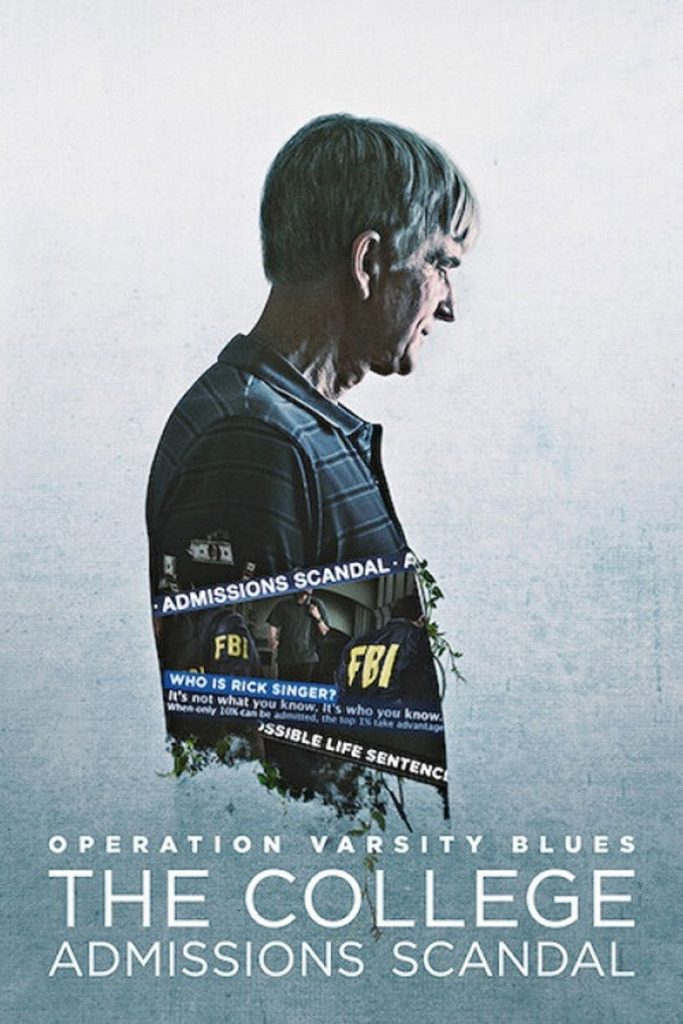
This documentary examines the 2019 college admissions scandal, focusing on Rick Singer's methods of helping wealthy families cheat the system through bribery, fraud, and exploitation of privileges. It explores themes of corruption, entitlement, and systemic inequality in education, presented through reenactments, interviews, and analysis.
Parent Guide
A documentary about real-life fraud and corruption in college admissions, suitable for mature teens with parental guidance for discussion of ethical issues.
Content breakdown
No physical violence, but includes discussion of legal consequences and emotional distress for those involved.
Some viewers may find the systemic corruption and betrayal of trust disturbing. Reenactments of secretive meetings and fraudulent activities create tension.
Occasional mild profanity in interview segments or reenactments. Nothing extreme or frequent.
No sexual content or nudity.
No depiction of substance use.
High emotional intensity around themes of injustice, privilege, and ethical failure. The real-life consequences for students and families add weight.
Parent tips
This documentary deals with mature themes of fraud, corruption, and ethical violations. It's best suited for teens who can understand complex social issues. Parents should be prepared to discuss privilege, fairness, and the consequences of unethical behavior. The reenactments and real-life implications make it more engaging but also more intense than typical documentaries.
Parent chat guide
Parent follow-up questions
—
—
- What does 'cheating' mean in school? Why is it wrong?
- What are some fair ways to get into college?
- How can we make sure everyone has equal chances?
- How does this scandal reflect broader issues of privilege in society?
- What systemic changes could prevent such fraud?
- What responsibilities do wealthy families have in ethical education practices?
- How does media coverage affect public perception of such scandals?
🎭 Story Kernel
The film isn't just about wealthy parents cheating; it's a scalpel dissecting how American meritocracy is a carefully maintained illusion. The real driver isn't parental love, but a pathological fear of downward mobility and the loss of social capital. Rick Singer isn't a villain, but a symptom—a capitalist middleman who monetizes the gap between the myth of equal opportunity and the reality of a rigged system. The film argues that these parents weren't circumventing the system; they were simply using a more direct, and illegal, version of the legacy admissions, donor spots, and privilege that already warp college admissions. The core tragedy is how they corrupted their children's achievements, making every genuine accomplishment forever suspect.
🎬 Visual Aesthetics
The film masterfully uses a hybrid aesthetic. Re-enactments are shot with the glossy, shallow-focus look of a prestige drama, mirroring the curated perfection of the families' lives. This contrasts sharply with the grainy, utilitarian quality of the real FBI wiretap recordings and courtroom footage, representing the cold reality of the law. A recurring visual motif is the use of tight close-ups on phones and laptops—the primary tools of the fraud. The screen becomes a transactional interface, reducing human futures to emails, photoshopped pictures, and wire transfers. The color palette in the re-enactments is often warm and affluent (golden hour lighting, tasteful interiors), visually seducing us into their world before revealing its rotten core.
🔍 Details & Easter Eggs
💡 Behind the Scenes
Actor Matthew Modine, who plays Rick Singer, studied the real Singer's mannerisms from courtroom footage and interviews to deliver a performance that is unsettling in its bland, salesman-like normalcy. The film's re-enactments were shot to precisely match the dialogue from the actual FBI wiretaps, which are played in audio over the scenes. This creates a chilling verisimilitude. The production carefully avoided glamorizing the locations, using houses and offices that felt authentically wealthy but not ostentatious, reinforcing the idea that this was corruption within the 'respectable' upper class, not cartoonish oligarchs.
Where to watch
Choose region:
- Netflix
- Netflix Standard with Ads
Trailer
Trailer playback is unavailable in your region.