
Ordinary Men: The “Forgotten Holocaust” (2022)
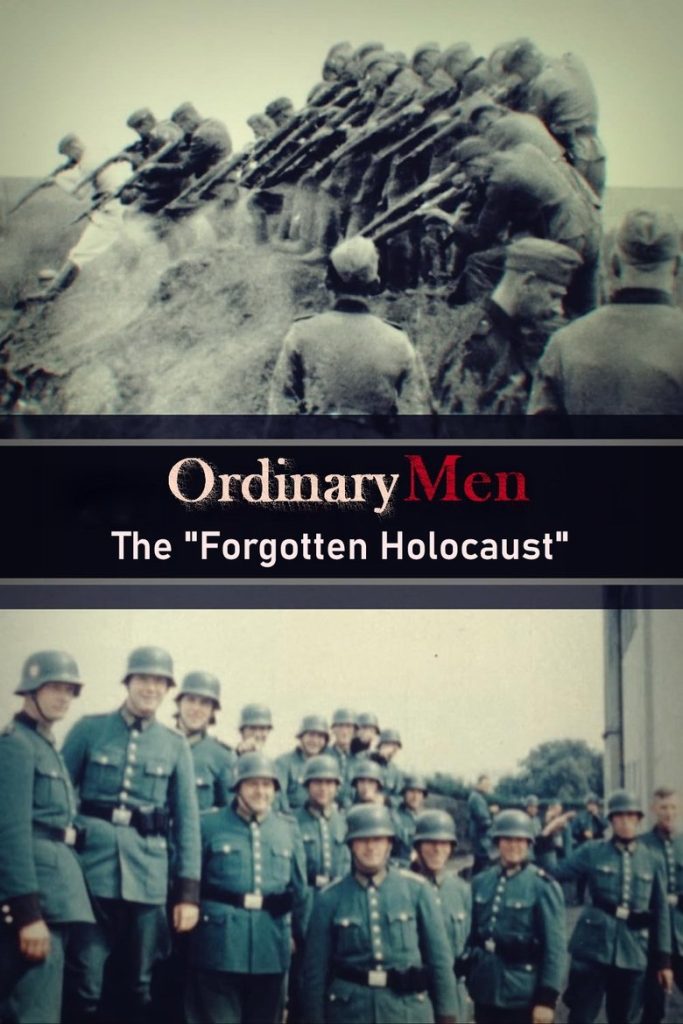
Story overview
This documentary explores the lesser-known aspects of the Holocaust, focusing on the roles and actions of ordinary individuals during this historical period. It examines how regular people became involved in or witnessed the atrocities, providing historical context and analysis. The film aims to deepen understanding of this tragic chapter in human history through archival materials and expert commentary.
Parent Guide
A serious historical documentary about the Holocaust with mature themes. Requires parental guidance for younger viewers.
Content breakdown
Discusses historical violence and atrocities, though likely without graphic imagery. References to systematic persecution and mass violence.
Themes of genocide, persecution, and human suffering may be emotionally challenging. Historical footage and descriptions could be disturbing.
May include historical terminology related to the Holocaust and World War II. No strong profanity expected.
Documentary focus is historical analysis, not sexual content.
Not a focus of this historical documentary.
Deals with heavy historical themes of genocide, moral responsibility, and human suffering. May provoke strong emotional responses.
Parent tips
This documentary deals with mature historical themes related to the Holocaust, including systemic violence and human suffering. Due to the sensitive nature of the content, it's best suited for older children and teenagers who have some background knowledge of World War II history. Parents should be prepared to discuss difficult historical events and provide emotional support if needed.
Parent chat guide
Parent follow-up questions
- What did you see in the pictures?
- Did you hear any words you didn't understand?
- What colors did you notice most in the movie?
- What do you think 'Holocaust' means?
- Why do you think people make movies about history?
- What questions do you have about what we watched?
- What did you learn about how ordinary people were involved in historical events?
- Why is it important to remember difficult history?
- How do documentaries help us understand the past?
- What factors might influence how ordinary people respond during times of crisis?
- How does this documentary challenge or expand your understanding of the Holocaust?
- What responsibilities do we have when learning about historical atrocities?
🎭 Story Kernel
The film's core is a devastating exploration of moral corrosion through administrative compliance. It's not about cartoonish villains, but about the terrifyingly mundane process by which ordinary men become complicit in atrocity. The driving force isn't ideological fervor, but careerism, peer pressure, and the gradual normalization of the unthinkable through incremental steps. Characters are propelled by a desire for promotion, fear of standing out, and the seductive logic of 'just following orders' within a system that methodically dismantles individual conscience. The real horror lies in recognizing how easily we might follow the same path when faced with similar institutional pressures.
🎬 Visual Aesthetics
The visual language is stark, clinical, and deliberately un-cinematic. A muted, desaturated color palette drains the world of vibrancy, mirroring the emotional deadening of the characters. Static, wide shots often frame bureaucrats at their desks, emphasizing the banality of their setting. The camera rarely intrudes with close-ups, maintaining a cold, observational distance that forces viewers to sit with the uncomfortable reality. Key symbolic visuals include the overwhelming piles of paperwork that physically represent the human cost being processed, and the sterile office lighting that casts everything in a harsh, unflattering glare, leaving no room for sentimental shadow.
🔍 Details & Easter Eggs
💡 Behind the Scenes
The film was shot on location in actual 1940s-era government buildings in Central Europe to maximize authenticity. The director insisted actors use period-correct fountain pens and paperweights to inform their physicality. Notably, several lead actors participated in workshops studying the psychology of real-world organizational compliance, like the Milgram experiments, to ground their performances. The sparse, almost non-existent musical score was a deliberate choice to avoid manipulating audience emotion and to let the horror of the mundane actions speak for itself.
Where to watch
Choose region:
- Netflix
- Netflix Standard with Ads
Trailer
Trailer playback is unavailable in your region.