
Oswald the Lucky Rabbit (2022)
Story overview
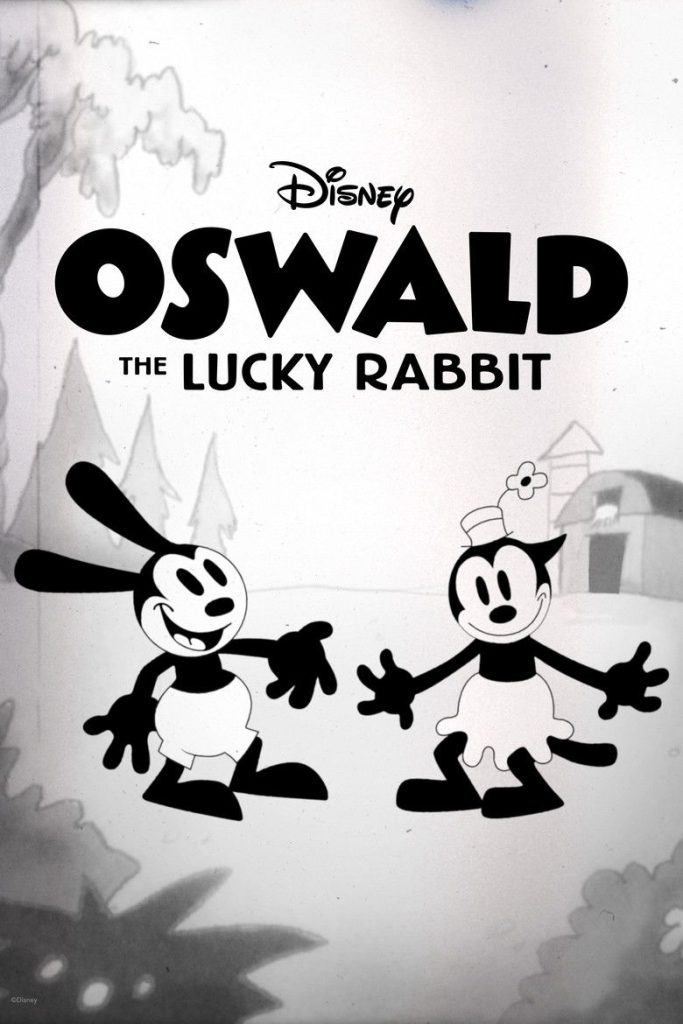
Oswald the Lucky Rabbit is a 2022 animated short film celebrating Disney's 100th anniversary, marking the character's return after nearly a century. This hand-drawn animation follows Oswald in a lighthearted, comedic adventure typical of classic cartoon shorts. At just 2 minutes long, it's a brief, nostalgic tribute to early animation styles, featuring slapstick humor and playful antics without complex plotlines or dialogue.
Parent Guide
Exceptionally safe for all ages. This 2-minute animated short contains only gentle, classic cartoon humor with no concerning elements. Perfect for even the youngest viewers.
Content breakdown
Only classic cartoon slapstick (e.g., exaggerated falls, comedic chases) with no real danger or consequences. Comparable to vintage Looney Tunes or early Disney shorts.
No scary or disturbing content. Bright colors, cheerful animation style, and comedic tone throughout.
No dialogue or written text. Entirely visual storytelling through animation and sound effects.
No sexual content, innuendo, or nudity. Oswald wears his classic cartoon attire.
No references to alcohol, drugs, tobacco, or any substance use.
Consistently lighthearted and cheerful tone. No emotionally intense scenes, conflicts, or sad moments.
Parent tips
This short film is perfectly safe for all ages with no concerning content. At only 2 minutes, it's ideal for very young children with short attention spans. The classic animation style might interest older children learning about animation history. Since it's dialogue-free, it's accessible to non-English speakers or children with hearing differences. Consider pairing it with other classic Disney shorts for a themed viewing session.
Parent chat guide
Parent follow-up questions
- Which part made you laugh the most?
- Can you draw your own lucky rabbit?
- What colors did you see in the cartoon?
- Why do you think Oswald is called 'lucky'?
- How is this animation different from cartoons you watch today?
- What kind of adventure would you like to see Oswald have next?
- What historical significance does Oswald have in animation history?
- How does the hand-drawn style affect the viewing experience compared to digital animation?
- Why do you think Disney brought this character back after 95 years?
- How does this short reflect Disney's corporate history and brand evolution?
- What artistic value do you see in preserving hand-drawn animation techniques?
- How might this tribute fit into broader discussions about animation preservation and nostalgia in media?
🎭 Story Kernel
The film expresses the raw, anarchic spirit of early animation where personality triumphs over plot. Oswald is driven not by narrative goals but by pure, elastic reactivity to his environment—a bouncing ball, a collapsing house, a mischievous cat. This isn't a story about 'what happens,' but about 'what happens next?' in a chain of cause-and-effect gags. The core theme is kinetic joy and resilience; Oswald gets flattened, stretched, and reassembled, yet his cheerful demeanor never breaks. It's a celebration of animation's fundamental principle: that life can be breathed into anything through motion and attitude, with narrative as merely a convenient clothesline for visual jokes.
🎬 Visual Aesthetics
The visual language is defined by rubber-hose animation: characters are pliable, weightless entities whose movements prioritize expressive clarity over physical realism. The black-and-white palette, devoid of grayscale subtlety, creates stark, high-contrast compositions where every action reads instantly. Camera work is static, a proscenium stage that focuses all energy on the characters' frenetic ballet. Symbolism is direct and physical—Oswald's detachable, multi-purpose tail represents utility and adaptability. The action style is pure cause-and-effect chaos; every object has potential energy, leading to a domino effect of gags where the environment itself is the primary antagonist and playground.
🔍 Details & Easter Eggs
💡 Behind the Scenes
Oswald was created by Walt Disney and Ub Iwerks for Universal Pictures in 1927, predating Mickey Mouse. Disney lost the rights to the character in a contract dispute with Universal, which directly inspired the creation of Mickey. The original film reels were considered lost for decades until a copy was discovered in the British Film Institute archives in 2015. Animation was done entirely on paper with ink and paint, requiring thousands of hand-drawn cels for minutes of footage, a testament to the grueling, artisan labor of early cartoon studios.
Where to watch
Choose region:
- Disney Plus
Trailer
Trailer playback is unavailable in your region.