Our Lovers (2016)
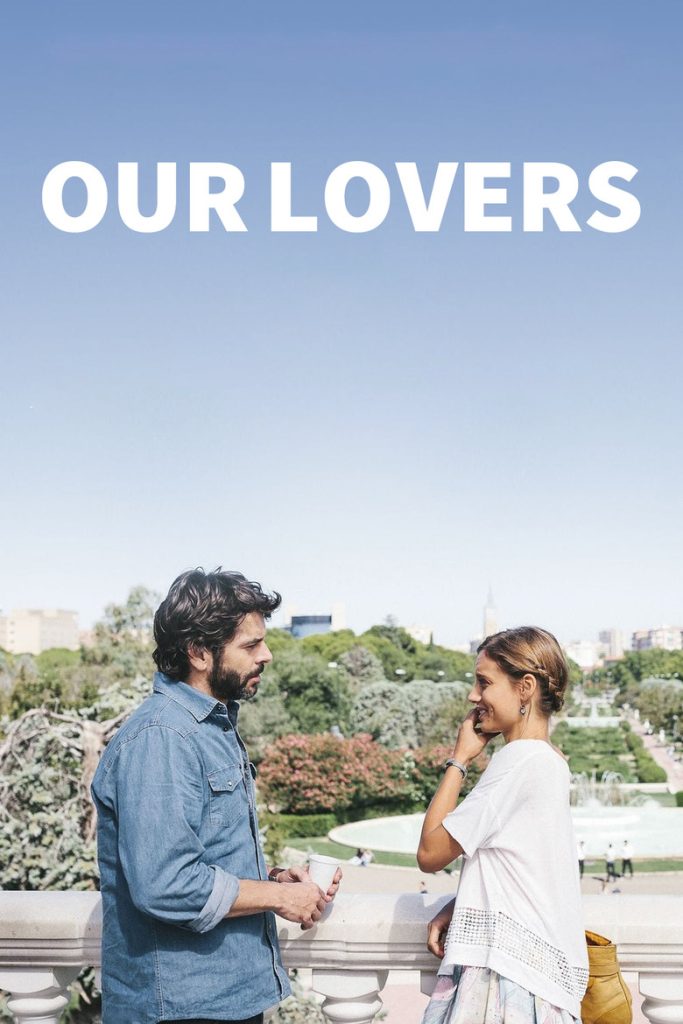
Story overview
Our Lovers is a 2016 drama and romance film that explores the complexities of relationships and emotional connections. The story likely follows characters navigating love, personal growth, and the challenges that come with intimate partnerships. As a drama, it focuses on character development and emotional themes rather than action or fantasy elements.
Parent Guide
A relationship-focused drama that requires emotional maturity to appreciate. Best suited for teenagers who can process complex interpersonal dynamics.
Content breakdown
No violence indicated based on available information
May include emotionally intense scenes about relationship conflicts
Could include mild romantic dialogue; no strong language indicated
Likely includes romantic situations and kissing; no explicit content indicated
No substance use indicated based on available information
Focuses on relationship emotions and personal growth themes
Parent tips
This film deals with adult relationship themes that may be difficult for younger children to understand. Parents should be prepared to discuss healthy relationships, communication, and emotional maturity if watching with older children or teenagers. Since specific content details aren't provided, it's advisable to preview the film or check detailed reviews before viewing with children.
Parent chat guide
Parent follow-up questions
- What did you notice about how the people in the movie talked to each other?
- How did the characters show they cared about someone?
- What was your favorite part of the movie?
- How did the music make you feel?
- What colors did you see in the movie?
- How did the characters solve their problems in the movie?
- What did you learn about how people show love?
- How would you describe the main characters' friendship?
- What emotions did you see the characters feeling?
- What would you do differently if you were in the story?
- What makes a relationship healthy or unhealthy in this film?
- How do the characters communicate when they disagree?
- What responsibilities do people have in relationships?
- How do the characters show emotional maturity?
- What life lessons could someone learn from this story?
- How does this film portray realistic versus idealized relationships?
- What societal expectations about relationships does the film challenge or reinforce?
- How do the characters balance personal needs with relationship commitments?
- What communication strategies were effective or ineffective in the film?
- How does this story relate to modern relationship challenges?
🎭 Story Kernel
The film's core theme is the performative nature of contemporary relationships, exploring how two people construct a 'perfect' romance as a defense mechanism against past traumas. The characters are driven not by genuine connection, but by a shared, unspoken agreement to play roles that shield them from vulnerability. The movie suggests that modern love is often a curated performance for an audience—including ourselves—rather than an authentic merging of souls. The central tension arises from their mutual fear that dismantling this performance will leave them exposed to the very pain they're trying to escape.
🎬 Visual Aesthetics
The cinematography employs a clean, almost sterile aesthetic with a muted color palette dominated by cool blues and grays, visually mirroring the emotional distance between the protagonists. Shots are often symmetrical and framed through windows or doorways, creating a sense of observation and separation. The camera lingers on empty spaces and silent moments, emphasizing what is unsaid. The visual style shifts subtly during rare moments of genuine connection, with warmer tones and handheld shots breaking the composed rigidity, highlighting the contrast between performance and reality.
🔍 Details & Easter Eggs
💡 Behind the Scenes
The film was shot entirely on location in Seoul, South Korea, utilizing natural lighting to enhance its realistic, intimate feel. Lead actors Kim Jae-wook and Jung So-min reportedly rehearsed their scenes extensively in reverse chronological order to better understand their characters' emotional regression. Director Lee Yoon-ki is known for his minimalist style and preference for long takes, which is evident in several key dialogue scenes that play out in single, unbroken shots to maintain emotional continuity.
Where to watch
Choose region:
- Netflix
- Netflix Standard with Ads