
Our Planet: Behind the Scenes (2019)
Story overview
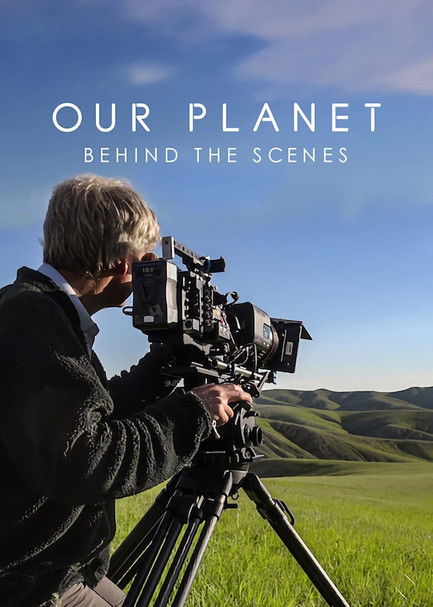
This 2019 documentary provides a behind-the-scenes look at the making of the 'Our Planet' series, showcasing the challenges and dramatic moments faced by filmmakers while capturing wildlife footage across the globe. Narrated by David Attenborough, it offers insights into documentary production and the dedication required to film nature.
Parent Guide
A family-friendly documentary with no concerning content, ideal for educational viewing about nature and filmmaking.
Content breakdown
No violence or peril depicted; focuses on documentary production without harmful scenes.
No scary or disturbing content; scenes are informational and mild, showing filming processes.
No offensive language; narration and dialogue are educational and respectful.
No sexual content or nudity; content is strictly related to wildlife and filmmaking.
No substance use depicted; the documentary focuses on natural and production aspects.
Mild emotional moments may arise from seeing the dedication of filmmakers or wildlife footage, but nothing intense or distressing.
Parent tips
This TV-G rated documentary is educational and suitable for most ages, focusing on filmmaking and wildlife. Parents can discuss the effort behind nature documentaries and the importance of conservation. No concerning content is present, making it a safe choice for family viewing.
Parent chat guide
Parent follow-up questions
- What animal did you like best?
- What did the filmmakers do to take pictures of animals?
- Why do you think it's hard to film animals in the wild?
- What tools did the filmmakers use to make the show?
- How does behind-the-scenes footage change how we view nature documentaries?
- What ethical considerations might filmmakers have when recording wildlife?
- Discuss the role of technology in modern nature filmmaking.
- How does this documentary highlight the challenges of conservation storytelling?
🎭 Story Kernel
The film's true subject isn't wildlife but the paradox of modern conservation filmmaking. It exposes how capturing nature's most intimate moments requires massive technological intrusion—helicopters, drones, and remote cameras that ironically disrupt the very wilderness they're documenting. The driving force isn't animal behavior but human obsession: filmmakers enduring extreme conditions not for discovery, but for the perfect shot that might inspire change. This creates a fascinating tension between conservation message and carbon footprint, asking whether we're protecting nature or just curating its final performance for our screens.
🎬 Visual Aesthetics
The cinematography deliberately contrasts two visual languages: pristine nature footage from the original series (stabilized, vibrant, perfectly composed) with gritty behind-the-scenes footage (shaky cameras, harsh lighting, visible equipment). This duality creates a meta-commentary on documentary truth. The color palette shifts from nature's organic greens and blues to the industrial grays of camera gear and base camps. Most revealing are the wide shots showing camera rigs dwarfing animals—visual proof of the production's scale. The editing often cuts from majestic wildlife scenes to exhausted crew members, connecting beauty with human cost.
🔍 Details & Easter Eggs
💡 Behind the Scenes
The production required 3,500 filming days across 50 countries, but the behind-the-scenes reveals the true scale: over 600 crew members, including specialists who spent years tracking single animal families. Most surprising is the technology—custom-built cameras disguised as rocks and icebergs, and thermal drones that could detect animals miles away. The crew's carbon footprint became such a concern they implemented a 'green filming' policy mid-production, though the documentary honestly shows helicopters still being used extensively for aerial shots.
Where to watch
Choose region:
- Netflix
- Netflix Standard with Ads
Trailer
Trailer playback is unavailable in your region.