
Our Souls at Night (2017)
Story overview
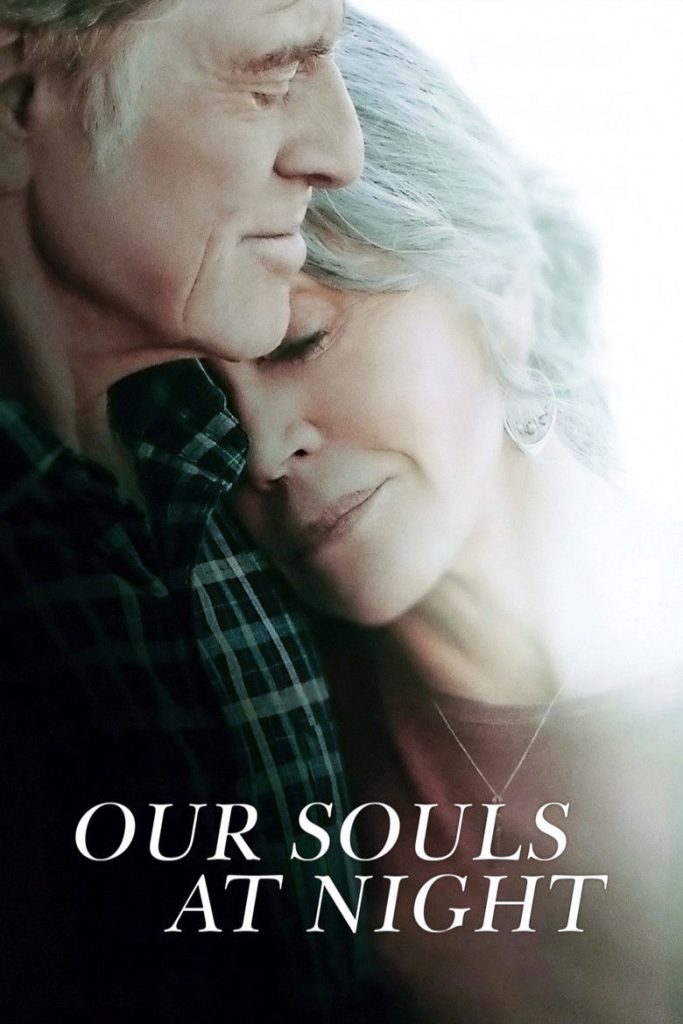
Our Souls at Night is a gentle, character-driven drama about two elderly neighbors, Addie Moore and Louis Waters, who form an unexpected late-life connection. Both widowed and living alone, they begin spending nights together purely for companionship, which gradually deepens into a meaningful relationship. The film explores themes of loneliness, aging, second chances at love, family dynamics, and the courage to embrace happiness later in life. With its quiet pacing and nuanced performances, it focuses on emotional authenticity rather than dramatic plot twists.
Parent Guide
A thoughtful, gentle drama about elderly companionship that's suitable for most families. The TV-14 rating seems conservative given the minimal concerning content.
Content breakdown
No violence, threats, or perilous situations. The most tense moment involves mild family disagreement.
Nothing scary or disturbing. Some emotional discussions about death and loss are handled with sensitivity.
No profanity or strong language. The dialogue is consistently polite and respectful.
One brief scene shows a married couple kissing in bed while clothed (non-explicit). Some conversation about past relationships and intimacy, but presented discreetly and age-appropriately.
No depiction of alcohol, drugs, or smoking. Characters are shown drinking water or tea socially.
Moderate emotional themes involving loneliness, grief, and family tension, but presented gently without heightened drama. Some viewers might find discussions of loss and aging poignant.
Parent tips
This film is appropriate for most families with children ages 8 and up. The TV-14 rating primarily reflects mature themes about adult relationships and aging rather than objectionable content. There's no violence, strong language, or substance use. The most sensitive elements involve emotional discussions about loss and grief, and one brief scene shows a married couple kissing in bed (non-explicit). The film provides excellent opportunities to discuss intergenerational relationships, empathy for elders, and healthy ways to cope with loneliness.
Parent chat guide
Parent follow-up questions
- Did you like the grandpa and grandma in the movie? What nice things did they do together?
- How did the boy in the movie help his grandma feel happy?
- What games did you see people playing in the movie?
- Why do you think Addie was lonely at the beginning? Have you ever felt that way?
- How did Louis become friends with the little boy? What makes a good friend?
- What did you learn about how families can help each other?
- What challenges did Addie and Louis face in their relationship? How did they solve them?
- How does the movie show that it's never too late to make new friends or try new things?
- What different types of love and friendship did you see in the movie?
- How does the film portray aging and societal expectations about elderly relationships?
- What does the movie suggest about the difference between loneliness and being alone?
- How do the family dynamics (with Addie's son) reflect real intergenerational tensions?
🎭 Story Kernel
The film expresses that intimacy in later life isn't about grand romance but the quiet courage to be vulnerable. It's driven by the characters' profound loneliness and their rebellion against the societal expectation that elders should simply endure solitude gracefully. Addie and Louis aren't seeking passion; they're seeking permission to be human—to share fears, regrets, and the simple comfort of another's presence in the dark. Their relationship is a quiet protest against the isolation imposed by age, showing how connection can bloom from practical arrangements that evolve into emotional necessity.
🎬 Visual Aesthetics
The visual language mirrors the characters' emotional thawing. Early scenes use wide shots emphasizing the vast, empty spaces of their separate homes and the quiet streets of their small town, visually reinforcing their isolation. As their relationship deepens, the framing tightens, with more medium shots and close-ups during their nighttime conversations in bed—the camera lingers on faces illuminated by soft lamplight, making their shared space feel intimate and sacred. The color palette is deliberately muted—earthy tones, soft blues, and grays—avoiding romanticized warmth, instead reflecting the realistic, understated nature of their connection.
🔍 Details & Easter Eggs
💡 Behind the Scenes
This was the final film for both Robert Redford and Jane Fonda, marking their fourth on-screen collaboration after nearly 50 years since 'The Chase' (1966). Director Ritesh Batra deliberately cast them against their iconic Hollywood personas—here they're fragile, ordinary, and aged without glamour. The film was shot on location in Florence, Colorado, using real homes to enhance authenticity. Interestingly, the sparse, naturalistic dialogue required extensive rehearsal to achieve the rhythm of two people rediscovering how to talk honestly.
Where to watch
Choose region:
- Netflix
- Netflix Standard with Ads
Trailer
Trailer playback is unavailable in your region.